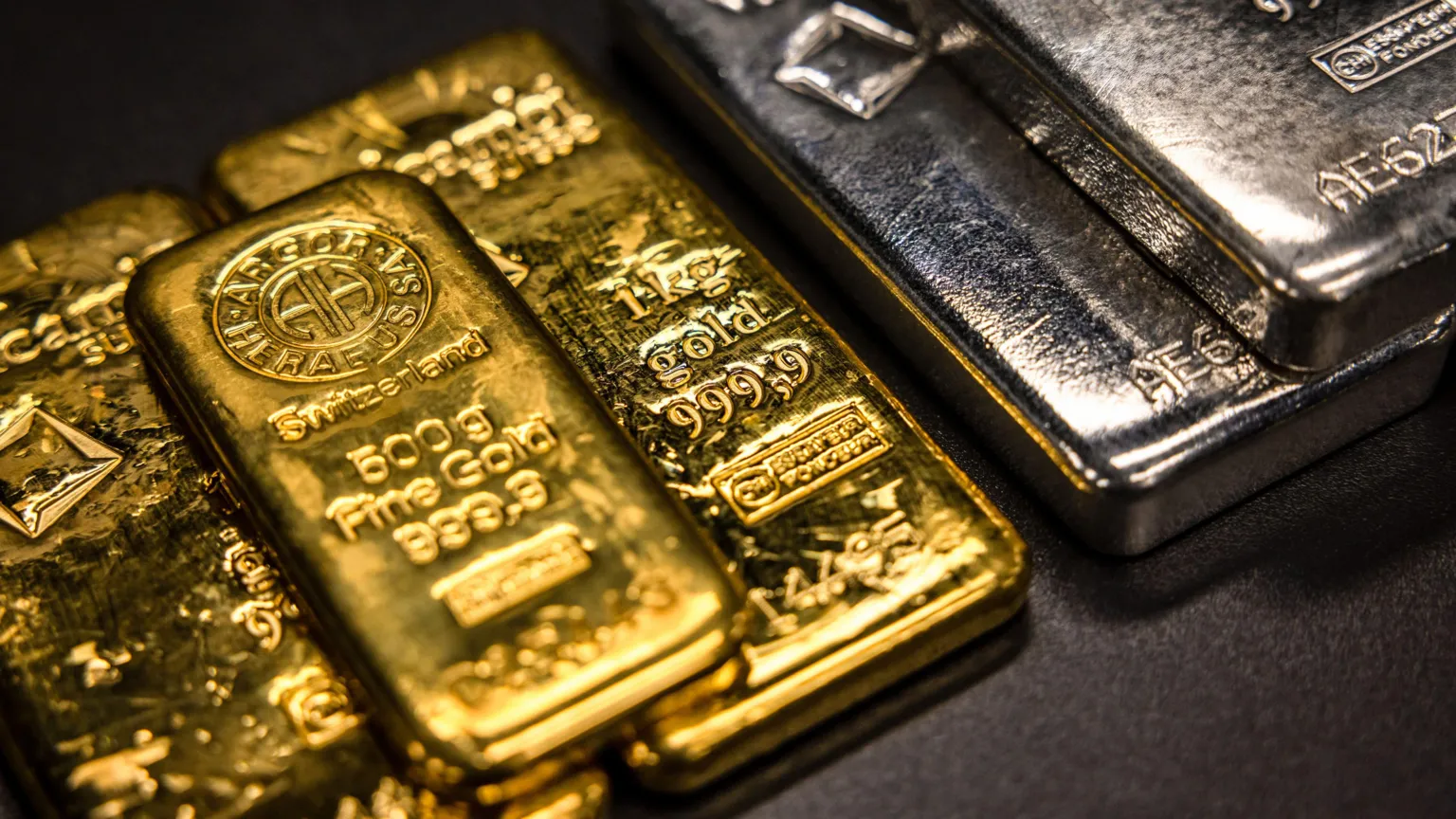
The extraordinary rally that defined the precious metals market throughout 2025 has encountered a sharp reversal, with both gold and silver experiencing significant volatility in recent trading sessions. After reaching unprecedented peaks in January, spot gold prices witnessed a dramatic intraday decline of nearly 10%, while silver faced an even steeper slump of 15% before finding a temporary floor. This correction marks a stark departure from the bullish trend driven by investors seeking safe haven assets amidst a climate of intense geopolitical uncertainty and trade tensions.
The Impact of the Federal Reserve Leadership Transition
The primary catalyst for this sudden shift in market dynamics appears to be the political transition within the United States. Investor anxiety regarding the independence of the central bank eased considerably following the announcement that Kevin Warsh, a former governor, has been nominated to lead the institution. Financial markets reacted positively to the news, viewing the appointment as a stabilizing force for monetary policy. This optimism fueled a 1% surge in the value of the US dollar, which traditionally maintains an inverse relationship with commodity prices.
As the greenback strengthened, gold suffered its most aggressive one-day sell-off in decades, retreating from its January peak of over $5,500. Despite the intensity of the drop, the metal remains approximately 70% higher than its valuation at this time last year. Analysts suggest that the nomination of a familiar figure to the Federal Reserve has recalibrated expectations for interest rate trajectories in 2026, directly influencing the attractiveness of non-yielding assets.
Market Corrections and Changing Trading Requirements
While political appointments triggered the initial sell-off, technical factors played an equally critical role in the downward pressure on prices. Major exchanges recently implemented changes to trading requirements for precious metals, increasing the capital costs for speculators to maintain their positions. This regulatory adjustment made it more expensive to hold leveraged bets, prompting many traders to liquidate their holdings simultaneously. The resulting “snowball effect” was further intensified by the fact that prices had become “parabolic” in previous weeks, leaving the market vulnerable to a massive round of profit-taking.
This volatility was not isolated to the metals sector. Global equity markets reflected the cautious sentiment, particularly in Asia where the Nikkei 225 and the Kospi faced notable declines. The broader commodity complex also felt the weight of a stronger dollar and shifting geopolitical narratives. In the energy sector, crude oil prices dropped nearly 5% as major producers maintained steady output levels and tensions between Washington and Tehran showed signs of de-escalation, reducing the risk premium that had previously propped up energy costs.
Long Term Outlook for Bullion and Mining Stocks
The correction has had an immediate impact on the valuation of major mining companies, with firms like Fresnillo and Endeavour Mining seeing their share prices dip as the underlying value of their primary products fluctuated. However, many analysts view this as a necessary cooling period for a market that had become overheated. Throughout 2025, concerns over tariffs and the potential overvaluation of artificial intelligence stocks drove silver to an all-time high of $120, a level that many considered unsustainable in the short term.
Looking ahead, the scarcity of physical bullion continues to provide a fundamental backbone for the industry. Historical data from the United States Mint and other global institutions highlight the limited supply of these metals compared to the expanding global money supply. While the immediate focus remains on the two projected interest rate cuts for 2026, the long-term trajectory of gold and silver will likely depend on whether the current stabilization of the US dollar persists or if renewed geopolitical friction returns investors to the safety of precious metals.