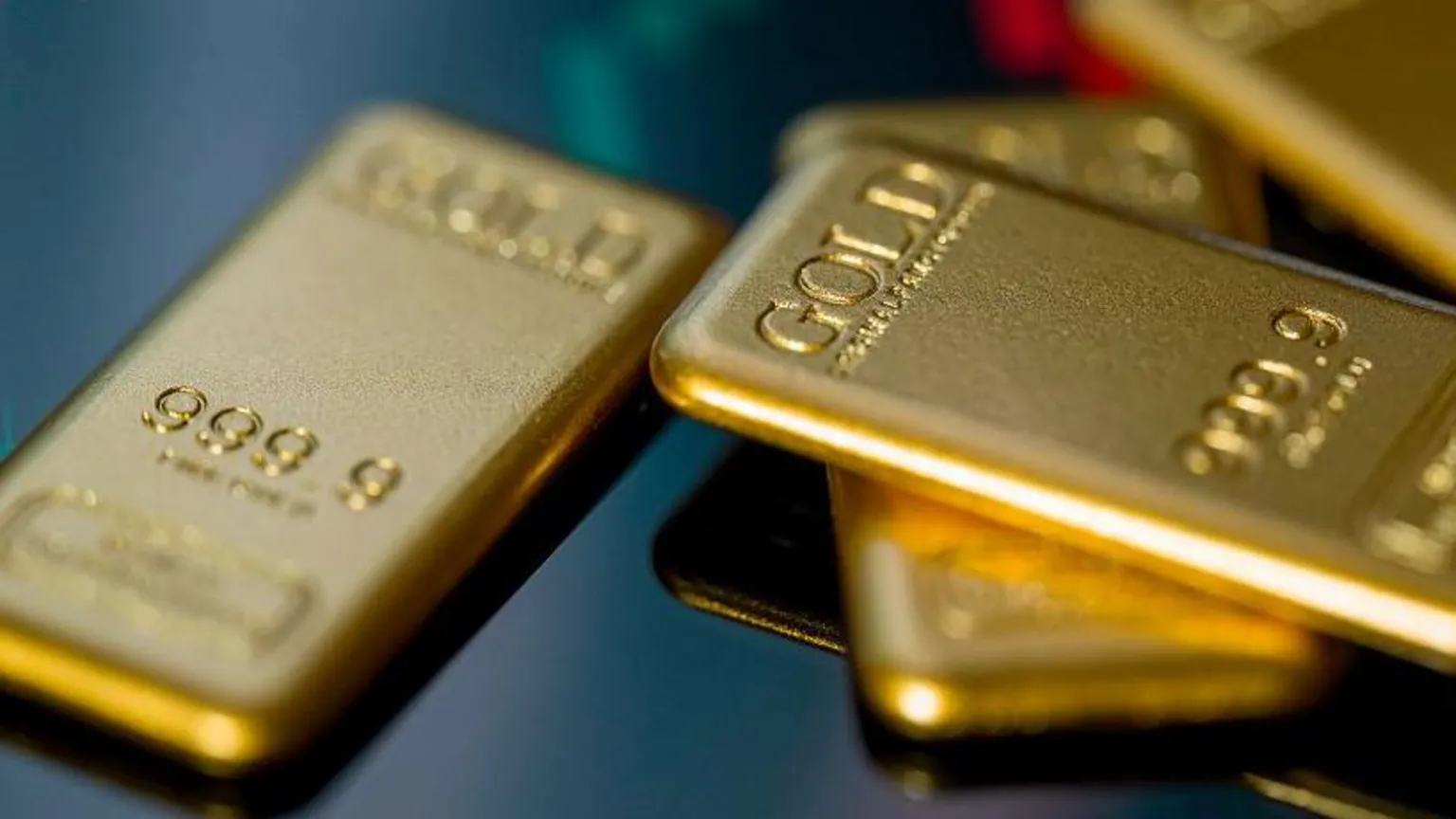
Global financial markets reacted swiftly to heightened geopolitical uncertainty following recent developments in Venezuela, triggering a renewed surge in demand for traditional safe-haven assets. As a result, the gold price surge was driven by geopolitical risk, with investors seeking protection against escalating political risk, while defense and energy stocks also posted notable gains across multiple regions.
The renewed appetite for hard assets reflects a broader shift in market sentiment, with investors reassessing risk exposure in light of potential disruptions to global stability, energy supply chains, and international security dynamics.
Gold and Silver Strengthen as Investors Seek Safe Havens
Gold prices climbed approximately 2.4%, trading near $4,433 per ounce, as market participants rotated capital into assets historically viewed as stores of value during periods of uncertainty. Silver followed a similar trajectory, rising close to 4.9% as demand increased for precious metals across global exchanges.
This movement reinforces gold’s role as a hedge against geopolitical stress and macroeconomic instability. Precious metals often benefit when investors grow cautious about equities, currencies, or sovereign risk, a trend frequently discussed in educational market resources such as those available on investopedia.
Gold’s recent rally builds on an already strong performance, with prices having risen more than 60% over the past year, reaching an all-time high of $4,549.71 in late December. These gains have been fueled by expectations of interest rate reductions, continued central bank purchases of bullion, and persistent concerns over global political and economic volatility. Central banks’ interest in gold as a reserve asset is widely documented by institutions like the World Gold Council at https://www.gold.org.
Mining stocks also benefited from higher metal prices, as rising spot prices tend to improve margins and revenue expectations for producers. Increased investor interest in the sector reflects confidence that elevated precious metal prices could persist if uncertainty remains elevated.
Energy Markets and Oil Stocks React to Venezuela Developments
Oil markets showed a more restrained response, with crude prices fluctuating as traders weighed the potential impact of political changes on supply. Brent crude edged up about 0.5% to $61.06 per barrel, as analysts noted that ample global inventories could offset near-term disruptions.
Despite limited movement in oil prices themselves, shares in U.S. energy companies rose sharply in early trading. Investors anticipate that changes in Venezuela’s political landscape could eventually lead to expanded access to the country’s substantial oil reserves. Venezuela holds some of the largest proven crude reserves globally, though years of underinvestment have severely constrained production capacity. Background on global oil reserves and production trends can be explored through the U.S. Energy Information Administration at https://www.eia.gov.
Industry specialists have cautioned that restoring Venezuela’s oil infrastructure would require investments totaling billions of dollars and extensive technical expertise. Production currently represents roughly 1% of global output, limiting the immediate impact on global energy prices. Even with political shifts, meaningful increases in supply would likely take years rather than months.
Nevertheless, market optimism around long-term opportunities helped lift energy equities, particularly companies already operating in the region. These expectations underscore how equity markets often react in anticipation of future access rather than immediate changes in production.
Defense Stocks and Global Equities Respond to Rising Tensions
Defense stocks across Europe recorded strong gains as investors positioned for the possibility of increased military spending by governments responding to elevated geopolitical risk. Companies in the defense sector typically attract capital during periods of global tension, as heightened security concerns often translate into higher defense budgets.
This pattern reflects a broader understanding of how geopolitical instability reshapes government priorities, a concept frequently examined in market strategy analyses such as those found on https://www.morningstar.com/markets. Investors often view defense companies as relatively insulated from economic slowdowns when security spending becomes a strategic necessity.
Asian equity markets, meanwhile, posted gains driven largely by regional economic data rather than geopolitical developments. Strong performances in major Asian indexes suggested confidence that the immediate fallout from Venezuela-related events would remain geographically contained.
Overall, the market response highlights a familiar dynamic: during periods of heightened uncertainty, capital flows toward assets perceived as resilient. Gold, defense stocks, and select energy companies benefited as investors recalibrated portfolios to balance risk and opportunity. As geopolitical developments continue to unfold, market participants are likely to remain attentive to signals that could influence inflation expectations, interest rate policy, and global trade stability.
The renewed rise in gold prices and defensive assets underscores how global markets remain highly sensitive to political events, reinforcing the metal’s enduring role as a barometer of investor confidence in uncertain times.