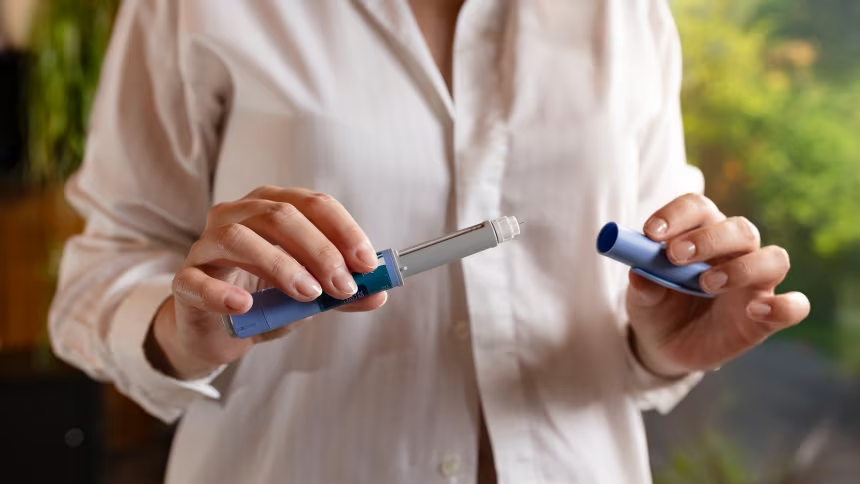
The cardiovascular benefits linked to GLP-1 medications can diminish rapidly once treatment is discontinued, according to new clinical findings that highlight the importance of long-term use. These drugs, widely prescribed for managing type 2 diabetes and increasingly used for weight management, have been associated with a meaningful reduction in the risk of heart attacks, strokes, and related complications.
However, researchers now report that these protective effects may not last if patients stop taking the medication. The reversal appears to happen faster than the time it takes to build those benefits, raising concerns about treatment interruptions and long-term health outcomes.
Rapid Loss of Cardiovascular Protection
The study analyzed medical records from more than 333,000 patients and found a clear pattern: individuals who discontinued GLP-1 therapy experienced a steady increase in cardiovascular risk within months. Compared to those who remained on treatment, patients who stopped saw a 4% increase in risk after six months, 14% after one year, and 22% after two years.
These findings suggest that the benefits gained over approximately three years of continuous use can be largely erased in about half that time. Researchers describe this phenomenon as a form of metabolic rebound, where the body quickly loses the protective effects once the medication is withdrawn.
Medications such as Ozempic and similar GLP-1 receptor agonists have become central to modern treatment strategies due to their dual impact on blood sugar control and cardiovascular health. Their growing use has underscored the need to better understand how long their benefits persist.
Why Continuous Treatment Matters
The cardiovascular improvements associated with GLP-1 drugs are believed to result from multiple mechanisms. Weight loss plays a key role, as it reduces inflammation and improves metabolic function. At the same time, these medications may have direct effects on heart tissue, further contributing to reduced cardiovascular risk.
Guidance from institutions such as the American Heart Association emphasizes the importance of sustained management of risk factors, including blood sugar, weight, and blood pressure. Interrupting treatment can disrupt this balance, allowing underlying conditions to re-emerge.
The study also found that patients who continued therapy for three years had an 18% lower risk of major cardiovascular events compared to those using alternative diabetes medications. This reinforces the idea that consistency in treatment is critical to maintaining long-term health benefits.
Despite these advantages, many patients discontinue GLP-1 medications within the first year. Common reasons include side effects such as nausea and fatigue, as well as financial barriers. The cost of ongoing treatment can be significant, leading some individuals to stop even when the medication is effective.
Ongoing Questions About Long-Term Use
While the evidence strongly supports continued use, several important questions remain. Researchers are still examining whether patients who maintain weight loss after stopping the medication can retain some level of cardiovascular protection. There is also growing interest in whether lower maintenance doses could help preserve benefits while reducing side effects.
Clinical insights from organizations like the National Heart, Lung, and Blood Institute suggest that long-term disease management often requires sustained intervention rather than short-term treatment. This perspective aligns with the emerging understanding of GLP-1 therapies as ongoing, rather than temporary, solutions.
As research continues, healthcare providers are increasingly encouraged to consider both the immediate and long-term implications of discontinuing treatment. The balance between effectiveness, affordability, and patient adherence remains a central challenge in maximizing the benefits of these widely used medications.