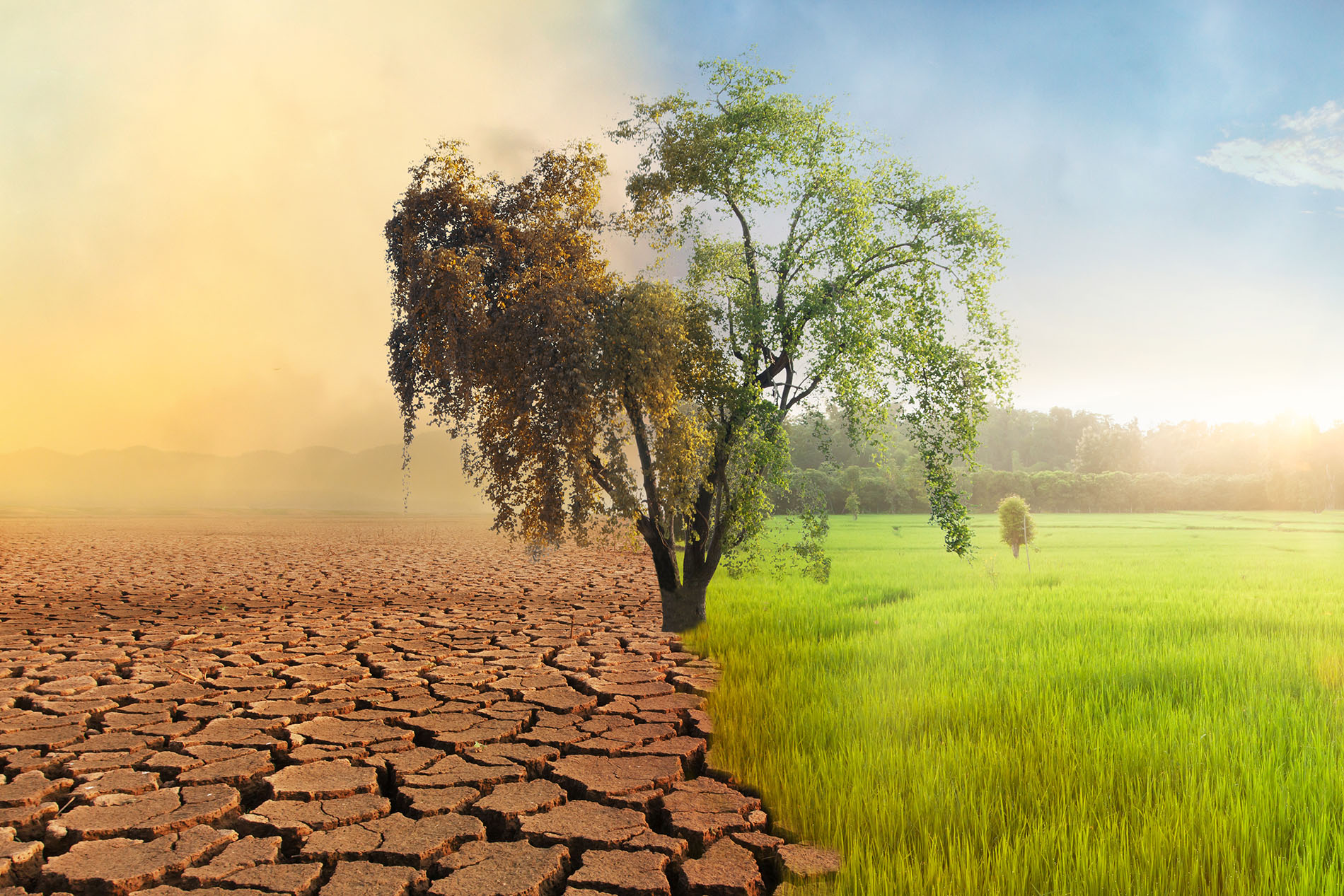
Earth’s climate system continues to show clear signs of intensifying warming, as global temperatures in 2025 ranked among the hottest years ever recorded. Scientific monitoring groups analyzing long-term temperature data have identified the past three years as an unusual cluster of extreme heat, suggesting that the pace of global warming may be increasing beyond previously observed trends. These findings reinforce growing concerns that the planet is approaching critical thresholds that could amplify climate-related risks worldwide.
The average global surface temperature in 2025 hovered close to historic peaks, reaching approximately 59.14 degrees Fahrenheit. This level places Earth about 2.59 degrees Fahrenheit above pre-industrial averages, a benchmark widely used by climate scientists to assess long-term warming. Temperature records compiled from multiple international datasets indicate that recent years are no longer following a gradual upward slope but instead show sharper increases that stand out when viewed on multi-decade graphs.
A Cluster of Extreme Heat Years Raises Scientific Concern
Climate researchers emphasize that the last three years form an unprecedented grouping of extreme global warmth. When analyzed together, these years exceed levels that scientists have long considered critical for maintaining climate stability. This pattern suggests that the Earth’s energy balance is shifting more rapidly, driven primarily by sustained greenhouse gas emissions.
Long-term datasets maintained by organizations such as the World Meteorological Organization and research institutions that collaborate with agencies like NASA show that temperature differences between the top-ranking warm years are now measured in mere hundredths of a degree. These narrow margins highlight how consistently high global temperatures have become, reducing the likelihood that recent extremes are isolated anomalies.
The internationally recognized temperature limit discussed in global climate agreements was designed to reduce the probability of severe environmental disruption. However, recent data indicates that this threshold is increasingly within reach on an annual basis. Scientists monitoring atmospheric conditions through observational networks and satellite analysis warn that continued warming could lock in changes that persist for generations. Further context on global monitoring frameworks can be found through international climate coordination efforts at https://www.wmo.int.
Human Activity Remains the Dominant Driver of Warming
Researchers continue to attribute the overwhelming majority of observed warming to human activities, particularly the combustion of coal, oil, and natural gas. These processes release carbon dioxide and other greenhouse gases that trap heat in the atmosphere, altering global climate patterns. While short-term factors such as solar variability, changes in air pollution, and volcanic activity can influence yearly temperatures, they do not account for the sustained upward trajectory seen over decades.
Recent analyses suggest that reductions in certain industrial pollutants, which previously reflected sunlight and provided a slight cooling effect, may have unintentionally allowed additional warming to emerge. At the same time, natural climate oscillations can temporarily amplify underlying trends. Even with these influences, scientists stress that the fundamental cause remains the accumulation of greenhouse gases.
Agencies conducting climate assessments, including those collaborating with the National Oceanic and Atmospheric Administration, rely on both surface measurements and advanced climate models to verify trends. These methodologies ensure consistency across datasets and strengthen confidence in long-term conclusions. Detailed explanations of climate data collection and modeling approaches are available at https://www.noaa.gov.
Intensifying Impacts on Weather, Ecosystems, and Economies
Rising global temperatures are closely linked to more frequent and intense heat waves, stronger storms, heavier rainfall, prolonged droughts, and expanding wildfire seasons. These impacts carry significant human and economic costs, with extreme weather events causing billions of dollars in damages each year and placing growing strain on infrastructure, agriculture, and public health systems.
In polar and subpolar regions, warming is reshaping landscapes as permafrost thaws and glaciers retreat. These changes can release trapped metals and alter river chemistry, affecting ecosystems and water quality far downstream. Similar transformations are occurring in mountain regions and coastal zones, where melting ice and rising seas threaten communities and biodiversity.
European climate monitoring initiatives, including satellite-based observation programs, have documented how recent temperature surges compare with historical baselines. Their findings underscore how quickly the climate system is moving into uncharted territory. Additional insights into regional and global climate indicators can be explored at https://climate.copernicus.eu. Complementary research on Earth’s changing energy balance is also supported through scientific missions detailed at https://www.nasa.gov.
As temperature records continue to cluster near historic highs, scientists emphasize that these patterns should be interpreted as a clear signal rather than an outlier. The persistence of near-record heat reflects a climate system responding to decades of accumulated emissions, with consequences that are becoming increasingly visible across the planet.