Groundwater Depletion Becomes a Global Concern
Groundwater, which supplies nearly half of the world’s water consumption, is facing a growing crisis as extraction rates continue to exceed natural replenishment. Across key agricultural regions, water tables are steadily declining, threatening food production, economic stability, and access to clean water.
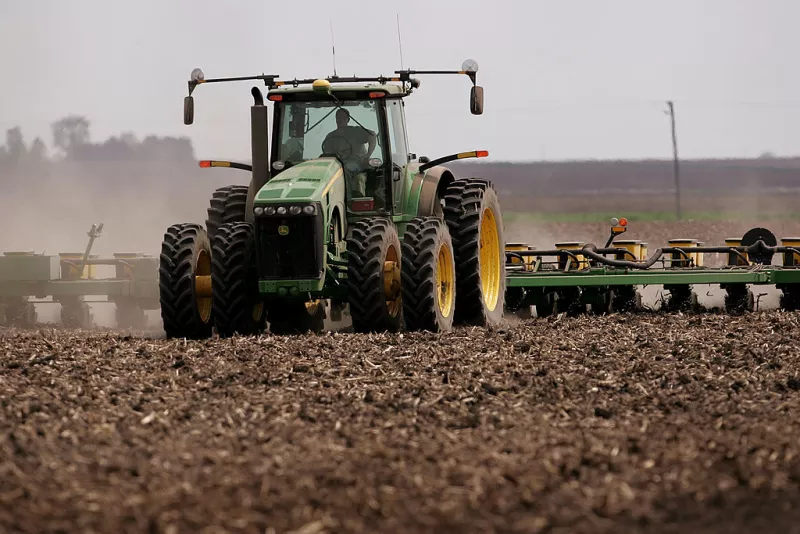
In places like western Kansas, farmers have witnessed firsthand the long-term consequences of overuse. Aquifers that once provided reliable irrigation are now under severe stress, forcing producers to reconsider how they manage water resources. The situation reflects a broader global pattern, where groundwater is being treated as an unlimited resource despite clear evidence of depletion.
According to data from <a href=”https://www.usgs.gov”>U.S. Geological Survey</a>, groundwater systems can take decades or even centuries to recharge, making current extraction levels unsustainable. This imbalance is particularly concerning in regions heavily dependent on irrigation, where agriculture relies on consistent and abundant water supplies.
Overextraction Impacts Agriculture and Communities
The consequences of excessive groundwater use extend far beyond farms. As aquifers shrink, communities face rising costs for water access, reduced crop yields, and increased vulnerability to drought conditions. In some areas, wells are running dry entirely, forcing farmers and residents to drill deeper at higher costs or abandon water-dependent activities.
Agriculture remains the largest consumer of groundwater globally, accounting for a significant portion of total withdrawals. Crops such as corn, wheat, and soybeans require substantial irrigation, especially in arid and semi-arid regions. As water becomes scarcer, farmers must adopt more efficient irrigation techniques or shift to less water-intensive crops.
Technological advancements are helping mitigate some of these challenges. Precision agriculture tools and water management systems are improving efficiency and reducing waste. Organizations like <a href=”https://www.fao.org”>Food and Agriculture Organization</a> and <a href=”https://www.worldbank.org”>World Bank</a> are actively supporting initiatives aimed at sustainable water use and agricultural resilience.
Can Groundwater Systems Recover?
The question of whether groundwater systems can recover depends largely on how quickly and effectively changes are implemented. Reducing extraction rates, improving water management practices, and investing in recharge projects are all critical steps toward stabilizing aquifers.
Some regions have already begun experimenting with managed aquifer recharge, where excess surface water is intentionally directed underground to replenish depleted reserves. Conservation policies and stricter regulations are also being introduced to limit overuse and promote long-term sustainability.
However, recovery is not guaranteed. In many cases, the damage caused by decades of overextraction may take generations to reverse. Climate change adds another layer of complexity, as shifting precipitation patterns can further limit natural recharge.
Efforts led by institutions such as <a href=”https://www.unesco.org”>UNESCO</a> highlight the importance of global cooperation in addressing the groundwater crisis. Without coordinated action, the continued depletion of this critical resource could have far-reaching consequences for food security, economic development, and environmental stability.
The growing awareness of groundwater depletion is prompting governments, industries, and communities to rethink water use. While solutions exist, their success will depend on immediate action and sustained commitment to protecting one of the planet’s most essential resources.