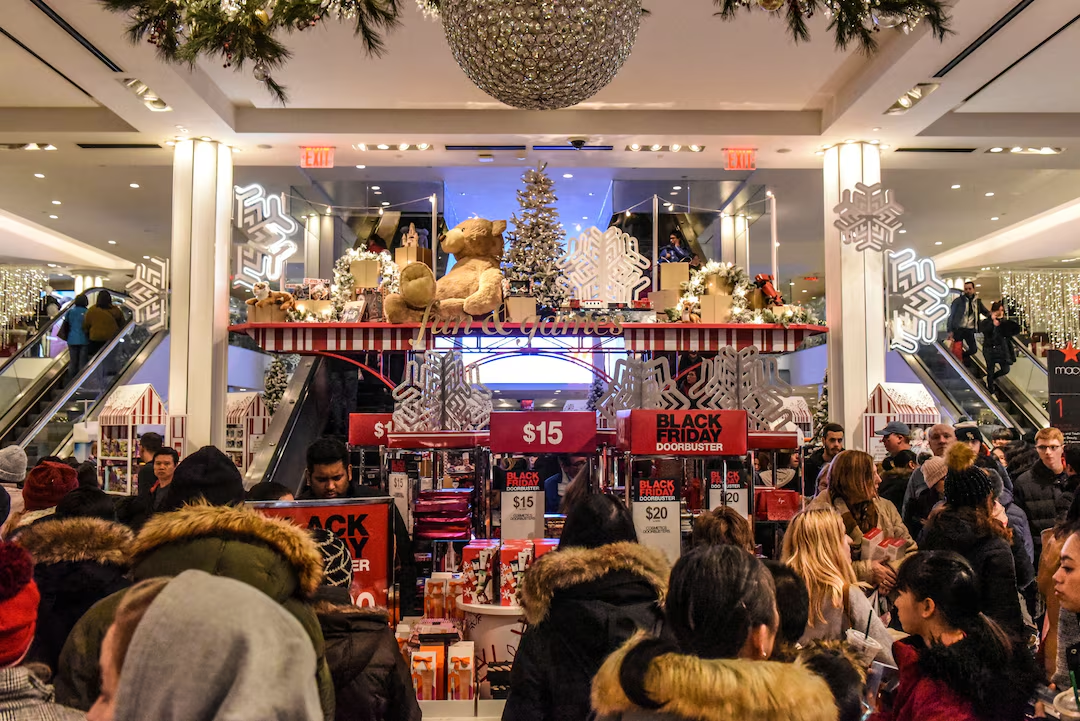
American shopping behavior is undergoing one of the most notable cultural shifts in years. This is driven by a desire for control in a world where consumers feel increasingly overwhelmed by economic instability and rapid social change. Across malls, online boutiques, and major retail chains, shoppers are revealing preferences that go far beyond simple bargain hunting. They are navigating an evolving landscape where personal expression, emotional wellbeing, and financial strategy converge. This is happening during a season traditionally defined by indulgence. The new frugal consumer is not merely cutting costs. They are redefining what value, meaning, and satisfaction look like during the holiday season and into 2026.
A New Era of Frugal Consumers
Holiday shopping is no longer dominated by impulsive buying sprees or last-minute splurges. Instead, frugal consumer shopping habits are emerging, with highly deliberate decisions about where to place their dollars, time, and energy. This shift has emerged from years of economic turbulence. These include inflation surges, fluctuating interest rates, supply-chain stress, and global uncertainty. As a result, shoppers are eager to reclaim a sense of control in their daily lives. Many are choosing store-brand products, rethinking loyalty to legacy labels, and evaluating each purchase through a more personal lens of usefulness and emotional resonance. Resources such as Consumer Reports and data platforms like Statista show a growing preference for value-driven shopping across income levels. This reflects broader behavioral changes in the retail economy.
Consumers today are more willing to forego recognizable brands in categories such as snacks, clothing, and household staples. Meanwhile, the rise of “wow pieces” — bold, expressive items designed to stand out — symbolizes a countertrend to the restrained, neutral-toned aesthetic that dominated early pandemic years. Shoppers increasingly favor items that communicate individuality, color, and optimism. This is transforming the emotional landscape of fashion and home décor. Digital inspiration platforms like Pinterest show surging engagement with bold prints, maximalism, and standout accessories.
Why Holiday Spending Keeps Rising Despite Low Confidence
The tension between low consumer confidence and rising holiday spending remains one of the most intriguing dynamics of 2025. While many households express anxiety about the national economy, they continue to spend — not out of financial ease, but out of a psychological need for celebration, stability, and meaningful routine. All these aspects are tied to evolving shopping habits. Holiday shopping, for many, represents a momentary escape from uncertainty. The season becomes not only an opportunity for gift-giving but also a chance to reaffirm connections and traditions.
Higher-income shoppers are buoyed by strong stock market performance and rising home values, contributing significantly to holiday spending totals. However, middle-income consumers are also participating, encouraged by wage growth that continues to outpace inflation. Retailers and economic analysts often track these trends using tools like USAFacts, which highlight how earnings and household spending patterns reflect broader social behavior. Though shoppers are still spending, they are now scrutinizing every extra item. They are reconsidering impulse purchases and prioritizing gifts that feel purposeful or emotionally meaningful rather than merely convenient.
The psychological drivers of holiday purchases have grown more complex. Shoppers are seeking small pockets of joy and normalcy during a period when many feel detached from the broader economic narrative. The search for joy, even in modest forms, continues to fuel gift-giving traditions, festive décor, and special seasonal treats. However, the splurges tend to be more selective and more intentional than in previous years.
How Stores Are Adapting to Choosy and Value-Focused Shoppers
Retailers are now adapting to a more discerning consumer. This consumer is motivated by discounts, transparency, and relevance. Chains across fashion, electronics, home goods, and general merchandise are preparing for deeper holiday markdowns. Meanwhile, shoppers hesitate to add unnecessary extras to their carts. These shopping habits reflect a growing sense of frugality. This hesitation has forced companies to rethink their pricing strategies, promotional timing, and even the design of store layouts.
Shoppers increasingly respond to clear value propositions, curated displays, and standout products. These items feel unique enough to justify a higher price tag. Meanwhile, loyalty programs, flexible return policies, and personalized online recommendations are becoming essential tools for retailers. These tools aim to secure sales in an environment where buyers are more selective than ever. Websites such as RetailDive frequently track these shifts. They reveal how top retailers are re-engineering their seasonal strategies to win over the frugal but expressive consumer.
The coming year will likely deepen these trends as shoppers continue to redefine how they balance financial caution with personal expression. The evolving mindset behind holiday spending sheds light on an American consumer who is not simply cutting back. They are seeking intentionality, empowerment, and emotional alignment in every purchase. From bold fashion choices to value-focused decision-making, the modern shopper is carving out a new identity. This identity blends practicality with a strong desire to be seen, understood, and in control.