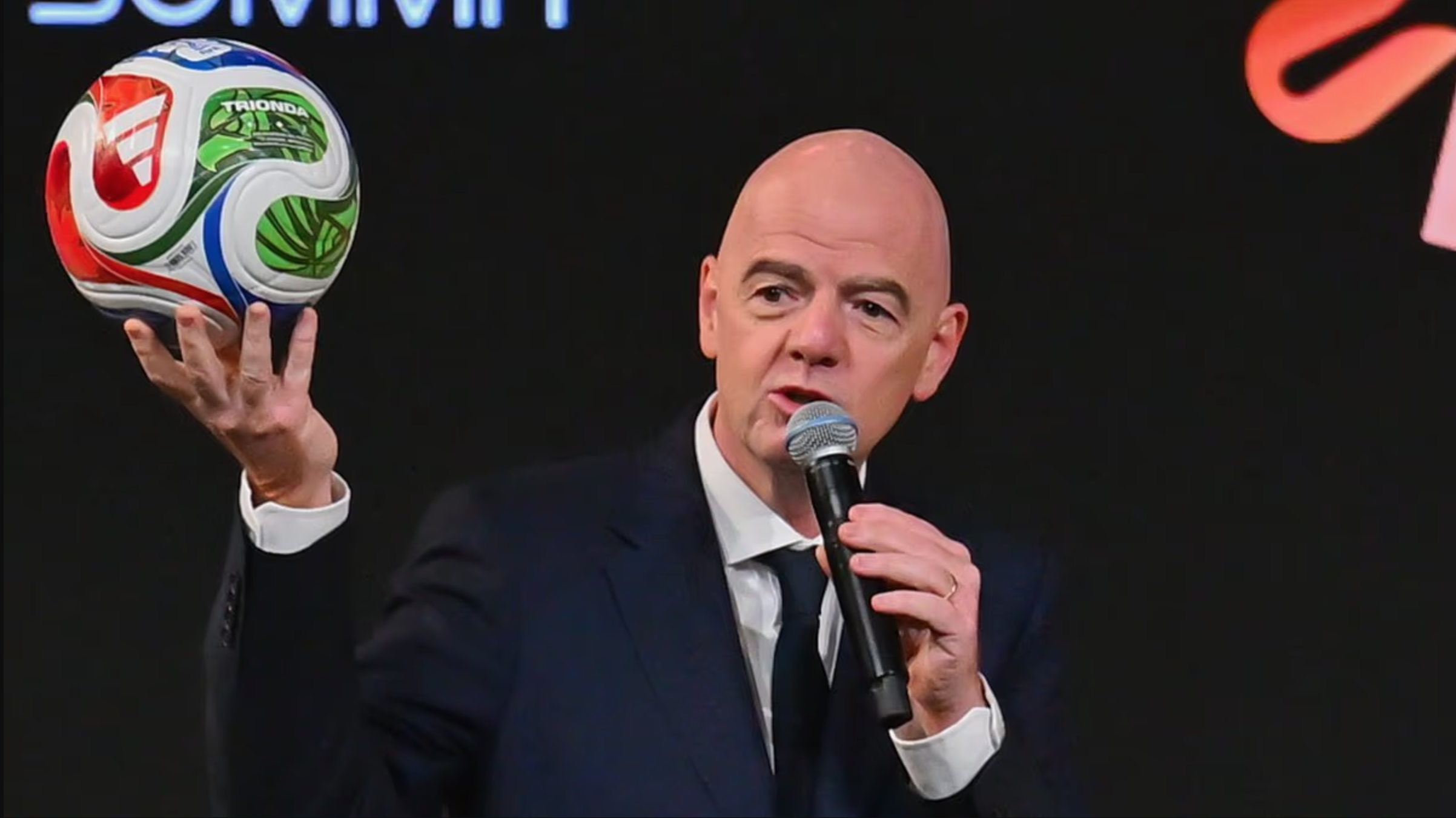
FIFA has intensified its defense of ticket pricing for the 2026 World Cup. Demand for seats reaches levels never seen before in the tournament’s history. With the event across the United States, Canada, and Mexico, interest has surged on a global scale. This reflects not only the sport’s expanding reach but also the growing commercialization of elite international football.
According to figures disclosed by FIFA leadership, ticket requests have surpassed 150 million during the latest sales phase. This underscores the tournament’s ability to attract massive financial engagement. This unprecedented demand places the 2026 World Cup among the most lucrative sporting events ever staged. Total revenues are expected to reach several billion dollars once broadcasting, sponsorships, hospitality, and ticketing are fully accounted for.
Record-breaking demand reshapes World Cup economics
The scale of demand for 2026 tickets highlights how the World Cup has evolved into a global economic engine. Entry-level tickets for early-stage matches begin at approximately $140. Meanwhile, premium fixtures command significantly higher prices. High-profile matches in major U.S. cities have drawn interest from international fans willing to spend thousands of dollars for a single seat. This trend aligns with broader shifts in sports entertainment markets.
FIFA argues that this pricing reflects market realities rather than exclusionary intent. Large-scale sporting events increasingly rely on dynamic pricing models similar to those used in major leagues and entertainment platforms. Comparable trends can be observed in global sports business data published by platforms such as https://www.statista.com. These track rising revenues across international tournaments and leagues.
This economic transformation has positioned the World Cup as both a cultural celebration and a commercial powerhouse. It is capable of financing development initiatives far beyond the host nations.
Global reinvestment and football development strategy
A central element of FIFA’s defense is its commitment to reinvesting World Cup revenues into football development worldwide. Officials emphasize that funds generated through ticket sales help sustain programs. This is crucial in regions where professional infrastructure would otherwise be financially unviable. These investments support grassroots initiatives, coaching education, and facility construction across dozens of countries.
Football development models supported by international governing bodies are closely aligned with frameworks promoted by organizations such as https://www.fifa.com. Their long-term growth strategies focus on expanding access to the sport in emerging markets. Revenue from major tournaments is positioned as a financial backbone for maintaining competitive balance and global participation.
This reinvestment narrative plays a crucial role in FIFA’s justification of higher prices. They frame ticket revenue not solely as profit but as a redistribution mechanism within the global football ecosystem.
Fan access, affordability, and the future of major tournaments
Despite record demand, concerns about affordability remain central to the debate. FIFA has introduced lower-cost ticket options priced around $60 for a limited portion of matches. This is aimed at supporters of participating national teams. While these tickets represent only a small percentage of overall availability, they signal an attempt to preserve accessibility within a rapidly monetizing environment.
The broader conversation reflects tensions seen across international sports. Here, fan loyalty intersects with rising operational costs and commercial expectations. Studies on sports fan engagement and pricing strategies, such as those referenced by https://www.sportbusiness.com, indicate that governing bodies must balance exclusivity with inclusivity to sustain long-term interest.
As preparations continue, the 2026 World Cup stands as a test case for the future of global tournaments. The expanded formats, cross-border hosting, and record-setting financial projections redefine how football is consumed, funded, and experienced worldwide. FIFA’s stance on ticket pricing illustrates a broader shift. The World Cup is treated not only as a sporting spectacle but as a cornerstone of the modern global sports economy.