Federal Support Returns to Libraries and Museums Across the United States
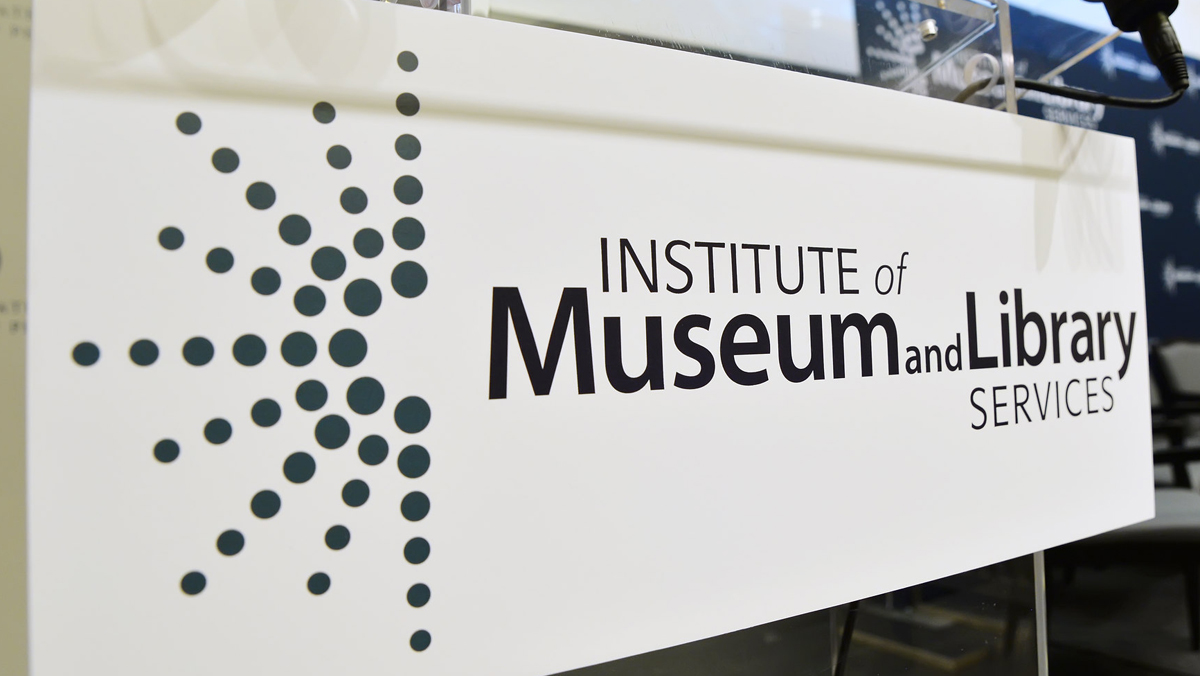
The reinstatement of federal grants for libraries and museums marks a significant turning point for cultural and educational institutions that had faced uncertainty for months. The Institute of Museum and Library Services (IMLS), the primary federal entity responsible for distributing national grant funds to these institutions, confirmed that all previously terminated awards are now officially restored. The agency issued a brief notice announcing that prior termination directives had been superseded, effectively reopening access to funds that had been paused under executive actions earlier in the year.
This reversal carries important implications for communities that rely heavily on library programs, particularly in regions with fewer financial alternatives. Many local systems had reported challenges maintaining digital resources, community programming, and essential services after grant terminations were announced. With these funds now active again, institutions will be able to resume initiatives supporting early literacy, technology access, community outreach, and digital training efforts that had remained in limbo.
Impact on Rural and Underserved Communities
Small and rural libraries experienced some of the harshest consequences of the earlier cuts. Many of these institutions depend on federal grant programs to maintain stable internet access, technology upgrades, and workforce development initiatives for residents who rely on public facilities as a primary source of digital connectivity. Without consistent grant funding, rural systems struggled to update equipment and maintain staff needed to run learning programs.
The reinstated grants now reopen opportunities for training, digital literacy classes, and pilot projects designed to expand access to information in underserved areas. These efforts align with national priorities focused on reducing the digital divide, which remains a challenge in many regions. Users searching for broader context on digital equity can explore resources such as https://www.fcc.gov to better understand ongoing federal goals for broadband expansion.
Library organizations continue to emphasize that federal support, while not the largest portion of overall public library budgets, remains vital for advancing inclusive access to knowledge. Programs funded by the IMLS frequently support literacy initiatives and technology improvements that help people adapt to evolving workforce demands. For more information about community learning initiatives, users can reference https://www.ed.gov, which outlines national education priorities that complement library-led efforts.
Legal Reversal and Future Funding Outlook
The return of the grants follows a legal challenge submitted by attorneys general from 21 states, ultimately leading a federal judge in Rhode Island to rule that the terminations were unlawful. The decision has significant implications for how future executive actions affecting cultural institutions may be interpreted. Libraries and museums now regain access to substantial federal resources, including the more than $266 million awarded by the IMLS in 2024 across a wide range of programs and community-focused projects.
Although leaders in the library community welcomed the reinstatement, they also highlighted concerns about the long-term stability of federal funding. Future budget decisions by Congress will determine whether the agency continues to operate at current capacity. Individuals interested in following upcoming legislative developments can visit https://www.congress.gov, where federal funding proposals and related actions are regularly updated. Additionally, professionals seeking information about museum and library grant programs can explore ongoing federal initiatives through https://www.usa.gov, which offers access to public services and national program details.
Cultural institutions across the country now look ahead to rebuilding programs, strengthening digital access, supporting community education, and restoring initiatives that directly benefit millions of Americans every year. As the landscape of federal funding continues to evolve, libraries and museums remain committed to serving as essential pillars for education, culture, and public engagement in communities of all sizes.