Federal Investigators Capture Suspect in Long-Running Pipe Bomb Case
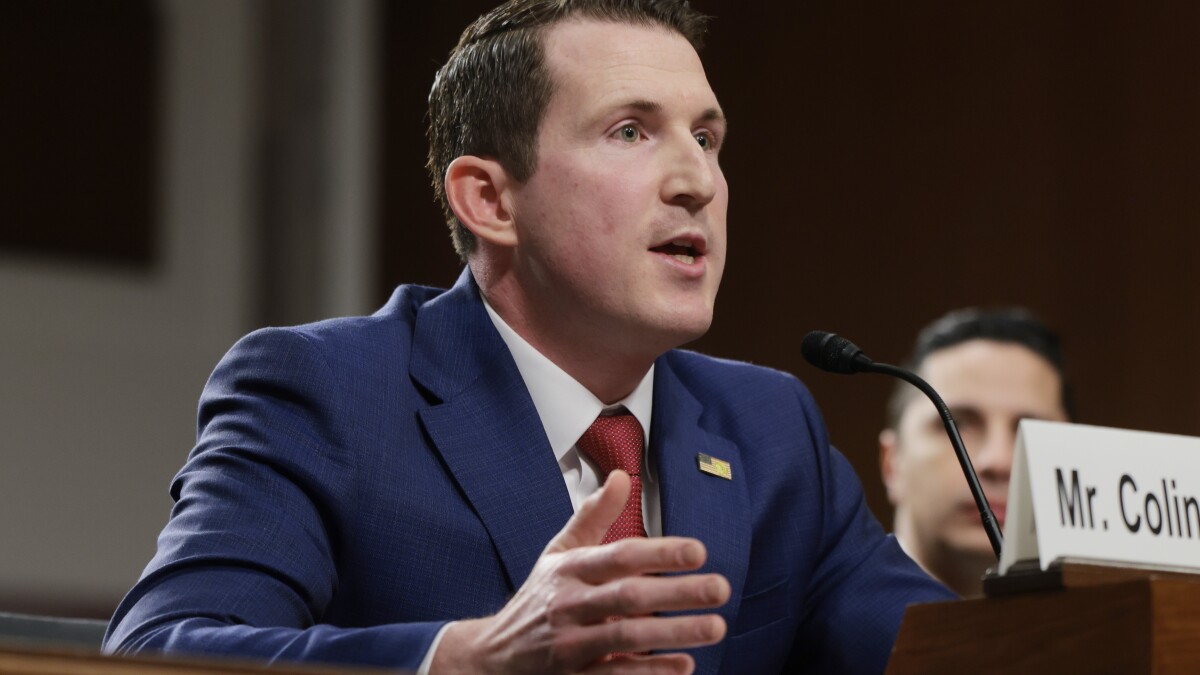
The FBI has arrested a man in the Woodbridge, Virginia area believed to be responsible for placing the pipe bombs near the Democratic and Republican national committee buildings prior to the events of January 6, 2021. This development marks a pivotal moment in a case that has challenged federal investigators for nearly five years. Authorities intensified their investigative efforts in 2024, expanding resources and reviewing extensive digital evidence obtained from the Capitol Hill region and surrounding neighborhoods. The arrest comes after years of analysis and thousands of leads, highlighting the scale of the investigation and the ongoing national concern surrounding threats to democratic institutions. The proximity of the devices to major political headquarters contributed to heightened security discussions, particularly as federal agencies reevaluated response strategies and historical vulnerabilities.
While expanding the search for the suspect, investigators relied on public collaboration and broader governmental coordination. Agencies working under heightened threat protocols maintained close contact with community networks, similar to the outreach efforts promoted by organizations like Ready.gov (https://www.ready.gov) to strengthen vigilance and emergency response awareness. Officials noted that the arrest emerged from renewed attention on forensic leads and improved analytical tools introduced over the past year.
Bomb Discovery Collided With Critical Moments of Capitol Unrest
The bombs were discovered during key turning points on January 6, creating significant operational strain as law enforcement officers attempted to stabilize conditions on Capitol grounds. The first explosive was identified shortly before crowds breached the Peace Circle, while the second was uncovered as groups associated with ongoing protests intensified their movement toward the west front. The timing of the discoveries forced officers to pivot resources toward immediate explosive mitigation, complicating efforts to manage rapidly escalating tensions. Investigators later noted that the devices may have functioned as a diversionary tactic, redirecting crucial security capacities at one of the most volatile moments of the day.
Security analysts continue to reference this case in broader discussions regarding the protection of national landmarks and political institutions. For context on federal building security standards, readers can explore the guidelines provided by the Cybersecurity & Infrastructure Security Agency (https://www.cisa.gov), which outlines national frameworks for facility protection and emergency response. The pipe bomb investigation helped inform conversations in these areas by illustrating real-time operational challenges experienced during emergencies.
Years of Evidence Review Strengthened Federal Focus on the Case
Over the course of the investigation, FBI agents conducted more than 1,000 interviews and reviewed nearly 40,000 video files, yet the identity of the suspect remained unresolved for years even amid a $500,000 reward. Recent leadership shifts within the FBI and the Department of Justice brought renewed determination to conclude the case, prompting deeper examinations of overlooked digital patterns, enhanced surveillance analytics and expanded field review operations. The investigation grew into one of the most complex domestic threat inquiries in recent history, prompting officials to emphasize the importance of community awareness and interagency cooperation.
This arrest also intersects with continued national dialogue about misinformation and public speculation surrounding major security incidents. Readers interested in understanding how the federal government addresses disinformation can refer to educational materials available through USA.gov (https://www.usa.gov), which hosts resources that combat misleading narratives and support civic education. Additionally, analysts studying national criminal trends often track updates through the Bureau of Justice Statistics (https://bjs.ojp.gov), which provides data on federal investigations and broader patterns of domestic threats across the United States.