Europe is coming to terms with a rapidly shifting geopolitical environment in which long-standing assumptions about transatlantic stability no longer hold. In a matter of days, diplomatic norms that once underpinned cooperation between Washington and European capitals were challenged by aggressive rhetoric, tariff threats, and disputes touching on sovereignty and security. What has emerged is not a temporary diplomatic storm, but a deeper reassessment of how Europe positions itself in a world where U.S. leadership is increasingly unpredictable.
A rupture in the transatlantic order
The latest tensions exposed how fragile the postwar transatlantic framework has become. European officials privately describe the current moment as a rupture rather than a gradual transition, signaling a break from decades of shared expectations around mutual respect and coordination. Trade threats directed at European economies, coupled with provocative statements on territorial issues, sent shockwaves through financial markets already sensitive to geopolitical risk. Billions of dollars in market value were erased in days as investors recalibrated assumptions about stability in U.S.-European relations.
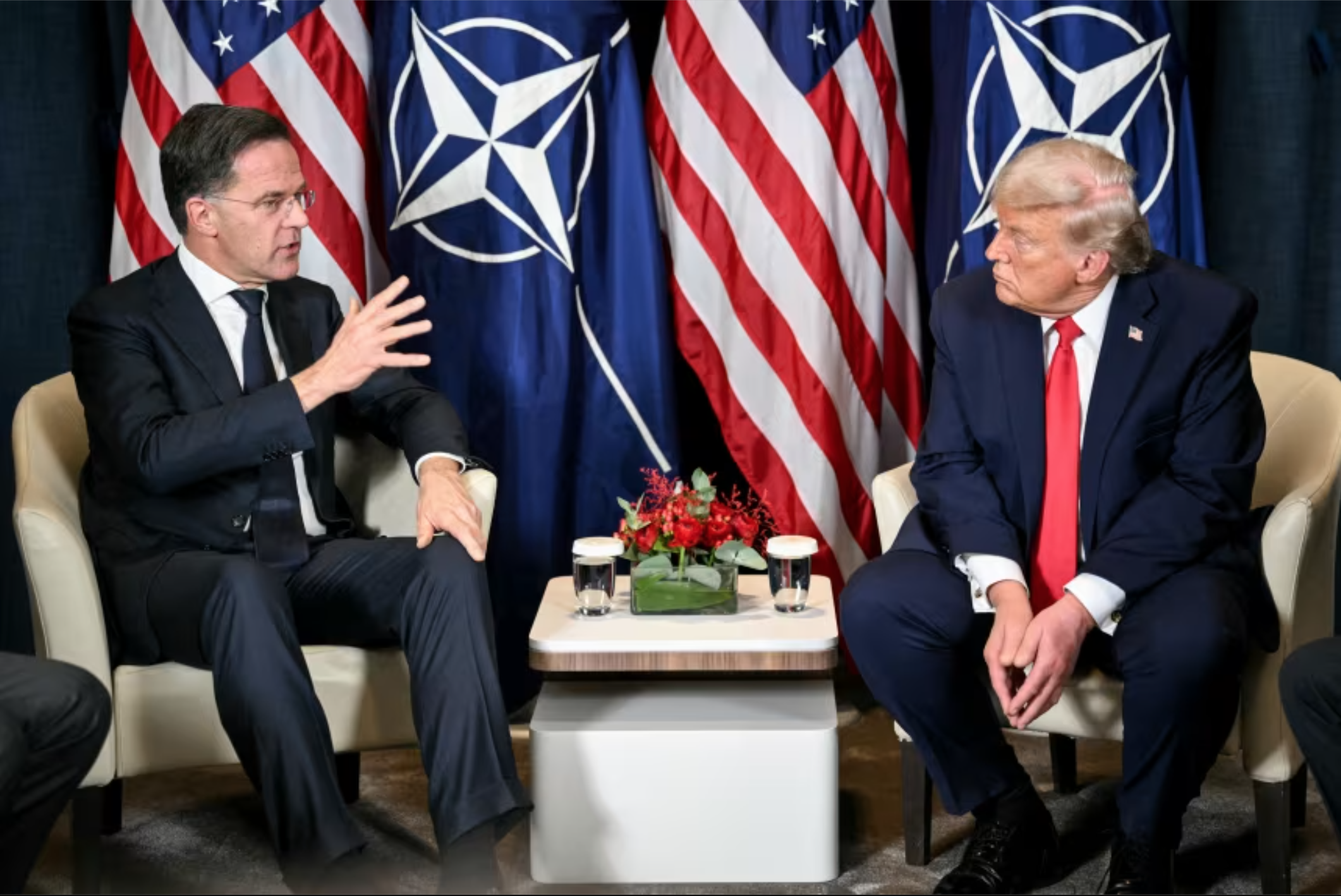
At the institutional level, unease has been evident within organizations such as NATO, where unity and predictability are central to deterrence. European policymakers increasingly question whether commitments once taken for granted can still be relied upon without qualification. This uncertainty has pushed defense and foreign policy debates to the forefront of European politics, with calls for greater strategic autonomy gaining momentum.
Europe’s push for strategic independence
In response, European leaders are accelerating discussions around economic and security independence. Coordinated defense funding initiatives, industrial policy aimed at strengthening domestic production, and long-term investment plans measured in hundreds of billions of dollars are now being framed as necessities rather than ambitions. The European Union’s internal deliberations reflect a growing consensus that reliance on external guarantees carries rising costs.
This shift is unfolding alongside broader debates within the European Union about trade resilience and financial sovereignty. Tariffs and economic pressure have highlighted vulnerabilities in supply chains and export-dependent sectors, prompting renewed focus on diversification and internal market strength. The goal is not confrontation, but insulation against sudden policy swings that can disrupt economies overnight.
Security risks and the limits of caution
Despite efforts to project unity, Europe remains constrained by hard realities. The continent still depends heavily on U.S. military capacity, particularly in deterring large-scale threats from Russia and managing instability along its eastern flank. Recent escalations in Eastern Europe and warnings about infrastructure sabotage underscore how security challenges persist regardless of diplomatic disputes. Intelligence assessments and defense planning increasingly reference coordination with partners such as the United Nations and alignment with global financial frameworks overseen by institutions like the International Monetary Fund to manage both security and economic fallout.
European leaders are therefore walking a narrow path. Public resistance to aggressive rhetoric is balanced against a pragmatic recognition of current limitations. While some governments advocate firmer lines and accelerated integration, others stress cooperation and gradual capacity-building, acknowledging that closing the military and economic gap with the United States could take years and require sustained investment running into the trillions of dollars over the long term.
What is clear is that the old assumption of an unshakeable transatlantic bond has been replaced by a more conditional relationship. Europe’s new reality is defined by hedging, preparation, and a reassessment of how power is exercised and shared. As policies evolve and alliances are tested, the coming years will determine whether this moment marks a lasting transformation of the global order or the foundation of a more balanced, if less certain, partnership.