Energy markets surged sharply on the 20th day of the escalating conflict involving the United States, Israel, and Iran, as attacks on critical infrastructure triggered widespread disruptions across the region. A major turning point came when Israeli forces targeted facilities linked to Iran’s South Pars gas field, one of the world’s largest reserves, setting off a chain reaction of retaliatory strikes that have intensified both geopolitical tensions and market volatility.
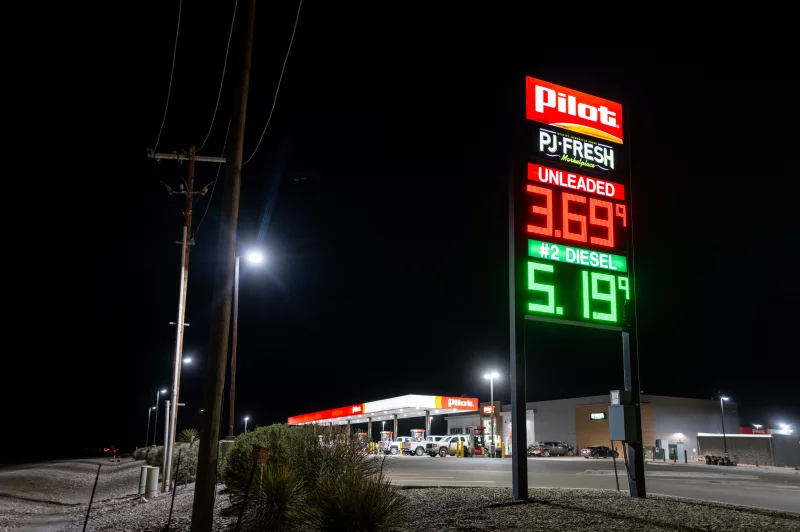
Brent crude prices climbed to approximately $115 per barrel, reflecting growing concerns over supply stability. Analysts tracking global benchmarks through platforms like Brent crude noted that traders reacted swiftly to the heightened risks surrounding production and transportation routes. The escalation has not only affected oil markets but has also driven natural gas prices significantly higher across Europe and Asia.
Escalating Attacks on Energy Infrastructure
The strikes on South Pars marked a significant shift in the conflict, as earlier operations had largely avoided direct hits on major production sites. The impact was immediate, with Iran responding by targeting energy facilities across neighboring Gulf nations and Israel. Key infrastructure in Saudi Arabia, Qatar, and Israel has since been hit, including refineries and export hubs critical to global supply chains.
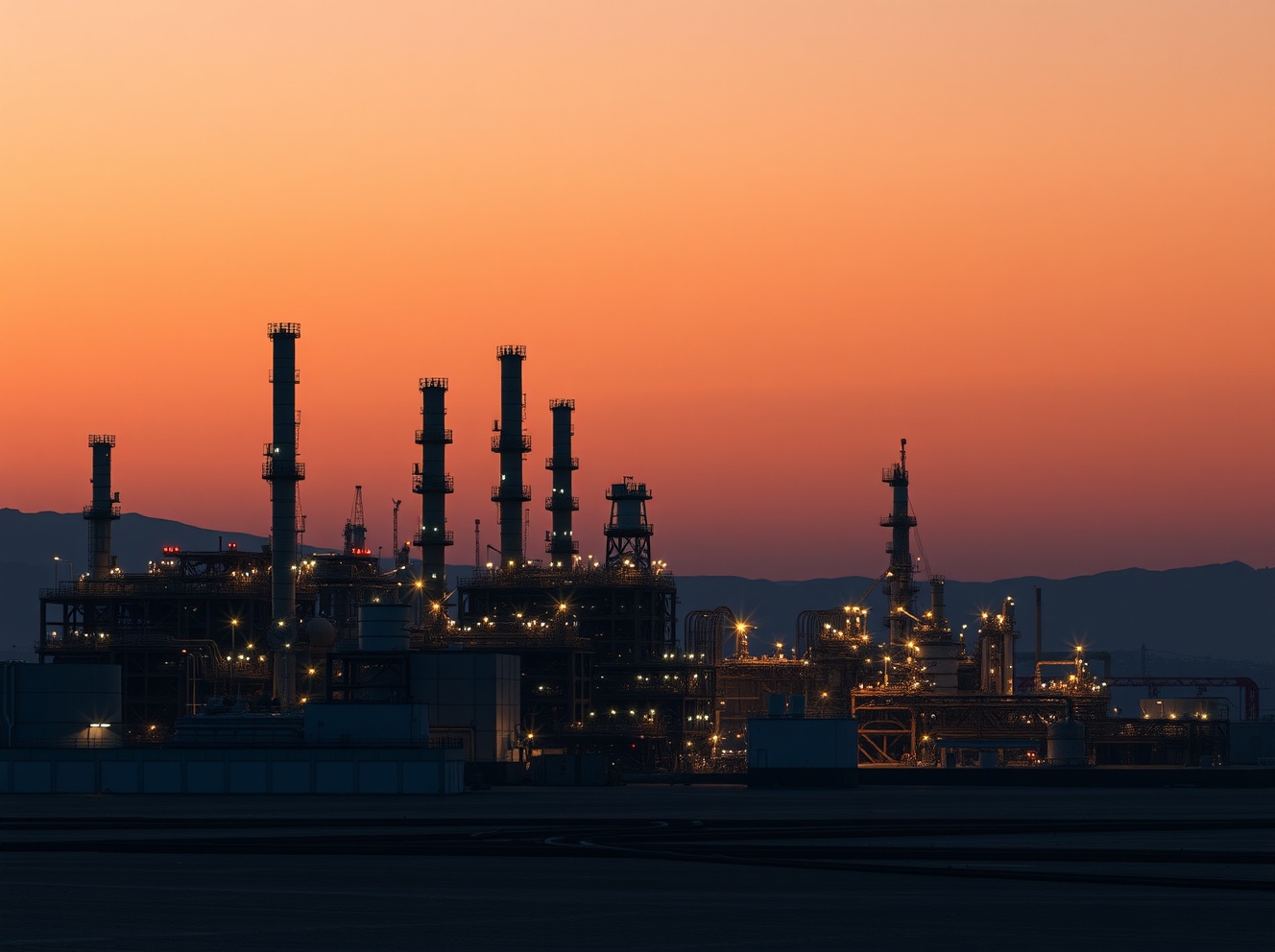
Qatar’s Ras Laffan facility, a cornerstone of global liquefied natural gas exports and monitored by organizations such as the International Energy Agency, sustained extensive damage. The disruption has raised concerns about prolonged shortages in LNG supply, particularly as the facility plays a central role in meeting global energy demand.
In Saudi Arabia, multiple refineries in Riyadh were struck, while in Israel, an oil processing complex in Haifa reported direct damage. These coordinated attacks have broadened the scope of the conflict, transforming it into a direct threat to global energy infrastructure.
Political Tensions and Conflicting Signals
Amid the escalating crisis, political messaging has remained complex and, at times, contradictory. President Donald Trump publicly distanced the United States from Israel’s strike on South Pars, stating that Washington had no prior knowledge of the operation. However, statements from officials familiar with the situation suggest a different narrative, indicating awareness or coordination behind the scenes.
At the same time, diplomatic tensions have intensified. Qatar expelled Iranian military representatives following the attacks on its territory, while Saudi Arabia warned it could take direct military action if strikes continue. Regional leaders have called for an immediate halt to hostilities, though no unified strategy has emerged.
The U.S. administration has also ruled out restricting oil and gas exports as a means of stabilizing prices, despite earlier discussions. Data monitored by the U.S. Energy Information Administration shows that global supply constraints are already tightening, making policy decisions increasingly consequential for market stability.
Growing Impact on Global Security and Trade
Beyond energy markets, the conflict is beginning to disrupt key shipping routes and broader economic activity. The Strait of Hormuz, a vital corridor for global oil and gas shipments, has seen a surge in security incidents, with multiple vessels reporting attacks or near misses. According to maritime risk assessments from entities like the International Maritime Organization, these disruptions are creating significant challenges for international trade.
Military operations have also expanded geographically. Israeli strikes have reached Iranian naval assets in the Caspian Sea, marking a new phase in the conflict’s scope. Meanwhile, continued exchanges of missiles and drones between Iran, Israel, and allied groups have increased the human and economic toll across the region.
Casualties continue to rise, with thousands affected across multiple countries. Displacement and infrastructure damage are compounding the crisis, while uncertainty over the duration of the conflict remains high. Defense officials have declined to provide a clear timeline, indicating that military objectives are ongoing and subject to evolving conditions on the ground.