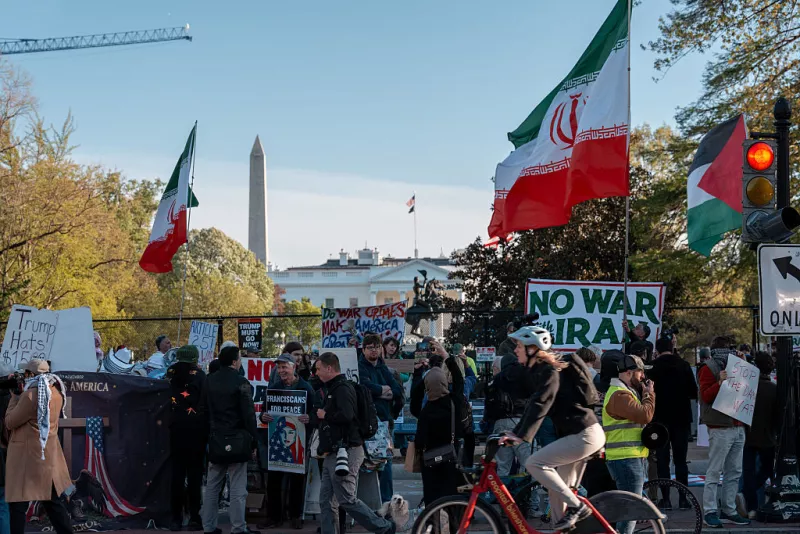
Ceasefire Agreement Tested by Immediate Violations
A newly announced ceasefire between the United States and Iran is already showing signs of instability, as military activity continues across multiple fronts in the region. While the agreement was framed as a critical pause in escalating hostilities, early developments suggest that key parties may interpret its scope differently.
The deal, which includes a temporary halt in direct confrontation, was accompanied by commitments to restore stability in strategic areas such as the Strait of Hormuz, a vital corridor for global energy shipments. However, parallel conflicts—particularly those involving allied groups—have complicated enforcement.
Despite initial optimism in global markets and diplomatic circles, reports of continued strikes have raised concerns about whether the agreement can hold long enough to create space for broader negotiations. Statements from multiple governments emphasize restraint, yet actions on the ground reveal ongoing tensions that challenge the ceasefire’s credibility.
Regional Conflicts Complicate Diplomatic Efforts
One of the primary obstacles to maintaining the ceasefire is the exclusion—or disputed inclusion—of conflicts involving regional actors. Military operations linked to Iran-backed groups have continued, particularly in neighboring countries, creating ambiguity over the agreement’s boundaries.
Diplomatic actors working to stabilize the situation have urged adherence to the terms, highlighting the importance of coordinated de-escalation. Efforts involving intermediaries have focused on reinforcing dialogue through institutions such as the United Nations, where calls for compliance and accountability continue to grow.
At the same time, attacks on infrastructure and urban centers have persisted, contributing to civilian displacement and heightened humanitarian concerns. Governments in affected areas have warned that premature returns to conflict zones could pose serious risks, underscoring the fragile security environment.
The uncertainty surrounding the ceasefire’s terms has also led to conflicting interpretations among political leaders. While some officials insist the agreement applies broadly across all theaters of conflict, others maintain it is limited to direct engagements between specific parties.
Economic and Strategic Stakes Remain High
Beyond the immediate security implications, the ceasefire carries significant economic weight. The temporary easing of tensions initially contributed to a decline in oil prices, reflecting hopes of restored stability in global supply chains. However, continued disruptions threaten to reverse those gains.
Energy markets remain particularly sensitive to developments in the region, with analysts closely monitoring shipping routes and production facilities. Data from organizations like the U.S. Energy Information Administration highlight how even minor interruptions can influence global pricing and supply dynamics.
In parallel, broader economic concerns persist. Trade routes, industrial supply chains, and regional infrastructure all depend on sustained stability. Institutions such as the World Bank have previously noted that prolonged geopolitical uncertainty can have cascading effects on global growth, particularly in energy-dependent sectors.
As negotiations continue behind closed doors, the evolving situation reflects the complexity of balancing military, political, and economic priorities in a highly interconnected global landscape.