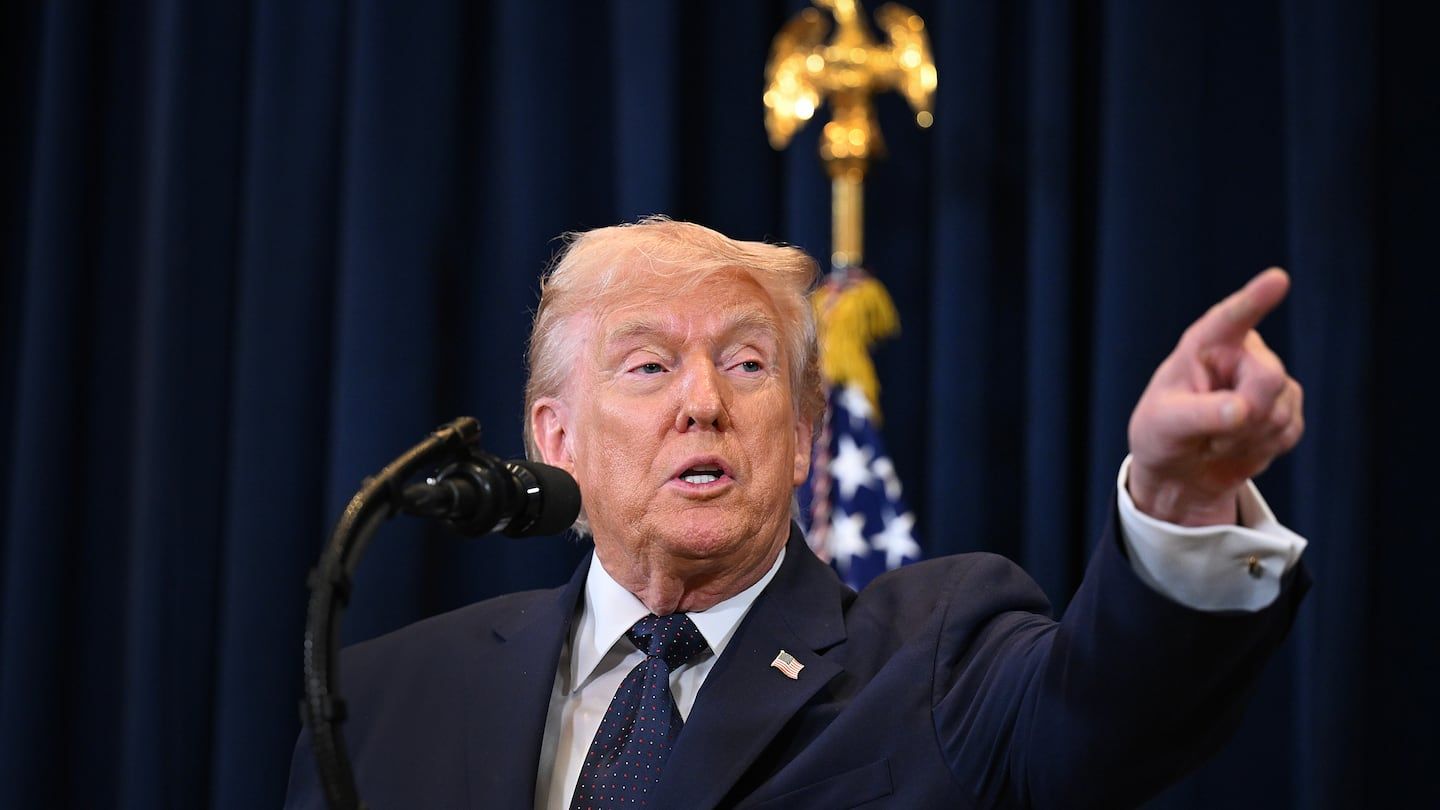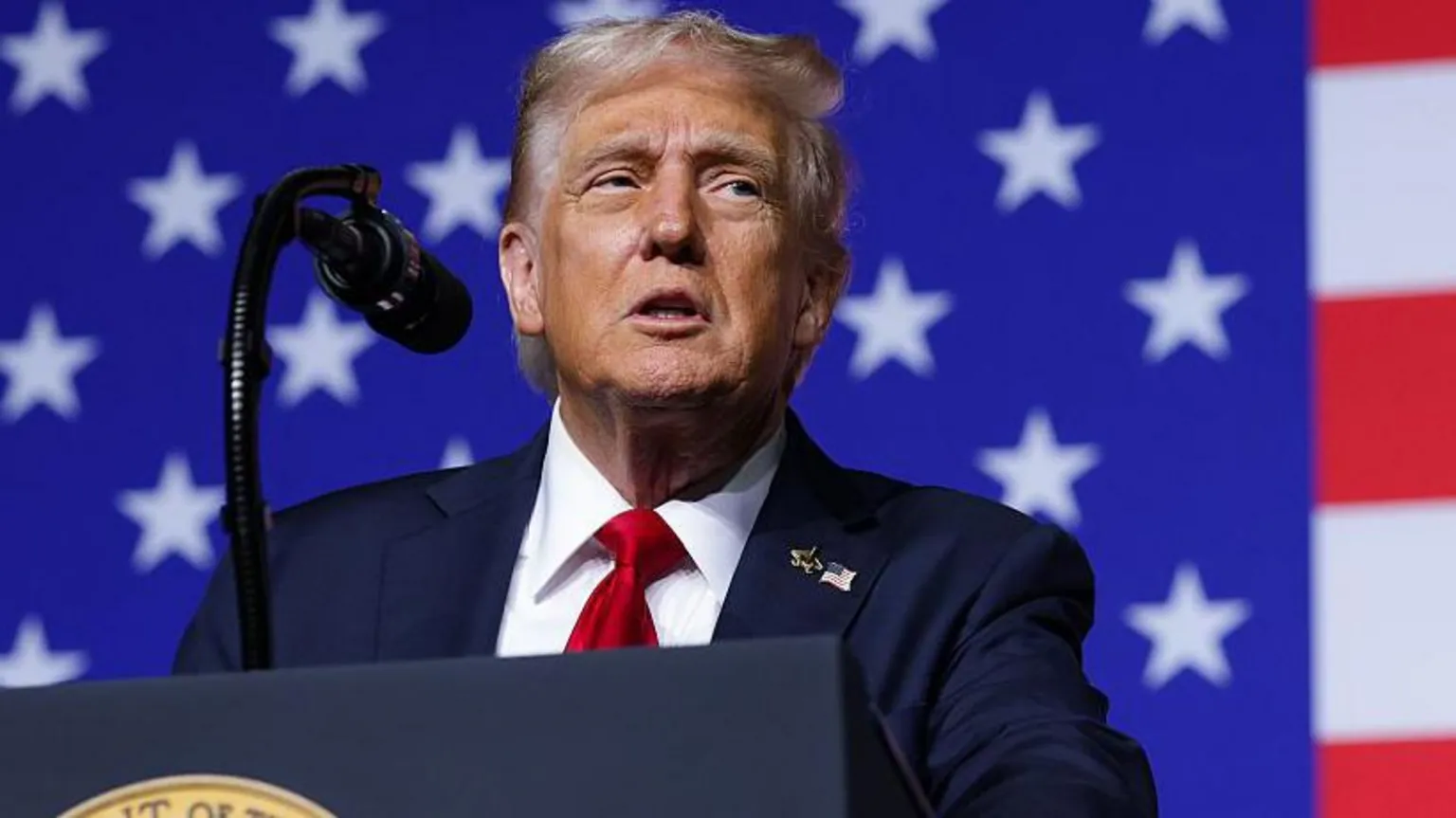
President Donald Trump has reignited debate over national security and fiscal priorities. He called for a dramatic expansion of United States military spending, proposing a defense budget of $1.5 trillion for 2027. The figure would represent a sharp escalation from the current $901 billion allocation approved by Congress. This positions defense as the central pillar of federal spending in what Trump described as an increasingly unstable global environment.
The proposal reflects a broader strategic vision that emphasizes military readiness, accelerated weapons production, and expanded industrial capacity. According to Trump, the funding increase would allow the country to build what he referred to as a “Dream Military.” This military is capable of responding rapidly to threats across multiple regions while maintaining technological superiority. The administration argues that revenue generated through trade tariffs could help offset the fiscal impact. This comes despite longstanding concerns about budget deficits and long-term debt sustainability.
Pressure on defense contractors and industrial expansion
Beyond the headline spending figure, Trump’s remarks signal a tougher stance toward major defense contractors. The administration has indicated that companies benefiting from federal defense contracts will face increased scrutiny over executive compensation, shareholder payouts, and production timelines. Trump criticized what he views as excessive stock buybacks and executive salaries. He argues that capital should instead be directed toward expanding manufacturing capacity and accelerating delivery schedules.
Major contractors such as Lockheed Martin y Northrop Grumman stand to benefit from higher overall spending. However, they may also face tighter contractual conditions tied to output and reinvestment. Trump has made clear that firms unwilling to modernize facilities or increase production risk losing access to lucrative government contracts. This approach aligns with the administration’s push to revitalize domestic manufacturing and reduce reliance on extended supply chains during periods of conflict.
The president has been particularly vocal about the need for new plants and upgraded equipment. He frames defense manufacturing as both a national security imperative and an economic strategy aimed at job creation and industrial resilience.
Market reaction and fiscal debate
Financial markets reacted quickly to Trump’s announcement. Shares of major defense companies rose in extended trading as investors anticipated increased government contracts and long-term revenue growth. However, economists and policy analysts continue to warn that sustained increases in military spending could intensify fiscal pressures unless matched by corresponding revenue growth.
Trump has countered these concerns by pointing to tariff income and broader economic expansion. He argues these are mechanisms that could support higher defense outlays. A strong military, he claims, underpins economic stability, deterring conflicts that could disrupt global trade and investment. The administration has also emphasized oversight mechanisms through institutions such as the US Department of Defense. This ensures funds are directed toward operational readiness rather than inefficiencies.
At the same time, Trump’s comments on executive pay caps mark a notable shift. The proposals include limits to compensation to $5 million for defense industry leaders. This marks a shift toward intervention in corporate governance within the sector.
Global security backdrop shaping policy
The push for expanded defense spending comes amid escalating geopolitical tensions across multiple regions. Recent military operations and enforcement actions, combined with increased military exercises by rival powers, have heightened concerns about readiness and deterrence. The administration has framed the proposed budget as a proactive response. The international landscape is marked by sanctions enforcement, regional conflicts, and strategic competition.
Trump has also highlighted the pace of weapons production as a critical vulnerability. He argues that existing manufacturing timelines are incompatible with modern conflict scenarios. By linking budget increases to production speed and infrastructure investment, the administration seeks to reshape how defense resources are allocated and deployed.
Oversight bodies such as the Congressional Budget Office are expected to play a central role. They will evaluate the long-term implications of the proposed spending increase, particularly its impact on deficits and economic stability. Nevertheless, the administration remains firm in its position that military strength is a prerequisite for national security and global influence.
As the proposal moves into broader political and legislative debate, it underscores a fundamental shift in US defense strategy. This shift prioritizes scale, speed, and industrial capacity in response to what the White House characterizes as a rapidly evolving and increasingly dangerous world.