Donald Trump’s sudden and highly coordinated operation in Venezuela has altered the political conversation in Washington and beyond, forcing Americans and international observers to reassess long-standing assumptions about U.S. foreign intervention. The overnight raid that resulted in the capture of Nicolás Maduro and his transfer to New York to face drug trafficking charges marked one of the most dramatic U.S. actions in Latin America in decades. While the operation was swift, the political and strategic implications are far from settled.
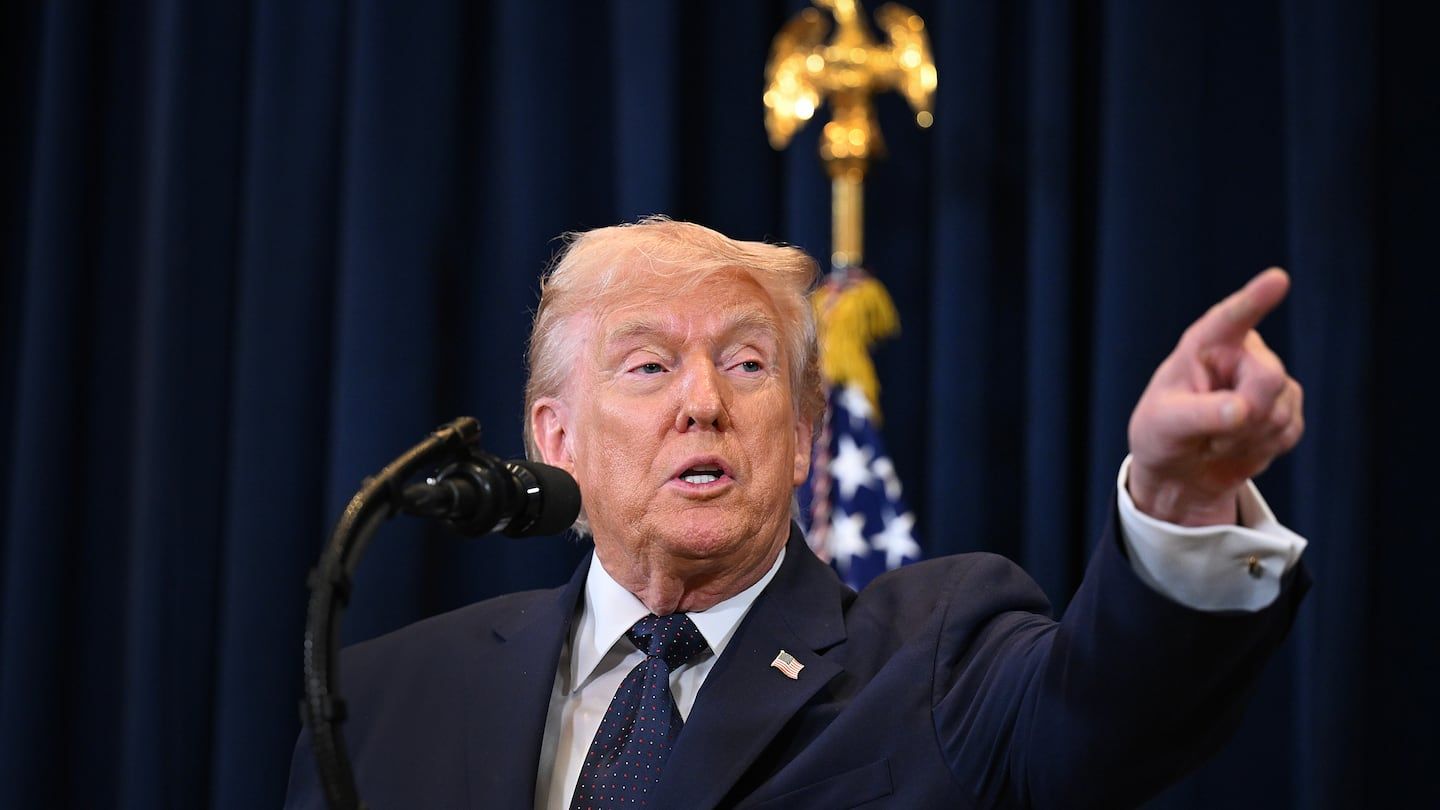
Trump, who built much of his political identity around opposition to prolonged overseas conflicts, has now overseen direct military action across multiple regions, including Latin America. In public remarks following the operation, he stated that the United States would oversee Venezuela’s governance temporarily until a new leadership structure could be established. That declaration alone has placed the country at the center of a broader debate about executive power, international law, and the future of American influence abroad.
The administration framed the move as necessary to restore order and confront transnational crime networks allegedly protected by the Maduro government. References to narcotics trafficking and security threats have been repeatedly emphasized, linking the operation to broader U.S. counter-drug strategies already outlined by agencies such as the U.S. Department of Justice (https://www.justice.gov) and the Drug Enforcement Administration (https://www.dea.gov). By tying the raid to existing indictments and legal processes, the White House has sought to ground the action in law enforcement logic rather than traditional regime-change rhetoric.
A Break From Non-Interventionist Campaign Promises
Trump’s Venezuela incursion stands in sharp contrast to his earlier campaign messaging that criticized previous administrations for engaging in what he described as costly and ineffective interventions. Yet, since returning to office, his approach has increasingly leaned toward decisive, high-impact actions. Supporters argue that this reflects pragmatism rather than inconsistency, pointing to the speed of the operation and the absence of prolonged troop deployment.
The president’s assertion that the United States will help manage Venezuela’s transition has drawn comparisons to earlier interventions where the lack of a clear post-operation plan proved destabilizing. Analysts note that Trump’s language suggests a temporary administrative role rather than long-term occupation, though specifics remain limited. Discussions about economic stabilization and energy infrastructure have already surfaced, particularly given Venezuela’s vast oil reserves and their relevance to global markets tracked by institutions such as the U.S. Energy Information Administration (https://www.eia.gov).
Marco Rubio’s Expanding Influence in Latin America Policy
One of the most notable political dimensions of the Venezuela operation is the prominent role played by Secretary of State Marco Rubio. Long regarded as a hardliner on Latin American affairs, Rubio has emerged as a central architect and defender of the administration’s strategy. His visibility underscores how much influence he now wields within Trump’s inner circle, especially on regional security issues.
Rubio’s dual emphasis on democratic restoration and containment of illicit networks aligns with long-standing U.S. policy frameworks outlined by the U.S. Department of State (https://www.state.gov). His attempt to characterize the action as a form of “quarantine” rather than an invasion reflects an effort to manage both domestic and international reactions, particularly among allies concerned about precedent.
Political Risks and Messaging Challenges at Home
Domestically, the operation has exposed familiar partisan fault lines. Republican leaders have largely rallied behind Trump, framing the move as a demonstration of strength and accountability. Conservative media ecosystems have amplified arguments that emphasize justice, security, and the symbolic reach of U.S. law enforcement beyond national borders.
Democrats, meanwhile, face a strategic dilemma. While some leaders have questioned the legality of the operation and called for congressional oversight, others worry that focusing solely on procedural arguments could be politically risky. The broader electorate remains more concerned with economic stability, inflation, and cost-of-living pressures, issues closely monitored by institutions like the U.S. Treasury Department (https://home.treasury.gov). How opposition leaders balance constitutional concerns with public sentiment may shape upcoming electoral cycles.
What Comes After the Operation
The most consequential questions surrounding Trump’s Venezuela incursion center on what happens next. History has shown that removing a leader is often easier than managing the aftermath. Trump himself acknowledged the United States’ mixed record in post-intervention governance, yet offered few details about a long-term roadmap.
Reconstruction, political legitimacy, and regional stability will test the administration’s strategy in the months ahead. Whether this operation becomes a model for targeted intervention or a cautionary tale will depend largely on how Venezuela’s transition unfolds and how the United States navigates the delicate balance between influence and restraint in the Western Hemisphere.