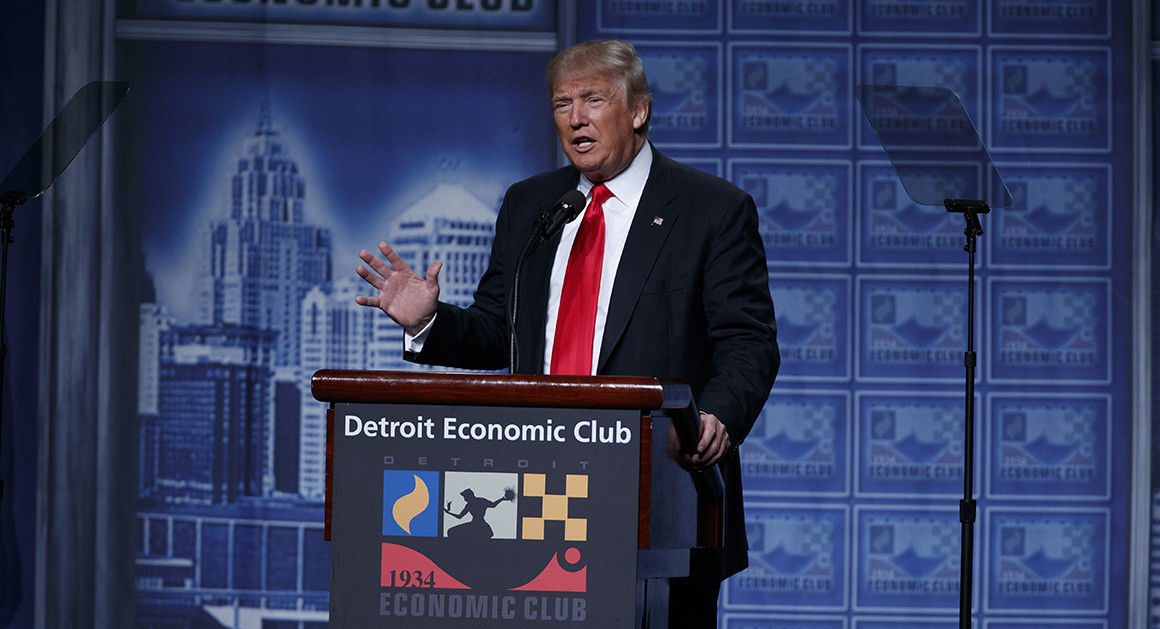
Trump Focuses on U.S. Economy in Detroit Speech as Midterms Loom
President Donald Trump is making a highly anticipated domestic trip to Detroit, Michigan, where he is scheduled to speak at the Detroit Economic Club and tour a Ford factory in Dearborn that produces F-150 pickups, underscoring his effort to redirect national attention to the economy ahead of the 2026 midterm elections.
After weeks dominated by foreign policy headlines, Trump’s visit highlights the White House’s decision to put economic issues such as manufacturing, inflation, and affordability front and center in a political environment where voter concerns over the cost of living now outweigh many other issues.
Economic Strategy and Manufacturing Focus
Trump’s speech at the Detroit Economic Club — a key platform for business leaders — comes amid a backdrop of fluctuating manufacturing jobs and ongoing debates about trade policy. In recent months, U.S. factory employment has shown signs of strain, with national trends indicating a modest decline in manufacturing jobs, even as Trump consistently points to tariffs and trade measures as catalysts for domestic job creation.
At the Ford plant in Dearborn, where F-150 pickups are assembled, Trump is expected to emphasize his administration’s stance on manufacturing and national self-sufficiency. This visit ties into broader debates on industrial competitiveness and reflects his appeal to voters in states with deep roots in American manufacturing. Industry analysts say that leaders from major auto companies are watching closely, as policy decisions on tariffs and trade agreements have significant impacts on global supply chains and domestic operations.
To explore how automotive industry developments shape broader economic trends, see the latest coverage at Automotive News. For insights into manufacturing workforce shifts, check Bureau of Labor Statistics reports.
Voter Sentiment and Affordability Concerns
Despite economic growth in certain sectors, many Americans — including a majority in key swing states like Michigan — express skepticism about broader economic conditions and their personal financial stability. Data from regional surveys show that a plurality of Michigan voters believe the economy is on the wrong track, with inflation and rising costs cited as leading concerns.
Nationally, polling indicates that Trump’s approval rating on handling the economy has dropped significantly compared to previous years, with many voters feeling price pressures on essentials such as housing, groceries, and energy costs. This reflects a disconnect between official economic indicators and household experiences, a key challenge the Trump administration now seeks to address in public messaging.
For context on national public opinion, browse current poll results at Gallup and Pew Research Center.
Policy Proposals and Political Impact
In public statements leading up to his Detroit trip, Trump has highlighted achievements such as lower gas prices and reduced mortgage rates, while also proposing potential policies like capping credit card interest rates and expanding affordable housing initiatives. The administration also plans to reiterate tax refund benefits, particularly as household budgets remain under strain.
As Trump delivers his speech and engages with business leaders and workers in Detroit, analysts say the trip could set the tone for how economic issues are framed ahead of critical congressional races later this year. With manufacturing and affordability topping voter concerns, his remarks in Michigan may signal broader Republican strategy to shift the narrative toward economic growth and job security.
To understand how economic policy influences political outcomes, visit Brookings Institution or The Economic Policy Institute for deeper analysis.