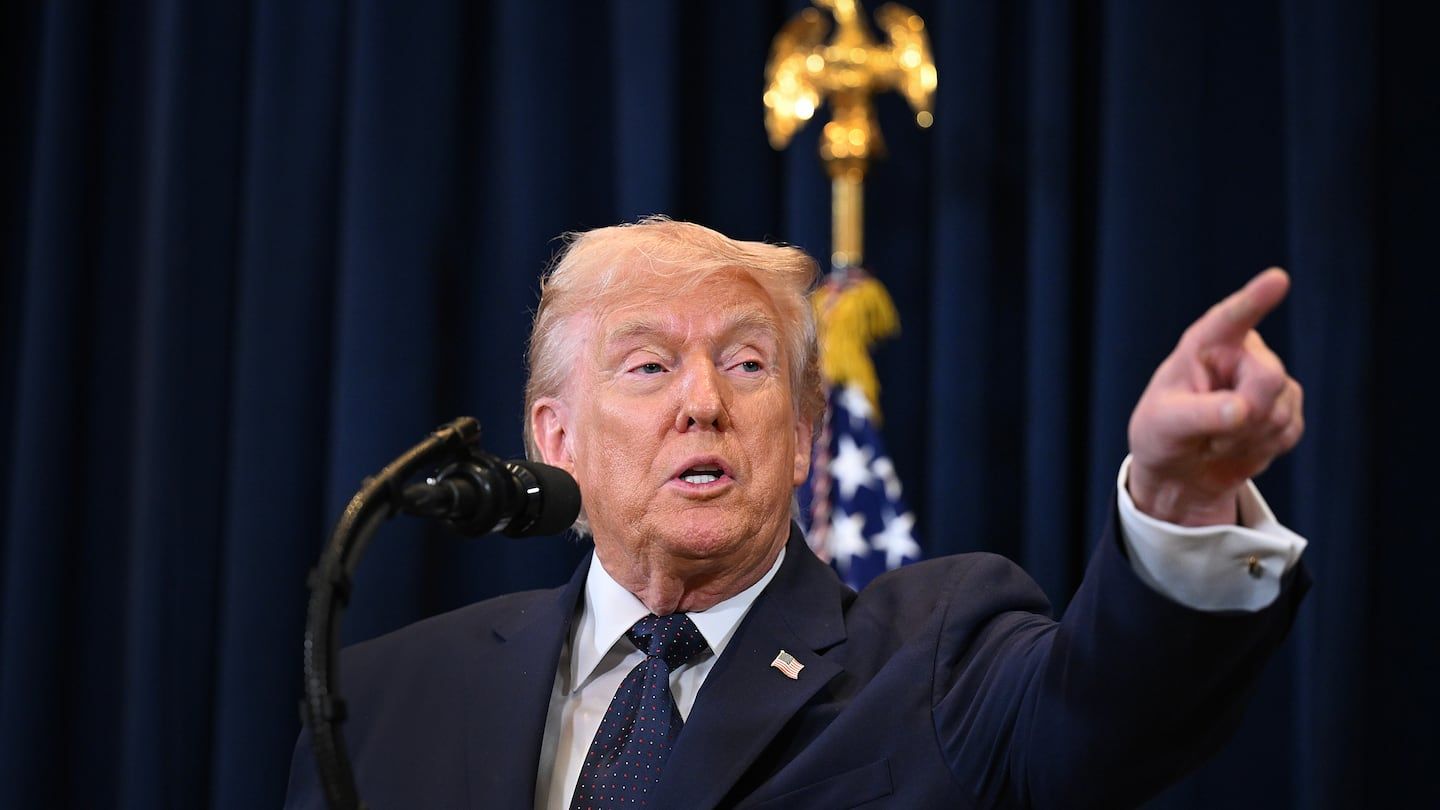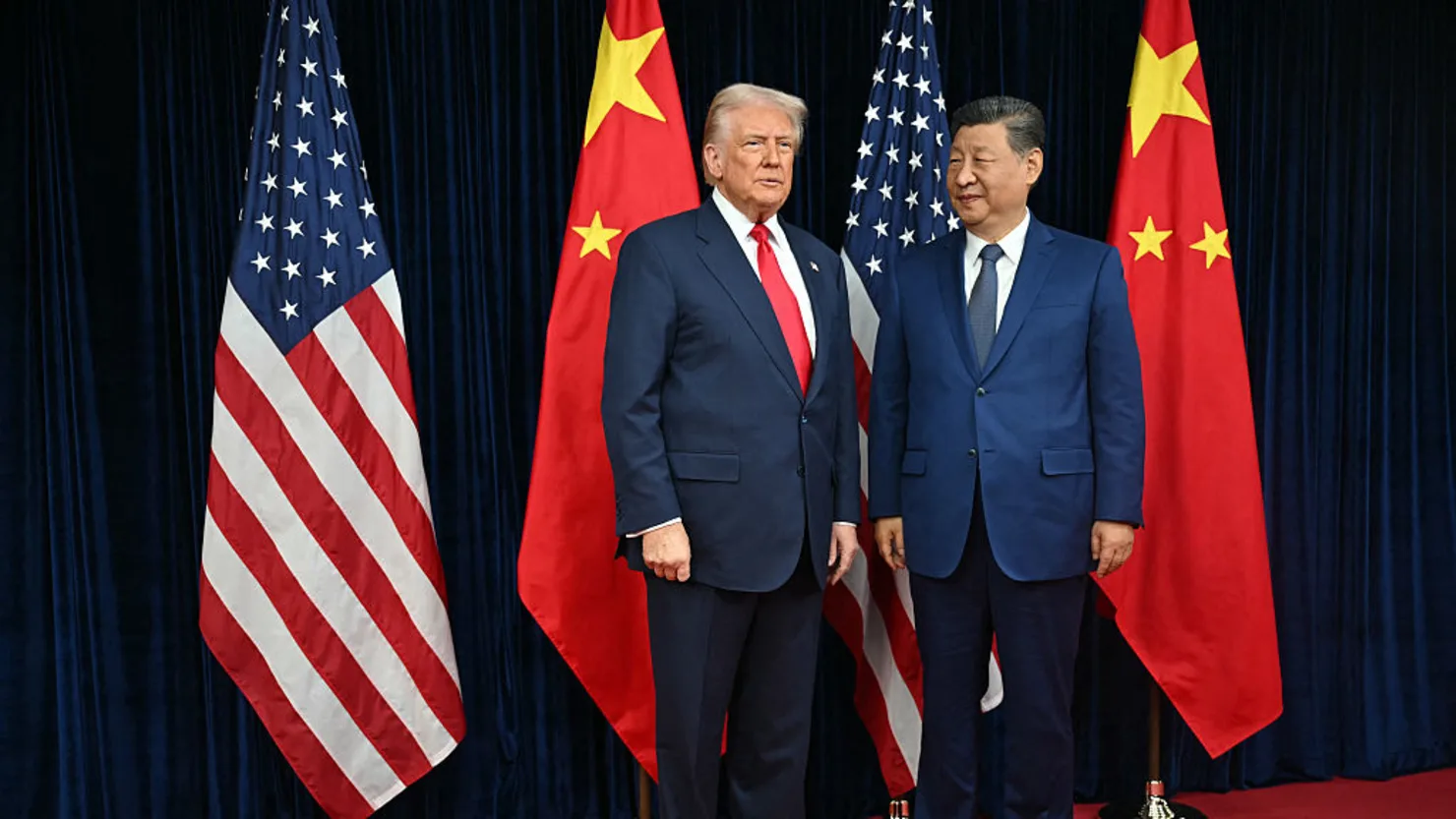
Tensions between the United States and China have intensified again as Washington launches a sweeping investigation into trade practices that could significantly influence negotiations between the two economic superpowers. The inquiry comes only weeks before a planned meeting between U.S. President Donald Trump and Chinese President Xi Jinping in Beijing, raising the stakes ahead of what is already expected to be a complex diplomatic encounter.
The investigation is being carried out under the authority of Section 301 of the Trade Act of 1974, a powerful legal mechanism that allows the United States to respond to what it considers unfair trade practices by foreign governments. Officials say the probe will review a wide range of manufacturing and industrial policies, with particular attention given to sectors where global markets have long accused China of maintaining significant production overcapacity.
Although the investigation technically covers several trading partners, analysts widely interpret the move as a direct signal to Beijing. The timing—just weeks before the leaders’ summit—suggests Washington is seeking to strengthen its negotiating leverage during upcoming discussions that could shape trade policy for years to come.
Washington Revives Section 301 Pressure
The renewed use of Section 301 reflects a strategic shift by the U.S. administration as it searches for tools to influence trade negotiations. The mechanism allows the president to impose tariffs or other penalties on countries determined to have violated fair trade standards, without requiring additional approval from Congress.
Trade analysts note that the United States has used this authority before to confront Chinese industrial policies. Investigations under the same law during previous administrations resulted in tariffs affecting hundreds of billions of dollars in imports.
Recent economic data has intensified concerns among policymakers in Washington. Chinese exports surged by 21.8% in the first two months of the year compared with the same period previously, helping drive a record trade surplus of $213.6 billion. According to figures compiled by World Trade Organization, China remains one of the world’s most dominant exporters in key manufacturing sectors, including electronics, machinery, and industrial materials.
Critics argue that structural policies in China—including state subsidies and production incentives—have contributed to global imbalances. The new probe is expected to examine these issues closely, alongside allegations involving labor practices and supply-chain distortions.
Summit Preparations Amid Global Uncertainty
The timing of the investigation adds another layer of uncertainty to the diplomatic environment surrounding the upcoming meeting between Trump and Xi. The summit, scheduled for late March, will mark the first visit by a U.S. president to China since 2017 and is expected to focus heavily on trade and technology policy.
Negotiators from both sides are reportedly preparing preliminary discussions in advance of the meeting. However, analysts caution that expectations for sweeping agreements remain limited. Instead, the talks may focus on stabilizing relations and maintaining the fragile trade truce that has existed since late last year.
Trade experts suggest the United States could push for expanded Chinese purchases of American agricultural products, including soybeans, while also seeking commitments regarding industrial exports and rare earth minerals. According to data tracked by the U.S. International Trade Commission, agricultural commodities remain one of the largest categories of American exports to China.
At the same time, Beijing is likely to raise concerns about U.S. restrictions on advanced technology exports, an issue that has increasingly shaped economic competition between the two nations.
Energy Tensions and Strategic Calculations
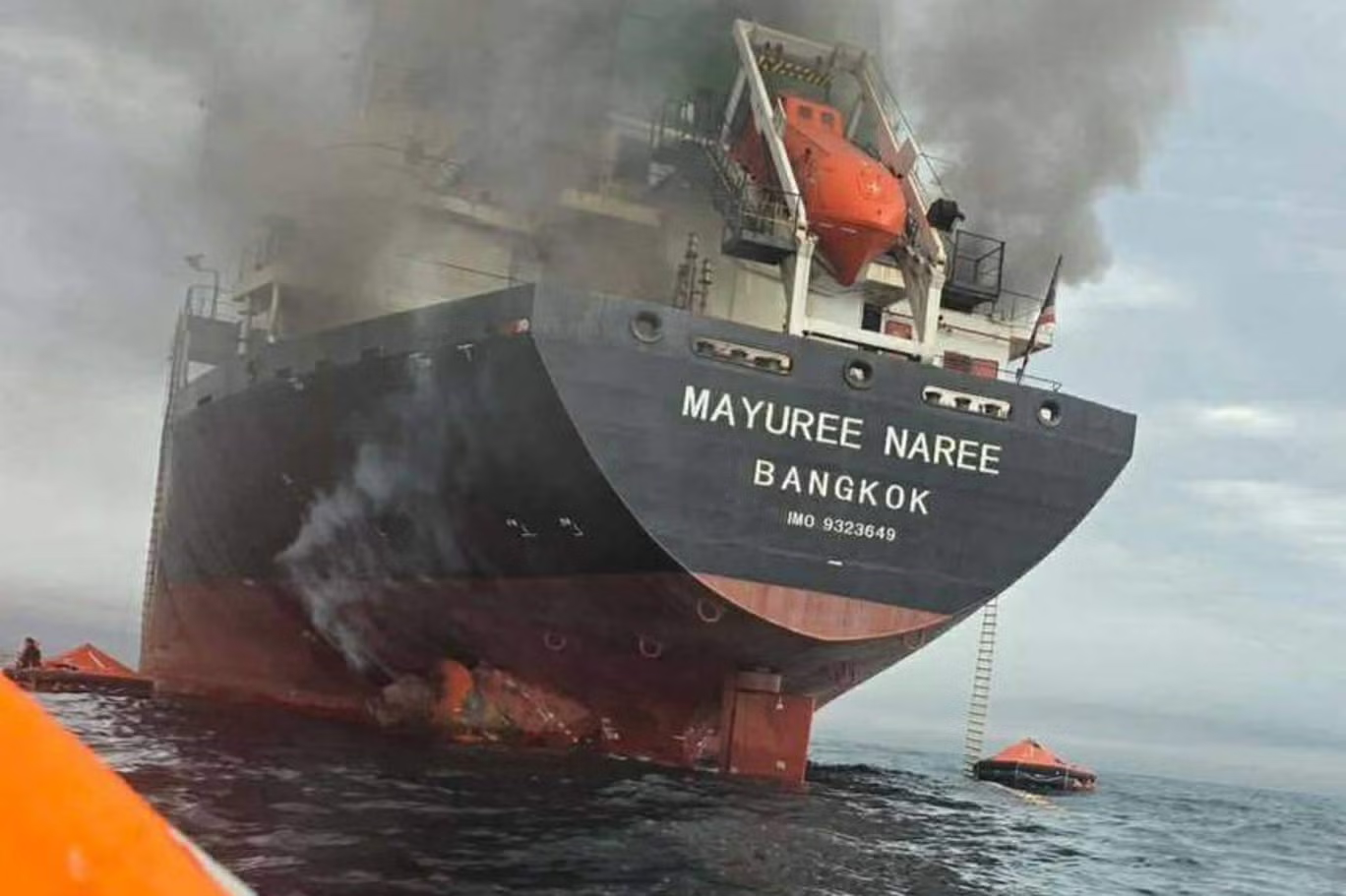
The geopolitical environment surrounding the summit has also grown more volatile due to developments in the Middle East. Recent conflict involving Iran has raised concerns about disruptions to global energy supply routes, particularly in the Strait of Hormuz.
This strategic waterway carries roughly one-fifth of the world’s oil shipments. Any prolonged disruption could affect energy markets and increase economic pressure on countries that rely heavily on imported crude.
China is one of the largest buyers of Iranian oil, making stability in the region a key priority for Beijing. Data from the U.S. Energy Information Administration shows that global oil supply routes through the Strait of Hormuz remain critical for maintaining steady energy flows to major economies in Asia.
Diplomatic observers believe the combination of trade disputes, geopolitical tensions, and economic competition will shape the atmosphere surrounding the leaders’ meeting. Both sides appear focused on maintaining a degree of stability while preserving strategic leverage in negotiations that could continue throughout 2026.