One year after pledging to cut household energy bills by 50%, the real-world impact of U.S. energy policy presents a sharply divided picture. While gasoline prices have declined, electricity costs continue to rise across most regions, placing financial pressure on millions of households. The gap between campaign rhetoric and market realities highlights the complexity of energy pricing in a globalized economy where presidential influence remains indirect.
Crude oil prices have fallen roughly 20% year over year, helping bring average gasoline prices down close to 10%. This shift has translated into meaningful savings for drivers, with U.S. households spending approximately $177 less on fuel compared to the previous year, resulting in nationwide savings exceeding $11 billion. However, analysts emphasize that oil prices are largely dictated by global supply dynamics, including production decisions by exporting nations and demand fluctuations tied to economic growth.
Market data tracked by the U.S. Energy Information Administration shows that global oversupply has played a central role in suppressing oil prices, limiting incentives for domestic producers to expand drilling operations despite regulatory rollbacks and expanded access to federal lands.
Lower Oil Prices Clash With Domestic Production Goals
The promise to “unleash” domestic energy production has collided with an inconvenient economic reality: oil prices below $60 per barrel discourage new drilling investment. As a result, the number of active drilling rigs in the United States has declined more than 6% compared to last year, even as federal leasing opportunities have increased.
This tension underscores a longstanding conflict within energy policy. Consumers benefit from cheaper fuel, while producers require higher prices to justify capital-intensive exploration. According to market analysis from the American Petroleum Institute, industry profitability depends not only on regulatory conditions but also on price stability that supports long-term planning.
Despite reduced drilling activity, policy changes have favored the oil and gas sector through tax adjustments, expanded export approvals, and relaxed environmental rules. These measures reduce operating costs and are expected to support production capacity over the longer term, even if short-term drilling slows. The strategic emphasis has shifted toward maintaining competitiveness and preparing for future demand rather than immediate output growth.
Electricity Prices Continue to Climb Nationwide
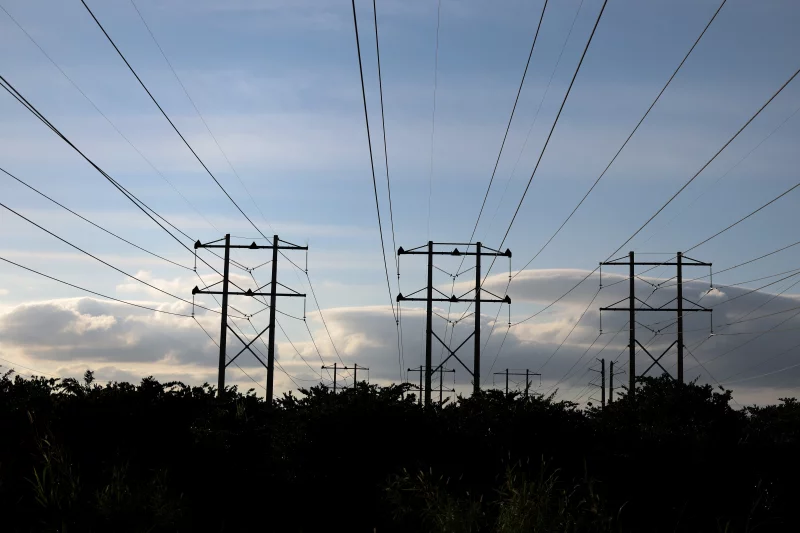
While fuel costs have eased, electricity prices have followed the opposite trajectory. Wholesale power prices have risen sharply in key regions, with increases exceeding 60% in parts of the Northeast and 45% in mid-Atlantic markets. These costs are passed directly to consumers, contributing to higher monthly utility bills for more than 80 million Americans.
Data published by the Federal Energy Regulatory Commission indicates that aging grid infrastructure, rising natural gas prices, and increased climate-related repair costs are major drivers of these increases. Natural gas prices alone have risen more than 50% from last year’s average, significantly affecting electricity generation costs in gas-dependent regions.
Policy decisions have also influenced long-term price trajectories. The extension of coal plant operations and reduced incentives for renewable energy investment may stabilize supply in the short term but risk higher operating costs over time. According to cost comparisons from Lazard, utility-scale solar and wind projects remain among the most cost-competitive energy sources, yet uncertainty around permitting and tax incentives has slowed new capacity additions.