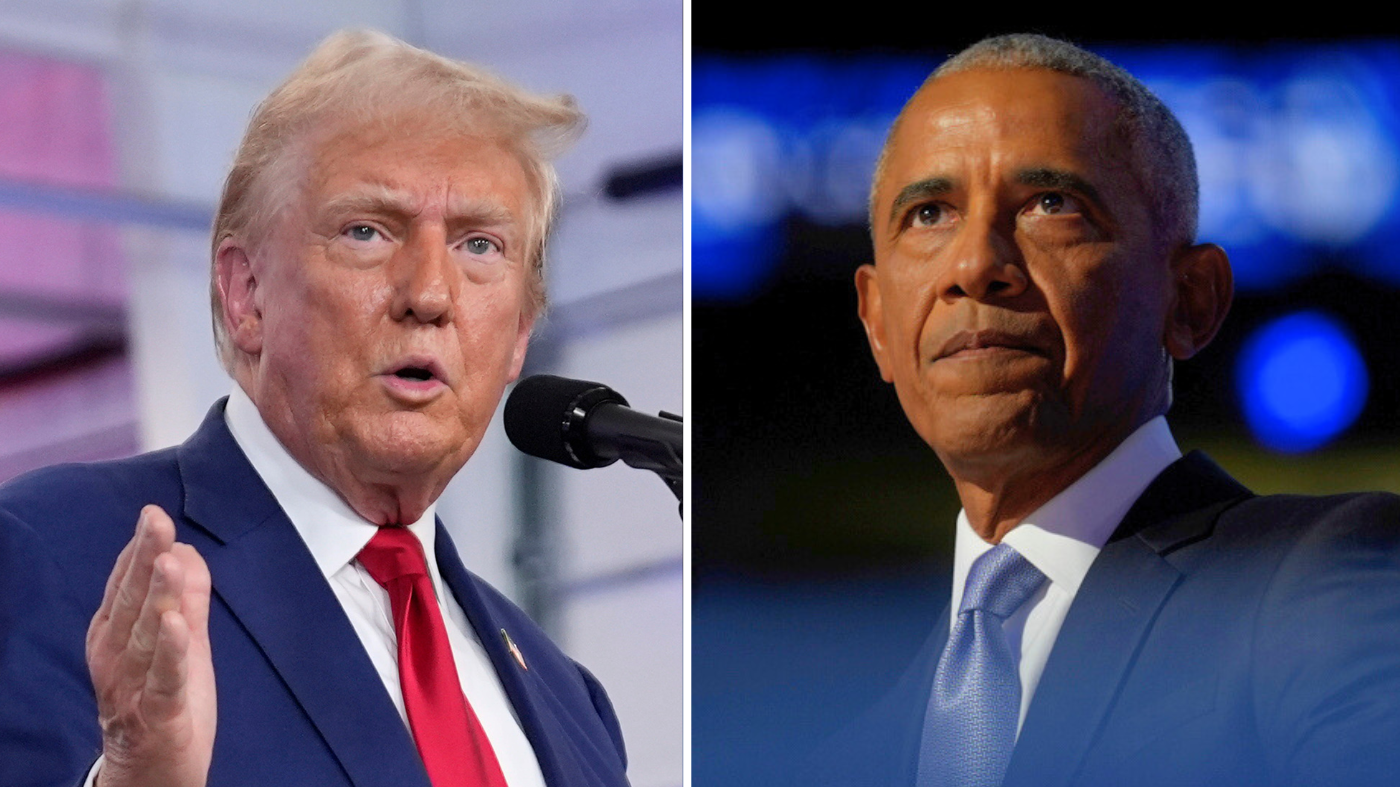
President Donald Trump ignited a national controversy after posting and later deleting a racially offensive meme portraying former President Barack Obama and former First Lady Michelle Obama as apes. The post appeared during the first week of Black History Month and immediately drew widespread condemnation from political leaders, civil rights advocates, and social media users across the country. The video clip, shared on Trump’s Truth Social platform, reinforced long-standing racist tropes that have historically been used to demean and dehumanize Black communities in the United States.
The White House attributed the incident to a staff error, claiming the content was posted “erroneously.” However, the explanation did little to calm public outrage. The episode once again placed Trump’s rhetoric and online conduct under intense scrutiny, reopening debates about political responsibility, racial sensitivity, and the influence of social media in shaping public discourse. The controversy also fueled renewed discussions about the broader climate of political polarization and the normalization of extreme content in digital political communication.
Political Fallout and Bipartisan Criticism
The reaction to the post was swift and severe, cutting across party lines. Several lawmakers, including Republicans who have previously aligned themselves with Trump, publicly condemned the content and demanded accountability. Senator Tim Scott of South Carolina, one of the most prominent Black Republicans in Congress, said he was deeply disturbed and expressed hope that the post was fabricated. His comments underscored the seriousness of the issue and highlighted the growing discomfort among some GOP members regarding Trump’s online conduct.
Democratic leaders also denounced the post, calling it offensive, divisive, and harmful. Civil rights organizations such as the NAACP emphasized that depictions comparing Black people to animals have historically been used to justify slavery, segregation, and systemic discrimination. They urged political leaders to take a firm stance against any form of dehumanizing imagery and rhetoric. Resources on the history and impact of racial stereotyping can be found through educational platforms such as the NAACP website at https://naacp.org, which documents the long-standing struggle against racist narratives and imagery.
The backlash extended beyond Washington, as advocacy groups, community leaders, and educators used the incident to raise awareness about the real-world consequences of online hate. Many stressed that such content, when shared by influential political figures, can legitimize prejudice and deepen social divisions.
Digital Platforms, Misinformation, and Political Responsibility
The incident also reignited debates about the role of social media platforms in moderating political content and curbing misinformation. Trump’s post was part of a broader late-night series of messages that promoted conspiracy theories related to the 2020 election, narratives that have been repeatedly debunked by federal agencies and independent experts. According to the Cybersecurity and Infrastructure Security Agency at https://www.cisa.gov, the 2020 election was one of the most secure in U.S. history, contradicting persistent claims of widespread fraud.
Experts in digital governance argue that the rapid spread of inflammatory and misleading content underscores the urgent need for stronger safeguards, particularly when such posts originate from prominent public figures. Academic research published by institutions like Harvard Kennedy School (https://www.hks.harvard.edu) highlights how online disinformation can erode public trust, weaken democratic institutions, and amplify extremist narratives.
In response to the controversy, calls intensified for clearer standards of conduct for elected officials online, as well as more robust content moderation policies on platforms that host political discourse. Advocates argue that transparency, accountability, and digital literacy are essential to protecting democratic values in an increasingly interconnected media landscape.
Historical Context and the Impact on Race Relations
Trump’s history of racially charged statements has repeatedly drawn criticism, particularly regarding his promotion of false claims questioning Barack Obama’s birthplace and remarks about African nations. The resurfacing of racist imagery during Black History Month added another layer of symbolic weight to the controversy, intensifying public reaction.
Organizations dedicated to documenting and combating racial discrimination, such as the Southern Poverty Law Center at https://www.splcenter.org, note that public figures play a crucial role in shaping societal norms. When leaders engage in or tolerate racist content, it can contribute to an environment where prejudice becomes normalized and discrimination persists.
The incident has also reignited conversations about the importance of education, historical awareness, and civic responsibility. Educational institutions and policy organizations, including the National Museum of African American History and Culture (https://nmaahc.si.edu), emphasize the need to confront harmful stereotypes and promote a more inclusive understanding of American history.
As the nation continues to grapple with questions of racial justice, political accountability, and the power of digital communication, the controversy surrounding Trump’s deleted post stands as a reminder of the enduring impact of words and images. The episode underscores the ongoing challenges facing a society striving to balance free expression with respect, responsibility, and equality.