President Donald Trump has signaled plans to delay a highly anticipated diplomatic visit to China, citing the ongoing conflict involving Iran as a key factor behind the decision. The trip, initially scheduled to take place between late March and early April, is now expected to be pushed back by approximately one month as the administration prioritizes managing escalating military and geopolitical developments.
Speaking from Washington, Trump emphasized the importance of remaining in the United States during a period of heightened international tension. The conflict has quickly become the central focus of U.S. foreign policy, affecting not only military strategy but also global economic stability and energy markets.
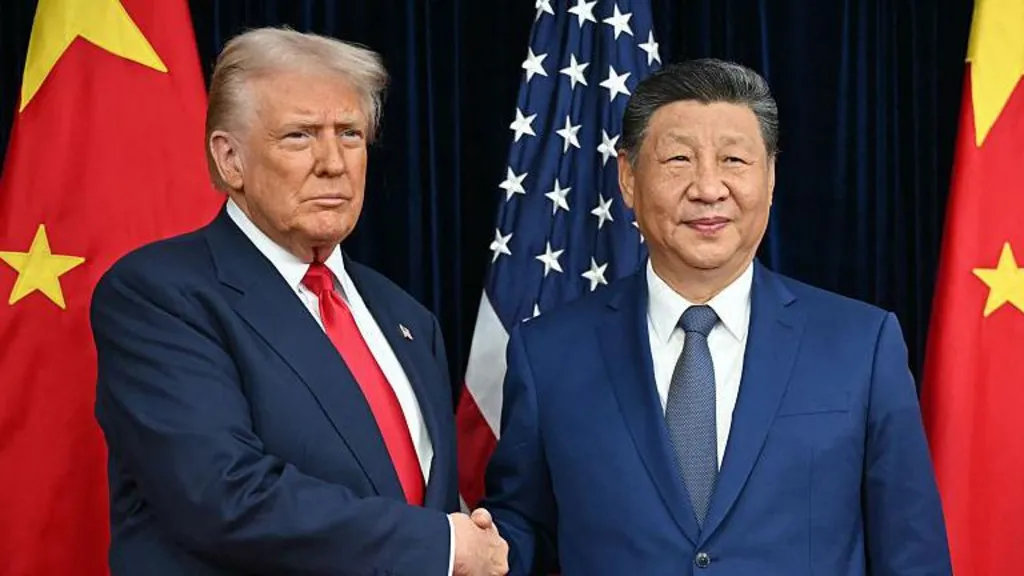
The planned meeting with Chinese President Xi Jinping was expected to address a range of issues, including trade relations, tariffs, and broader economic cooperation between the world’s two largest economies. Diplomatic coordination continues behind the scenes, with both sides discussing scheduling adjustments and ongoing negotiations through official channels such as the U.S. Department of State.
Diplomatic Timing Shifts as War Intensifies
The delay underscores how rapidly shifting geopolitical conditions can disrupt even the most carefully planned diplomatic engagements. The Iran conflict has introduced new uncertainties, particularly as tensions in the Middle East begin to affect global oil flows and security dynamics.
Trump stated that his decision is driven by the need to remain available for direct oversight of military operations and strategic coordination. Officials within the administration have echoed this position, noting that international travel during an active conflict could limit the president’s ability to respond quickly to developments.
Chinese authorities have confirmed that discussions are ongoing regarding the timing of the visit. Representatives speaking on behalf of Beijing indicated that both countries remain in communication, working through logistical and diplomatic considerations tied to the postponement.
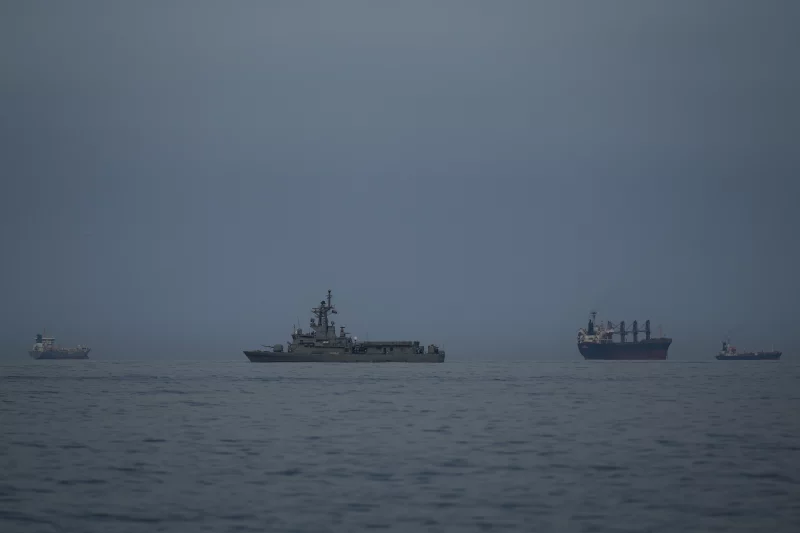
At the same time, Chinese officials have dismissed speculation linking the delay to disputes over maritime security in the Persian Gulf. The Strait of Hormuz, a vital route for global oil shipments, remains a sensitive issue in international discussions. Data tracked by the U.S. Energy Information Administration highlights the waterway’s importance in maintaining stable global energy supply.
Economic Tensions Continue Alongside Negotiations
Beyond the immediate impact of the war, economic friction between Washington and Beijing continues to shape bilateral relations. Trade disputes, tariffs, and investment restrictions remain key points of negotiation, even as both countries seek to maintain broader economic stability.
Recent meetings between U.S. and Chinese officials have taken place in Europe, where delegations discussed trade policies and regulatory concerns. Topics included adjustments to tariff structures and the potential impact of new investigations into international trade practices.
Financial authorities, including representatives connected with the U.S. Department of the Treasury, have indicated that the delay in the presidential visit is not directly tied to trade disagreements. Instead, the primary motivation remains the need for leadership presence during a period of military engagement.
Chinese negotiators have raised concerns about the potential consequences of expanded trade scrutiny, urging the United States to maintain a stable economic environment. Both sides have acknowledged areas of progress in negotiations, while also recognizing that significant differences remain unresolved.
Global Implications of Delayed Engagement
The postponement of the meeting comes at a time when global markets are closely monitoring developments in both the Middle East and U.S.-China relations. Any disruption in diplomatic communication between the two largest economies has the potential to influence financial markets, supply chains, and investor confidence.
Energy markets, in particular, remain sensitive to geopolitical developments. The ongoing conflict has already contributed to volatility in oil prices, with supply concerns linked to disruptions in key shipping routes. International organizations such as the International Monetary Fund have previously highlighted how geopolitical instability can ripple across global economies, affecting growth forecasts and inflation trends.
Despite the delay, Trump reiterated his intention to meet with Xi Jinping in the near future, describing the relationship between the two leaders as constructive. Diplomatic teams on both sides continue to coordinate schedules and policy discussions, even as broader geopolitical challenges reshape the timing and priorities of high-level engagement.