Wall Street landlords are facing an unusual wave of bipartisan scrutiny as both President Trump and leading Democrats push to limit the role of large institutional investors in the U.S. housing market. The renewed political attention comes as families across the country continue to struggle with record-high home prices, tight inventory, and competition from all-cash investor bids that have reshaped local real estate markets over the past five years.
The issue gained momentum after Trump announced his intention to ban large institutional investors from buying additional single-family homes, arguing that corporate ownership has driven up housing costs and made homeownership less accessible for middle-class families. The proposal has found surprising support among progressive lawmakers who have long advocated for restrictions on investor-owned housing. While the policy details remain unclear, the political convergence reflects growing frustration among voters who feel priced out of their communities.
Institutional investors accelerated their home purchases during the low-interest-rate period of 2020 and 2021, when mortgage rates dropped below 3% and housing demand surged nationwide. Firms backed by private equity and asset management giants acquired tens of thousands of properties, often outbidding families with cash offers and rapid closing timelines. According to data from the Urban Institute, corporate landlords now control a significant share of rental homes in fast-growing Sunbelt and Midwest metro areas, where population growth and job expansion have fueled sustained housing demand.
Local Governments Push Back Against Investor Ownership
In Fishers, Indiana, a rapidly growing suburb near Indianapolis, city officials moved forward with one of the most aggressive local responses to institutional homeownership in the country. The city enacted a new ordinance that caps rental properties at 10% per neighborhood after internal data showed that investor ownership in some communities had climbed as high as 38%. The policy took effect on January 1 and is already drawing national attention as a potential model for other municipalities.
Mayor Scott Fadness said the measure was necessary to preserve opportunities for first-time buyers and prevent neighborhoods from becoming dominated by absentee landlords. He emphasized that homeownership has historically served as a key source of generational wealth in the United States and warned that unchecked investor activity could permanently alter that dynamic. Local officials also cited concerns about code enforcement and maintenance challenges when properties are owned by out-of-state corporations with limited community ties.
Realtor organizations initially opposed the cap, arguing that it restricts private property rights and could reduce seller profits by limiting buyer competition. Despite heavy lobbying from outside interests, the City Council approved the ordinance unanimously. Housing advocates across the country are closely watching the results, as similar proposals in other states have failed to gain legislative traction. Policy researchers at the National Association of Realtors note that local zoning and land-use regulations often play a critical role in shaping housing availability and affordability.
Economists Question the Direct Link to Rising Prices
While political momentum is building, economists caution that institutional investors are not the primary driver of America’s housing affordability crisis. Laurie Goodman of the Housing Finance Policy Center has argued that investor activity tends to concentrate in already fast-growing areas where prices are rising due to strong job markets and limited housing supply. In many cases, investors purchase distressed or outdated properties that typical buyers lack the financing or expertise to renovate.
Nationally, the largest corporate landlords own approximately 3% of all single-family rental homes, though their market share is significantly higher in certain metro areas. Analysts at the U.S. Energy Information Administration and other federal agencies tracking economic growth trends point out that population shifts, construction delays, and zoning restrictions are the dominant factors behind sustained price increases. High interest rates since 2022 have also slowed investor purchases, reducing the pace of institutional expansion.
Some investment firms are now pivoting toward build-to-rent developments, constructing entire neighborhoods of single-family homes designed exclusively for long-term leasing. Proponents argue that these projects add much-needed supply to tight housing markets and help stabilize rents by increasing overall inventory. Critics counter that such developments permanently remove homes from the for-sale market, limiting ownership opportunities for working families.
Political Battle Lines Form in Congress and Statehouses
The debate over Wall Street landlords is intensifying in state legislatures and in Congress, where multiple bills proposing investor purchase limits and higher taxes on corporate-owned homes have stalled. California Governor Gavin Newsom recently signaled support for new restrictions, aligning with Trump’s call for federal action. Lawmakers in Nevada, Arizona, and Georgia are also revisiting proposals that would cap corporate ownership or impose registration requirements for large landlords.
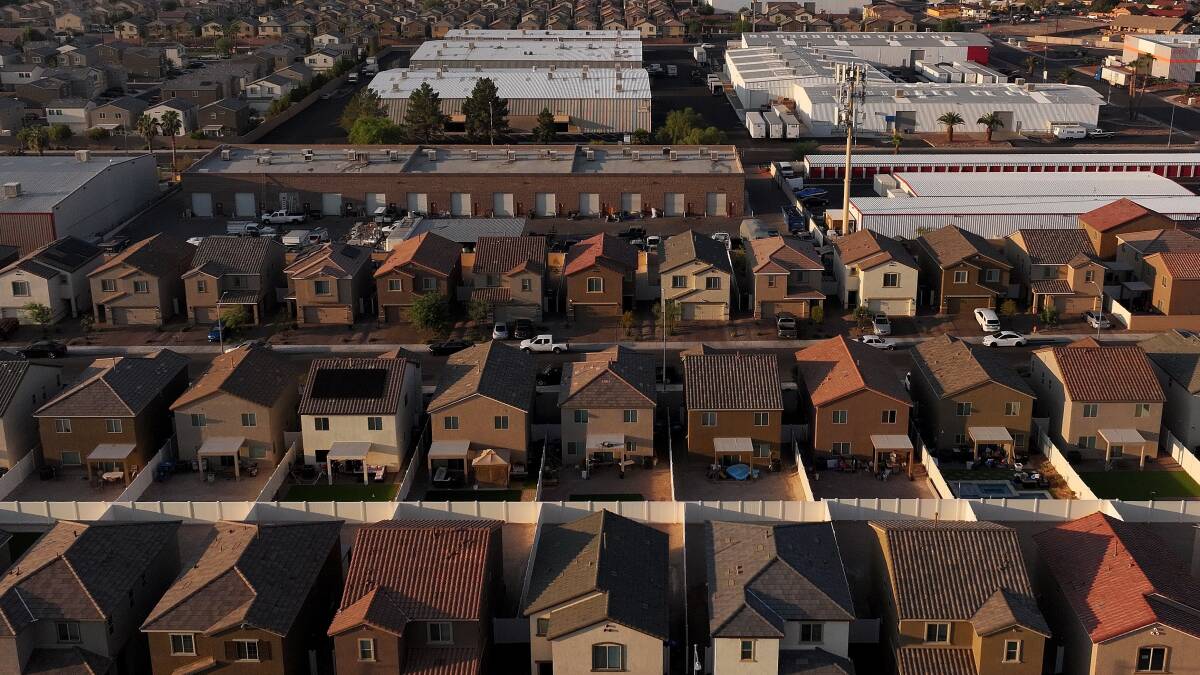
In Las Vegas, State Senator Dina Neal has repeatedly introduced legislation to limit the concentration of investor-owned homes, citing neighborhoods built entirely for rental income by corporate firms. She argues that high rents imposed by institutional landlords make it nearly impossible for families to save for down payments, trapping them in a cycle of permanent renting. Neal’s proposals have been blocked by Nevada’s Republican governor, but Trump’s recent stance could reshape the political calculus.
Housing policy analysts at the Brookings Institution stress that any effective reform must balance the need to protect homebuyers with the importance of maintaining rental supply for households that cannot afford ownership. They warn that sweeping bans could unintentionally reduce housing availability and push rents higher if investors exit the market without sufficient replacement construction.
As bipartisan pressure mounts, Wall Street landlords are bracing for a regulatory shift that could redefine their role in the U.S. housing system. Whether through federal legislation, state-level caps, or municipal zoning changes, the political message is clear: the era of unchecked institutional expansion into single-family neighborhoods may be coming to an end, even as deeper structural challenges continue to shape the future of housing affordability.