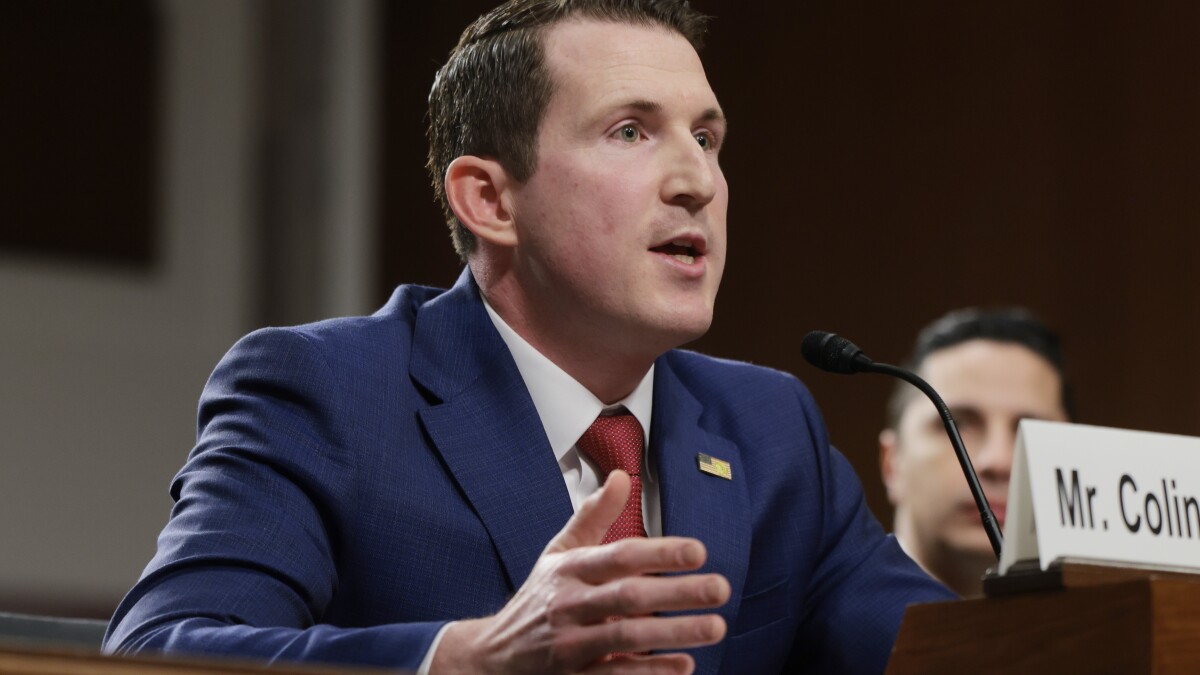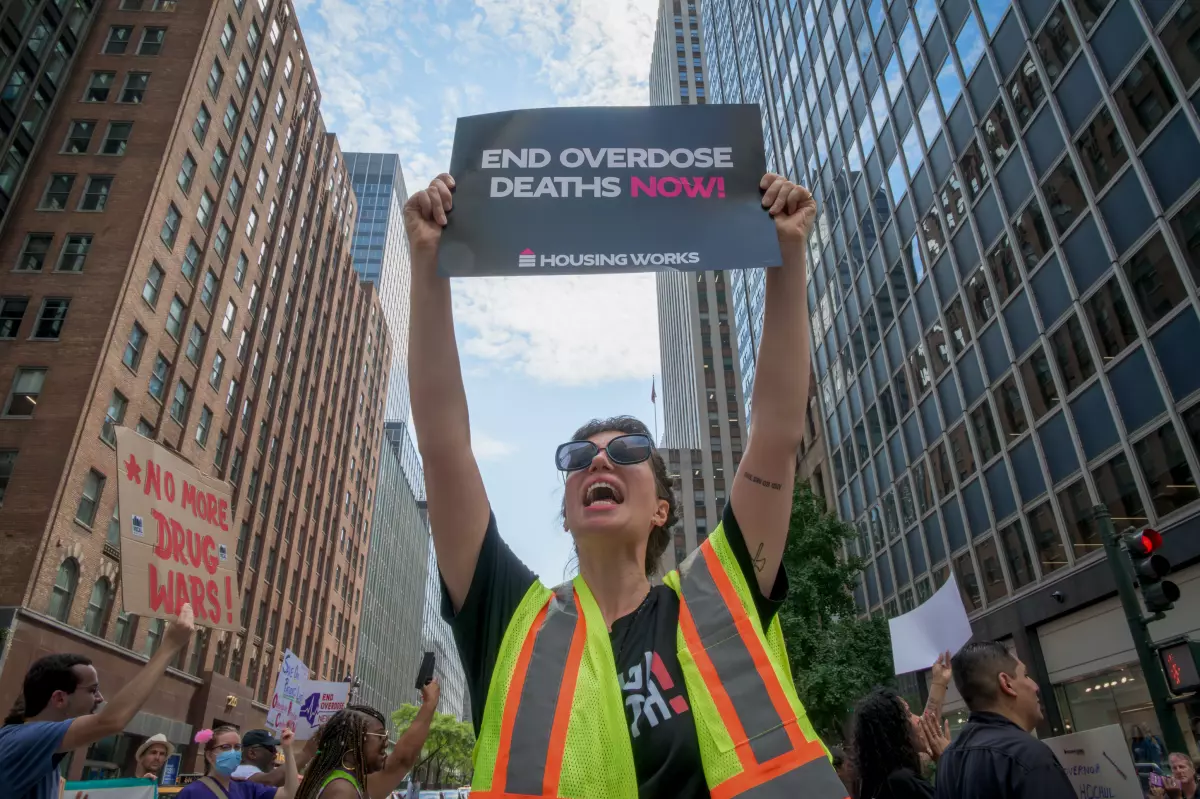
The U.S. mental health and addiction treatment system is facing major disruption following the Trump administration’s decision to immediately terminate hundreds of federal grants that support community-based health services. The move affects programs providing addiction treatment, overdose prevention, crisis intervention, and mental health support across multiple states, significantly altering the operational capacity of nonprofit and local service providers that rely on federal funding to maintain daily operations.
Immediate Impact on Community-Based Health Services
Grant termination notices were distributed nationwide with immediate effect, leaving organizations without the ability to recover costs incurred after the termination date. Many of the affected programs focus on street-level intervention for individuals experiencing substance use disorders, mental illness, and housing insecurity. These services often represent the first point of contact for vulnerable populations seeking care, especially in underserved urban and rural areas.
The Substance Abuse and Mental Health Services Administration, which oversees many of these programs, plays a central role in funding crisis response and treatment infrastructure through federal allocations managed under the U.S. Department of Health and Human Services. The sudden withdrawal of funding introduces uncertainty for organizations that had structured staffing, treatment capacity, and outreach initiatives around multi-year grant commitments.
Financial Scale and Operational Consequences
Industry analysts estimate that the total value of terminated grants could approach $2,000,000,000, representing one of the most significant funding reductions in the mental health and addiction sector in recent years. Individual nonprofit organizations report losses ranging from hundreds of thousands to several million dollars, immediately affecting payroll, treatment continuity, and prevention programs.
Federal data on public health expenditures published by the Centers for Disease Control and Prevention highlights the critical role of sustained funding in overdose prevention and behavioral health outcomes. Without transitional support, organizations may be forced to suspend services, close facilities, or reduce outreach activities that directly influence overdose mortality and emergency room utilization.
Policy Shift and Federal Health Priorities
The termination letters reference a broader restructuring of federal health grant programs, signaling a shift in administrative priorities related to national health system design. By reassessing which initiatives align with current policy objectives, the administration is redefining the scope of federal involvement in mental health and addiction services.
This policy shift occurs amid ongoing challenges in behavioral health access documented by the National Institute of Mental Health, including workforce shortages and rising demand for crisis intervention. Long-term implications may extend beyond service disruptions, affecting state-level planning, nonprofit sustainability, and the overall resilience of the U.S. behavioral health safety net.