The Trump administration has implemented a significant regulatory shift that exempts new experimental nuclear reactors from critical environmental review requirements under the National Environmental Policy Act (NEPA). The policy change enables faster construction and deployment of advanced nuclear reactors across multiple sites in the United States, dramatically reducing the scope of environmental assessments and public disclosure obligations traditionally required for projects involving nuclear energy.
The exemption was formalized through a Department of Energy notice published in the Federal Register, establishing a new categorical exclusion that allows qualifying reactor projects to bypass comprehensive environmental impact statements and public environmental assessments. Under previous standards, developers were required to submit extensive documentation detailing potential environmental risks, accident scenarios, radiation exposure pathways, and ecosystem disruption. These documents typically allowed public input and regulatory scrutiny, often extending project timelines by months or even years.
Officials from the Department of Energy justified the decision by citing the inherent safety features and passive cooling systems incorporated into advanced reactor designs. According to the department, these reactors present significantly lower environmental and safety risks compared to conventional nuclear power plants. The agency emphasized that existing environmental data from similar reactor technologies would inform any necessary analysis, enabling what it described as a streamlined and efficient review process.
This policy change follows an executive order signed by President Trump aimed at revitalizing the U.S. nuclear industry, strengthening domestic energy security, and accelerating innovation. The broader initiative seeks to position nuclear energy as a cornerstone of the nation’s long-term strategy to meet rising electricity demand, particularly from energy-intensive sectors such as artificial intelligence data centers, cloud computing, and advanced manufacturing.
Fast-Tracking Advanced Nuclear Projects Across the United States
The exemption is closely tied to the Department of Energy’s Reactor Pilot Program, which aims to have at least three advanced test reactors operational by July 4. This aggressive timeline reflects a broader national push to reestablish American leadership in nuclear technology, an industry increasingly shaped by competition from China and Russia. By reducing regulatory hurdles, the administration intends to shorten project development cycles, attract private investment, and scale next-generation nuclear technologies more rapidly.
The program is backed by billions of dollars in private capital, much of it originating from Silicon Valley investors who view nuclear energy as essential for supporting data centers that require uninterrupted, high-capacity power. These investors see advanced reactors as a low-carbon alternative capable of delivering reliable baseload electricity without the intermittency challenges associated with solar and wind energy.
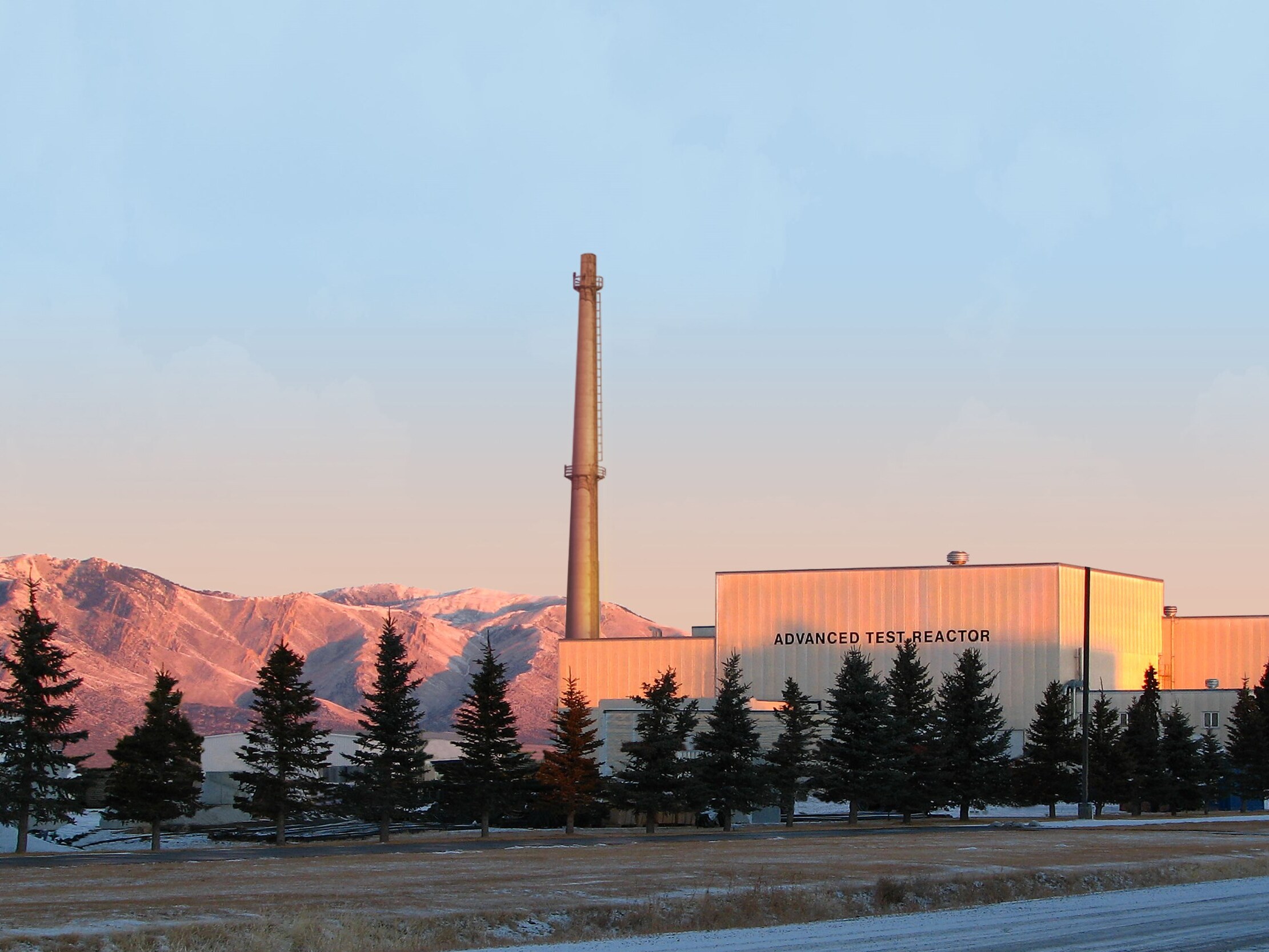
Many of these projects are being developed at federally owned research sites, including Idaho National Laboratory, one of the nation’s premier nuclear research facilities. The laboratory has become a focal point for reactor testing, innovation, and regulatory experimentation, playing a central role in the administration’s nuclear strategy. More information about its research programs and reactor initiatives can be found at https://www.inl.gov.
Supporters of the exemption argue that the reform addresses decades-long regulatory inertia that has hindered nuclear innovation. They claim that lengthy environmental reviews, while well-intentioned, often duplicate existing analyses and delay projects without materially improving safety outcomes. According to industry advocates, accelerating reactor deployment is essential for achieving energy independence, meeting climate targets, and maintaining U.S. technological leadership.
Safety Concerns and Environmental Transparency Under Scrutiny
Despite government assurances, the decision has sparked intense debate among scientists, environmental organizations, and nuclear safety experts. Critics argue that exempting reactors from rigorous environmental scrutiny removes critical safeguards designed to protect public health and ecological systems. They emphasize that many of the advanced reactor designs currently under construction have never operated outside laboratory simulations, meaning real-world performance remains largely untested.
Organizations such as the Union of Concerned Scientists, whose research on nuclear safety and environmental protection is widely recognized, warn that even small experimental reactors carry inherent risks. Their analyses, available at https://www.ucsusa.org, highlight the importance of comprehensive environmental impact statements, particularly for technologies that involve radioactive materials, long-lived waste, and potential accident scenarios.
One of the central concerns involves groundwater contamination and long-term waste storage. Internal revisions to Department of Energy safety guidelines reportedly softened language that once mandated environmental protection, replacing it with discretionary phrasing that allows agencies to weigh potential impacts against operational convenience. Environmental groups argue that this shift weakens accountability and undermines the original intent of NEPA, which was enacted to ensure transparency and public participation in decisions affecting the environment.
Additionally, critics question whether prior environmental reviews of older reactor models can reliably predict the behavior of newer designs that utilize alternative fuels, cooling mechanisms, and structural configurations. They contend that each reactor type presents unique challenges that warrant independent assessment.
Economic Ambitions, Energy Security, and Strategic Implications
From an economic standpoint, the administration’s policy is designed to stimulate domestic manufacturing, expand high-skilled employment, and enhance energy security. Advanced nuclear reactors are positioned as a strategic asset capable of delivering stable electricity output while reducing reliance on imported energy resources. Federal officials estimate that accelerated nuclear deployment could generate tens of billions of dollars in economic activity and support the creation of thousands of engineering, construction, and operations jobs.
The initiative also aligns with national climate goals by promoting low-emission energy production. Nuclear power currently provides approximately 20% of U.S. electricity and accounts for more than half of the nation’s carbon-free generation. Expanding this capacity could significantly reduce greenhouse gas emissions while ensuring grid stability.
At the international level, the United States aims to regain leadership in nuclear technology exports, an area where competitors have gained substantial ground. By fostering domestic innovation, officials hope to strengthen U.S. influence in global energy markets and establish new standards for reactor safety, efficiency, and waste management. Information about ongoing federal nuclear programs and strategic energy objectives is available at https://www.energy.gov.
Meanwhile, investors and technology leaders continue to advocate for nuclear expansion as a cornerstone of digital infrastructure development. Companies operating massive data centers require uninterrupted power supplies, and advanced reactors offer a solution capable of meeting that demand without exacerbating carbon emissions. Industry insights into data center energy trends and infrastructure planning can be found through resources such as https://www.datacenterknowledge.com.
As the United States accelerates the deployment of experimental nuclear reactors, the long-term consequences of reduced environmental oversight remain uncertain. The policy represents a fundamental recalibration of the balance between regulatory caution and technological ambition, setting the stage for a new era in American nuclear energy development.