Trump Administration Announces Major Shift in U.S. Green Card Process
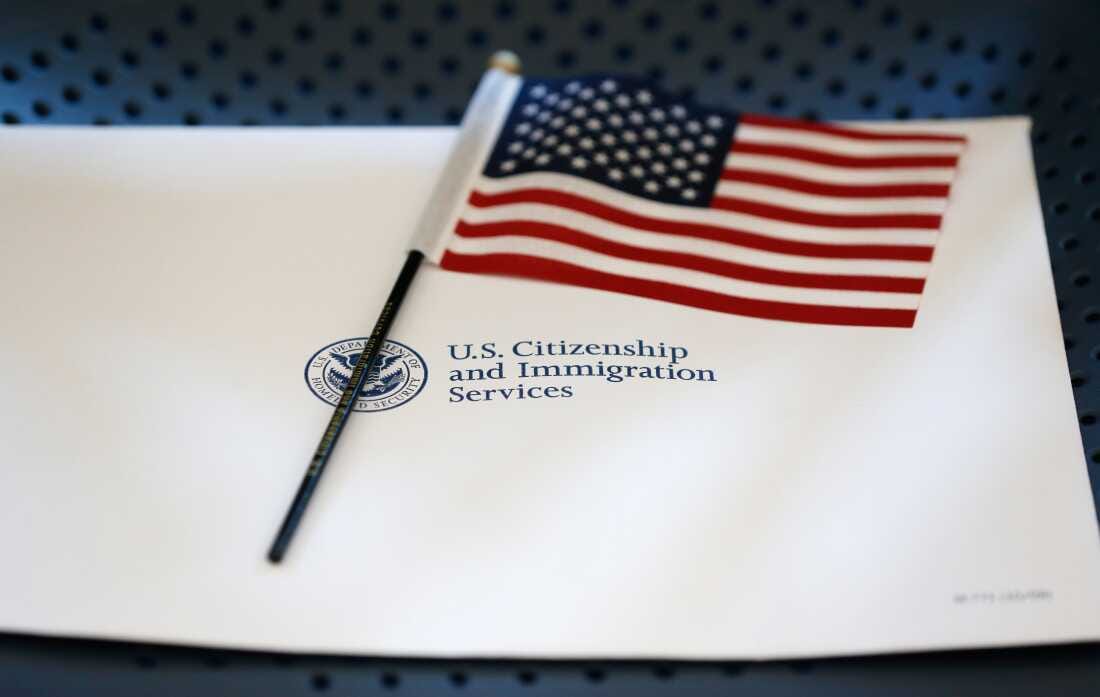
The U.S. Citizenship and Immigration Services has announced a significant change to immigration policy that could dramatically affect thousands of foreign nationals currently living in the United States on temporary legal status.
Under the new policy introduced by the Trump administration, many immigrants seeking lawful permanent residency — commonly known as a green card — will now be required to leave the United States and complete the application process from their home country rather than remaining inside the country during processing.
For decades, U.S. immigration law allowed many eligible individuals already living legally in the United States to apply for permanent residency through a process known as “adjustment of status.” This pathway enabled applicants to remain in the country while their green card cases were reviewed.
The revised policy changes that long-standing practice for a broad category of applicants, including some individuals holding student visas, work visas and other temporary immigration statuses.
According to federal officials, only applicants facing “extraordinary circumstances” may be allowed to complete the green card process from within the United States under the new guidelines. Immigration officers will reportedly determine eligibility for such exemptions on a case-by-case basis.
The announcement immediately triggered concern among immigration attorneys, advocacy organizations and immigrant communities who fear the policy could create legal uncertainty, family separation and extended delays in residency applications.
Immigration policy updates and legal guidance continue to be available through U.S. Citizenship and Immigration Services y U.S. Department of State.
Immigration Advocates Warn of Disruptions for Families, Workers and Students
Immigration experts say the policy could have wide-reaching consequences for individuals who have built careers, families and long-term lives inside the United States while legally awaiting permanent residency approval.
Historically, adjustment-of-status procedures allowed applicants to continue working, studying and living with family members during the often lengthy immigration process. Requiring applicants to leave the country could now expose some individuals to travel restrictions, processing delays or complications involving reentry into the United States.
Immigration attorneys also warn that consular processing abroad may create additional uncertainty because visa interviews and approvals conducted outside the United States can sometimes involve extended administrative reviews or denials that leave applicants stranded overseas.
The policy may especially affect international students, skilled workers employed through visa programs and individuals married to U.S. citizens who had previously expected to complete residency applications domestically.
Advocacy groups are also raising concerns about humanitarian cases involving refugees, asylum seekers and recipients of temporary protections who may face instability or safety concerns if required to return to their country of origin during processing.
The announcement arrives amid broader uncertainty surrounding U.S. immigration policy under the Trump administration, which has pursued stricter enforcement measures, expanded deportation efforts and significant revisions to asylum and legal immigration procedures.
Information regarding immigration court procedures and visa processing timelines can also be accessed through Executive Office for Immigration Review y American Immigration Lawyers Association.
Legal and Political Debate Over Immigration Policy Intensifies
The policy change is expected to generate legal and political challenges as immigration advocates question whether the administration has the authority to broadly restrict adjustment-of-status access without congressional action.
Some legal experts argue that requiring applicants to leave the country could place unnecessary burdens on individuals who are already complying with U.S. immigration law and contributing to the economy through employment and education.
Supporters of the administration’s approach, however, argue that overseas processing strengthens immigration oversight and allows authorities to conduct more thorough security reviews before granting permanent residency.
The debate reflects broader national disagreements over the future of legal immigration in the United States. While some policymakers advocate expanding pathways for skilled workers and families, others support stricter vetting systems and tighter immigration controls.
The announcement also comes as uncertainty continues surrounding programs affecting immigrant communities, including the future of Deferred Action for Childhood Arrivals, commonly known as DACA.
Many immigrants who arrived in the United States years ago under temporary protections or educational visas now face increasing anxiety about long-term residency options and legal stability.
Economists and business organizations have also warned that abrupt immigration policy changes could affect sectors heavily dependent on international workers, including healthcare, technology, research and higher education.
Research related to immigration trends and labor market impacts continues through Migration Policy Institute y Brookings Institution.
As the administration begins implementing the new policy, immigration attorneys expect a surge in legal consultations and possible court challenges aimed at clarifying who qualifies for exemptions and how the rules will apply to pending green card applications already underway.
For thousands of immigrants currently living and working legally in the United States, the policy has introduced a new layer of uncertainty into an already complex immigration system that continues to shape the lives of families, students and workers nationwide.