The idea of having a “pop culture hill” to die on has become one of the most relatable concepts in modern entertainment discussions. It refers to that unwavering opinion fans defend at all costs, regardless of opposing arguments, shifting trends, or changing public perception. In a world driven by streaming platforms, viral debates, social media fandoms, and constant cultural reinvention, these steadfast beliefs help define personal identity, taste, and emotional connection to art and entertainment.
From passionate debates about rising Hollywood stars to deep-rooted convictions surrounding music legends, gaming culture, and the magic of live performances, pop culture hills represent more than simple preferences. They reflect generational values, emotional attachments, and the powerful role media plays in shaping memory and meaning. Today’s cultural conversations increasingly highlight names such as Jacob Elordi and Timothée Chalamet, legendary performers like Bryan Adams, unforgettable boss battles in video games, and the transformative experience of attending concerts.
The Rise of Jacob Elordi and Timothée Chalamet as Cultural Icons
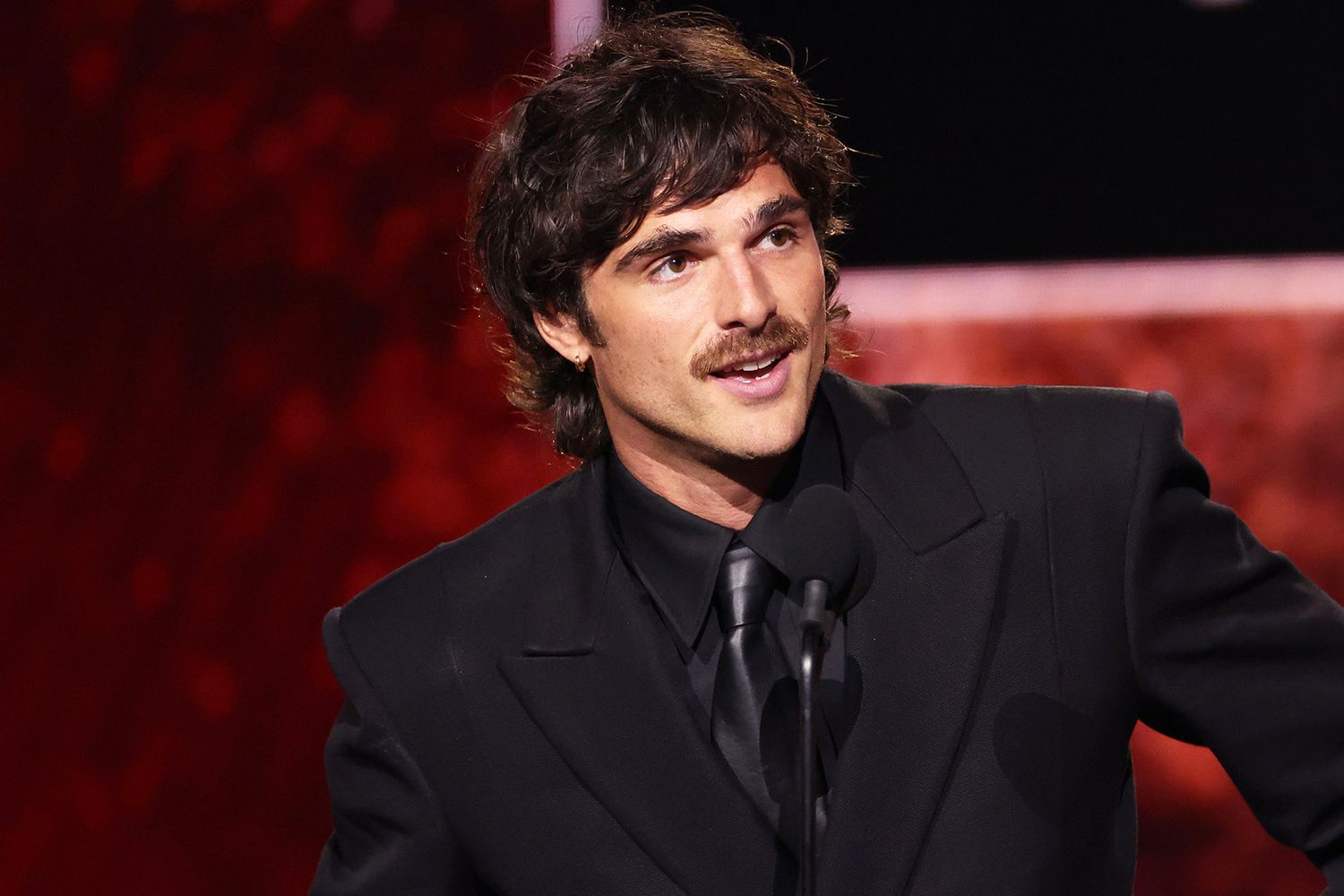
Few actors of the current generation inspire as much passionate debate as Jacob Elordi and Timothée Chalamet. Both have emerged as defining faces of modern cinema, but each represents a different approach to stardom. Elordi, whose career gained international recognition through major streaming productions, has become synonymous with emotionally complex characters and a striking screen presence, earning a dedicated fan base across multiple platforms. His work has sparked countless discussions across entertainment communities, especially on platforms such as https://www.imdb.com, where audiences closely track his evolving filmography and performances.
Meanwhile, Timothée Chalamet has cemented his reputation as one of the most versatile and respected young actors in Hollywood. With performances spanning independent cinema and blockbuster franchises, his artistic credibility continues to grow. His association with major projects and collaborations with renowned directors has strengthened his standing as a generational talent. Coverage of his work frequently appears in respected publications such as https://www.rollingstone.com, where his influence on youth culture, fashion, and film is often examined.
For many fans, defending one actor over the other becomes a personal cultural stance, rooted in emotional resonance, character portrayal, and perceived authenticity. These debates transcend simple admiration, evolving into statements about what modern acting excellence should represent.
Why Video Game Boss Battles Remain Legendary
Beyond film and television, gaming culture has carved out its own powerful pop culture hills. Among the most fiercely defended opinions are those centered around iconic boss battles. These pivotal moments in gaming history represent triumph, frustration, and emotional payoff, becoming shared experiences that bind communities together across generations.
From early console classics to modern open-world epics, boss battles symbolize the ultimate test of skill and persistence. They demand strategic thinking, precise execution, and emotional endurance. For many players, defeating a legendary boss is not merely a gaming achievement but a defining moment of personal growth. Discussions about the greatest boss battles often reference major gaming franchises and historical milestones documented across trusted platforms such as https://www.ign.com, where reviews and retrospectives celebrate their cultural significance.
These debates reveal how deeply gaming experiences shape emotional memory. Players form lifelong attachments to these challenges, often ranking them alongside cinematic moments and musical milestones as some of their most impactful entertainment experiences.
Bryan Adams, Concert Culture, and the Power of Live Music
Music remains one of the strongest emotional connectors in pop culture, and few artists embody lasting influence quite like Bryan Adams. With a career spanning decades, Adams has delivered anthems that continue to resonate across generations. His songwriting, distinctive voice, and ability to craft emotionally charged performances have secured his place among the most respected musicians in modern history. His enduring relevance is frequently highlighted through platforms such as https://www.britannica.com, which document his artistic contributions and cultural legacy.
For many fans, defending Bryan Adams as one of the greatest live performers ever is a non-negotiable stance. His concerts are often described as emotionally immersive experiences that transcend age, language, and cultural boundaries. This perspective extends into a broader argument about the irreplaceable value of attending live concerts in an era dominated by streaming and digital consumption.
Live performances create moments of collective emotion, forging powerful memories that digital platforms struggle to replicate. Whether it’s the energy of a stadium crowd, the intimacy of an acoustic set, or the shared euphoria of a chorus sung by thousands, concerts represent cultural rituals that define generational identity. For many, the belief that live music is essential to fully understanding an artist’s impact is a pop culture hill they are unwilling to abandon.