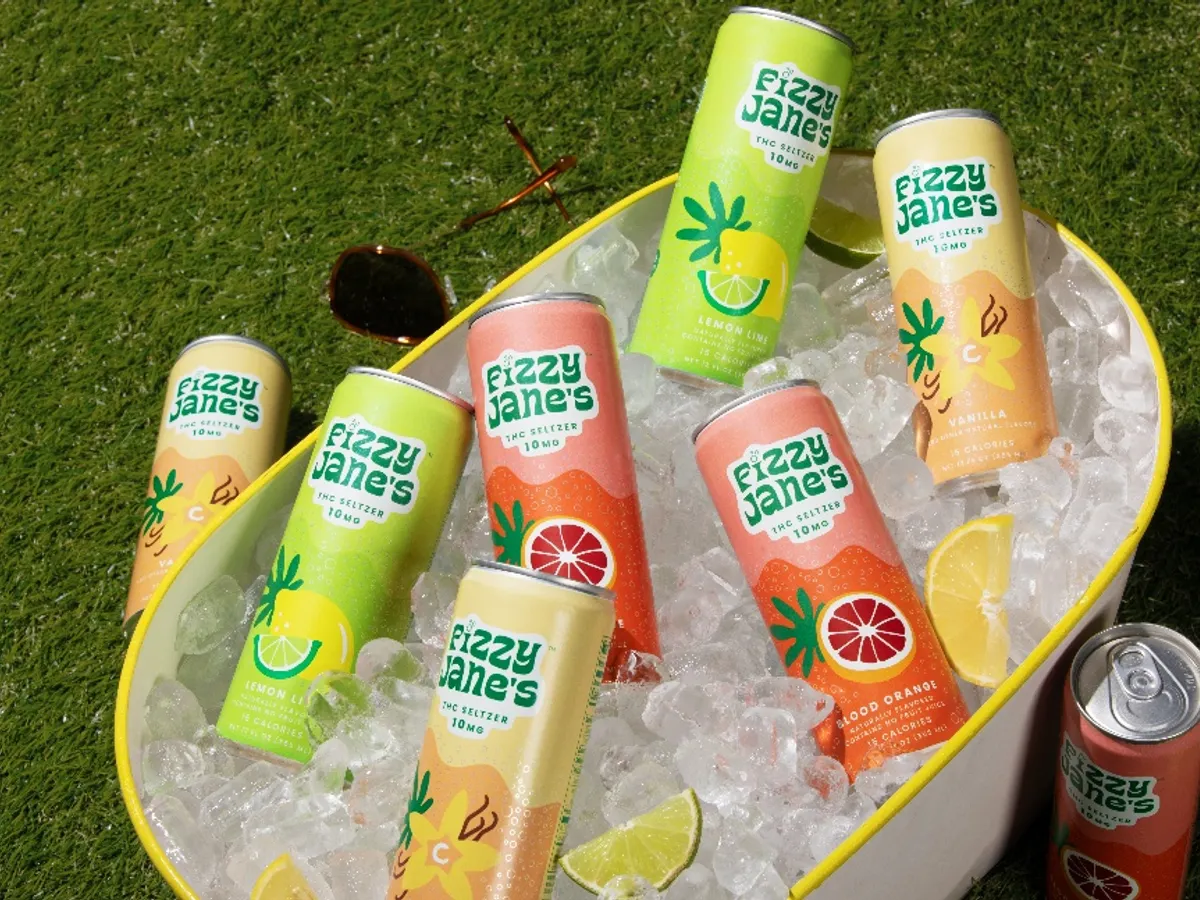
Across major retail chains, the THC beverage market in the United States is experiencing unprecedented momentum. Brightly packaged cans of low-dose THC seltzers and cocktail-inspired drinks are becoming common on store shelves, attracting consumers who want a relaxing experience without alcohol. Many first-time buyers describe these beverages as an accessible entry point to cannabis, driven by curiosity, wellness trends, and a shift away from traditional drinking habits. Brands offering dozens of flavors now compete for visibility in large stores, with some companies reporting steady monthly revenue growth as demand builds.
This broader adoption began after hemp-derived THC products entered mainstream retail spaces, supported by the legal definition of hemp in the 2018 Farm Bill. As long as hemp remains under the 0.3% Delta-9 THC threshold, businesses have been able to produce, distribute, and ship these beverages nationwide. Because of this legal classification, many companies have expanded from small-scale local production to large commercial operations using semitruck distribution, sophisticated canning facilities, and growing supply chain networks. To understand how hemp is classified, many consumers refer to reliable educational sources on Cannabis sativa L. at Britannica.com, which explains how the plant’s variants differ under U.S. policy.
The rising popularity of THC beverages also aligns with the growth of the broader wellness-driven beverage sector, which prioritizes lighter, functional, or non-alcoholic options. Searches related to alternative drinks, cannabinoids and hemp-derived supplements continue increasing, as shown in lifestyle and consumer trend reports on Healthline.com. As more consumers research low-dose THC and cannabinoid wellness, these beverages have gained traction among audiences who prefer not to visit dispensaries but still want access to legal THC products.
Retail Expansion and Consumer Behavior Transform the Industry
The rapid adoption of THC beverages has shifted how retailers think about adult beverages. Major stores have incorporated THC seltzers into their layouts, guiding customers with signs recommending introductory doses of 2–4 mg for new consumers. This approach mirrors long-established alcohol retail strategies, emphasizing transparency, clear labeling, and gradual introduction to stronger varieties. The similarity between marketing cannabis drinks and alcoholic beverages has also sparked discussions among industry analysts, who compare consumer behavior using general market trend insights from Statista.com, which helps illustrate how new categories disrupt traditional retail.
The presence of THC products in convenience stores, supermarkets, and major chains signals a profound shift in cannabis accessibility. The beverages offer a discreet and familiar format—one that many consumers feel more comfortable with than smoking or vaping. Industry leaders argue that THC drinks represent the next wave of cannabis adoption in the United States, drawing in consumers who want predictable, low-impact experiences. Companies investing in this sector are now scaling production, hiring larger teams, and forming partnerships with national distributors to meet growing demand.
However, this expansion has also raised concerns among state officials and public health advocates who warn about the lack of consistent oversight. The uneven regulatory landscape has caused uncertainty for consumers and retailers alike. Many businesses track evolving cannabis and hemp legislation through policy analyses available at Congress.gov, a trusted source for legislative updates across sectors. These changes influence how companies may need to adapt formulations, packaging, or distribution strategies depending on future federal guidelines.
Federal Restrictions Create a One-Year Countdown for Hemp Producers
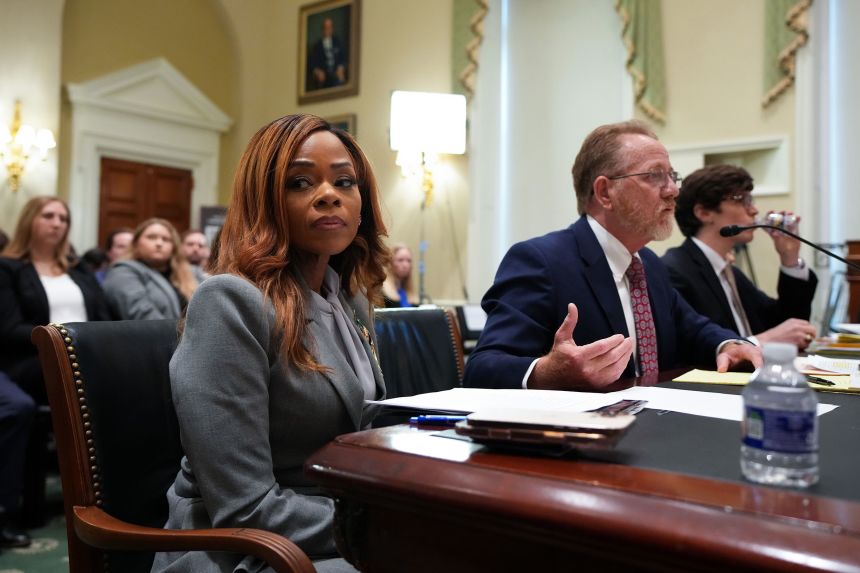
Industry leaders now face significant pressure after Congress approved a measure requiring the federal government to close the hemp loophole within a year. This decision follows growing concerns among state officials over unregulated intoxicating hemp products and their accessibility. The potential restrictions could reduce access to hemp-derived THC drinks in many states, affecting manufacturers, distributors, and retailers that rely on the current regulatory flexibility.
Several large retailers have already paused expansion plans, anticipating new compliance rules that could classify hemp-derived THC beverages more strictly. Entrepreneurs at industry conferences are preparing for substantial changes that may include standardized laboratory testing, ID-verification requirements at liquor stores, and clearer national guidelines. While some lawmakers support rolling back the restrictions, others argue that the industry must evolve to ensure product consistency and consumer safety.
Despite the uncertainty, demand for THC beverages continues to accelerate. Some distributors are increasing orders ahead of potential regulatory shifts, signaling that the market remains energetic and competitive. Industry advocates emphasize the need for a balanced federal framework that protects consumers without dismantling the rapidly growing sector. As companies race to adjust, the next year will determine whether the hemp-derived THC beverage industry maintains its momentum or undergoes a significant transformation.