A unique approach to patient care is gaining attention at a major academic medical center in Austin, Texas, where a physician-led initiative is using vinyl records as a therapeutic tool to improve the hospital experience for patients facing complex medical conditions. At Dell Seton Medical Center, affiliated with the University of Texas at Austin, music is being introduced not as background noise, but as an intentional, personalized intervention aimed at comfort, connection, and emotional relief.
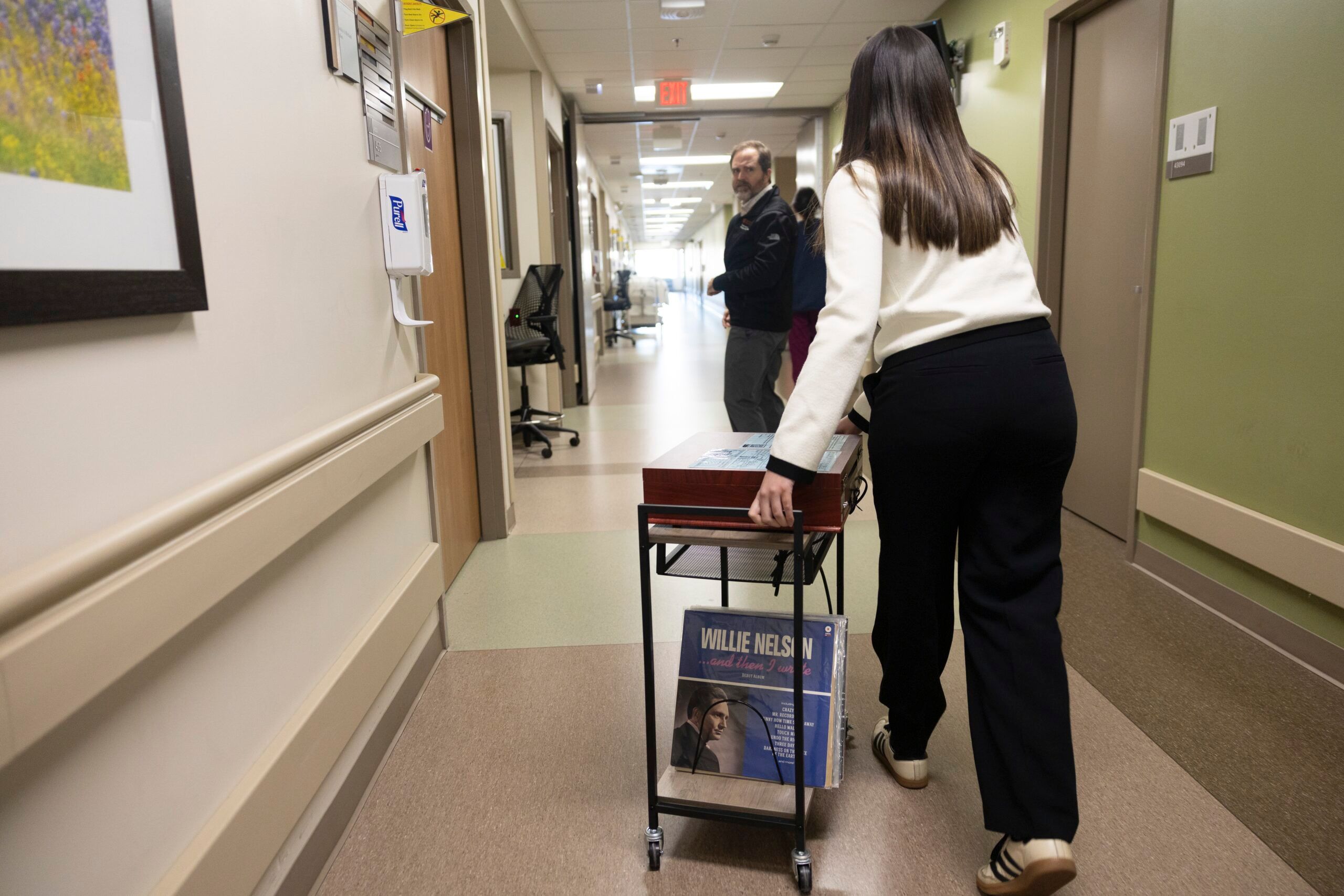
The program, known as ATX-VINyL, integrates analog record players into patient rooms, allowing individuals to select music that resonates with their personal histories. The initiative reflects a growing recognition within modern healthcare that emotional and psychological well-being can play a meaningful role in recovery, particularly for patients undergoing surgery, managing chronic illness, or receiving palliative care.
A Personalized Approach to Comfort and Care
The ATX-VINyL program was created by Dr. Tyler Jorgensen, an emergency medicine physician who later specialized in palliative care, a medical field focused on improving quality of life for patients with serious or life-limiting conditions. While working with patients experiencing prolonged hospital stays, Dr. Jorgensen observed that traditional clinical interactions often struggled to address emotional isolation, anxiety, and distress.
By introducing vinyl records into patient rooms, the program allows individuals to engage with music that reflects formative moments in their lives. Country, jazz, classic rock, and soul are among the most requested genres, often tied to family memories, earlier life experiences, or moments of personal significance. According to staff involved in the initiative, patients frequently become more communicative, relaxed, and emotionally open once familiar music begins playing.
This approach aligns with broader research on the impact of music on health outcomes. Institutions such as the National Institutes of Health have documented how music interventions can reduce stress, improve mood, and support cognitive engagement, particularly in clinical environments. By choosing vinyl rather than digital playlists, the program emphasizes sensory familiarity, from the sound quality to the physical presence of the record player.
More about the medical school supporting this work can be found through Dell Medical School at The University of Texas at Austin: https://dellmed.utexas.edu
Building Emotional Connection Through Analog Sound
Unlike streaming music played through personal devices, vinyl records introduce a tactile and visual experience that patients often associate with earlier decades. The sound of a needle touching a record, combined with the warmth of analog playback, creates a setting that feels distinct from the clinical environment of a hospital room.
Dr. Jorgensen has described vinyl as a “time machine,” one that allows patients to mentally step outside the hospital and reconnect with memories tied to family, home, and identity. This emotional shift has proven especially meaningful in palliative care settings, where comfort and dignity are central goals.
The record collection at the hospital continues to grow, now exceeding 60 albums. Fleetwood Mac’s Rumours, released in 1977, remains one of the most frequently requested records, alongside artists such as Willie Nelson, Etta James, and John Denver. Seasonal favorites also circulate, particularly during holidays, offering moments of familiarity during times when patients may feel most disconnected from loved ones.
The initiative complements the broader mission of patient-centered care promoted by the University of Texas at Austin, which emphasizes interdisciplinary solutions that integrate science, empathy, and innovation. More information about the university’s healthcare and research mission is available at https://www.utexas.edu
Volunteers and the Future of Music-Based Care
A key component of ATX-VINyL is its volunteer network, made up largely of students and community members who coordinate with nursing staff to identify patients who may benefit from a visit. Volunteers curate record selections based on patient preferences and help facilitate the listening experience, often remaining in the room to engage in conversation.
The program’s volunteer coordinator, a pre-medical student at UT Austin, has emphasized that music often opens pathways to dialogue that traditional clinical questions cannot. Patients frequently share personal stories, memories, and reflections prompted by specific songs, fostering human connection in a setting often dominated by procedures and protocols.
This initiative reflects a broader trend within healthcare systems seeking non-pharmacological methods to support patient well-being. Similar approaches are discussed by organizations such as the Cleveland Clinic, which highlights the role of music therapy in reducing anxiety and improving patient satisfaction: https://health.clevelandclinic.org/music-therapy
As healthcare institutions continue exploring holistic models of care, programs like ATX-VINyL demonstrate how relatively simple interventions can create meaningful impact. By combining clinical expertise with cultural and emotional awareness, the use of vinyl music therapy in hospitals underscores a growing understanding that healing extends beyond physical treatment alone.
Additional insights into patient experience innovation in healthcare can be found through the Association of American Medical Colleges: https://www.aamc.org