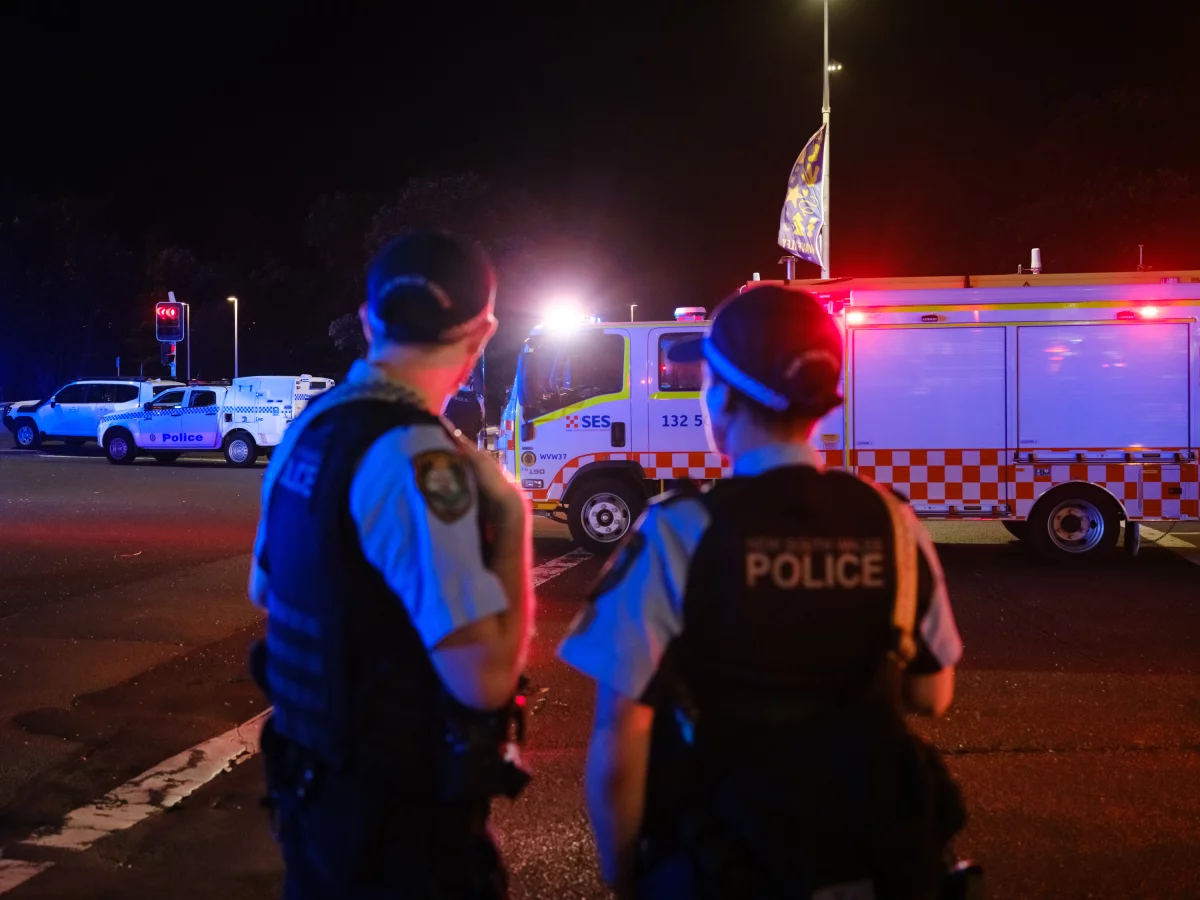
A deadly shooting during a Hanukkah celebration at Bondi Beach has shaken Australia. It has also reignited national and international conversations about terrorism, antisemitism, and public safety. The attack unfolded during an evening religious gathering attended by hundreds of people. It transformed a peaceful cultural event into one of the most severe acts of violence the country has witnessed in recent years. Emergency services responded within minutes. Yet the scale of the casualties underscored the gravity of the incident and its broader implications for Australian society.
The violence occurred in a public space long associated with openness and multicultural coexistence. Bondi Beach is a symbol of Sydney’s global identity and became the backdrop for a targeted assault. It left at least 15 people dead and dozens hospitalized. Among the victims were children, community leaders, and first responders. This fact has intensified public grief and sharpened scrutiny. Everyone is questioning how extremist violence can emerge even in countries known for strict gun regulations and low rates of mass shootings.
A targeted attack and its immediate national impact
Authorities described the assault as a deliberate act aimed at a Jewish religious gathering. This raised alarms about the safety of faith-based events across Australia. The discovery of improvised explosive devices at the scene deepened concerns about the attackers’ intentions. There is also worry about the potential for even greater loss of life. Law enforcement agencies across New South Wales and other states increased security measures. These measures target synagogues, schools, and community centers in the days following the shooting.
The incident has prompted renewed examination of Australia’s counterterrorism framework. Despite having some of the toughest firearm laws in the world, the attack demonstrated something important. Determined individuals can still exploit vulnerabilities in public spaces. Discussions about crowd protection, intelligence sharing, and early detection of extremist threats have gained urgency. This urgency is particularly present as authorities assess whether warning signs were missed. Broader policy debates on national security can be explored through ongoing public resources. These resources and updates are available at https://www.homeaffairs.gov.au. They outline Australia’s approach to counterterrorism and community protection.
Beyond security logistics, the emotional impact has been profound too. Vigils across Sydney and other major cities have drawn thousands. This reflects solidarity with the Jewish community and a collective rejection of hate-driven violence. Religious leaders from multiple faiths have emphasized the importance of unity. They warn that fear and division are often the secondary objectives of terrorist acts.
Antisemitism, social tensions, and political fallout
The Bondi Beach shooting has intensified scrutiny of antisemitism in Australia. This is particularly amid heightened global tensions related to conflicts in the Middle East. Jewish organizations have reported a rise in threats, vandalism, and harassment in recent years. They argue that online rhetoric and international political disputes can fuel local hostility. The attack has therefore been framed not only as an isolated act of violence. It is part of a wider pattern that demands a coordinated societal response.
Political reactions have extended beyond Australia’s borders. Foreign leaders are weighing in on the broader implications of the incident. Diplomatic exchanges following the shooting have highlighted a key issue. Domestic security events can quickly become entangled with international relations and foreign policy positions. Australia’s role in global discussions on human rights, regional stability, and recognition of statehood has come under renewed examination. Analysts point to resources such as https://www.dfat.gov.au for insight into the country’s diplomatic priorities.
Domestically, the government faces pressure to show that existing laws and policies are sufficient to protect minority communities. While Australia’s gun control framework has long been cited as a global model, some argue legislation alone is not enough. It cannot address ideological extremism. Education, community engagement, and proactive monitoring of hate-based networks are increasingly seen as essential components of prevention strategies. Broader discussions on antisemitism and racism in Australia are often addressed by civil society organizations. Such discussions are documented at https://www.humanrights.gov.au. They track trends and policy responses related to discrimination and social cohesion.
Gun laws, public safety, and the long-term consequences
Australia’s strict gun laws, introduced after the 1996 Port Arthur massacre, have significantly reduced firearm-related violence over the past decades. The Bondi Beach attack has reopened debates about whether existing measures are sufficient. In an era where threats may involve not only guns but also homemade explosives and coordinated planning, questions arise. Security experts argue that the challenge now lies less in access to firearms. It is more about intelligence gathering, mental health interventions, and early disruption of extremist plots.
Public safety strategies are being reassessed in the context of large-scale public events. Beaches, festivals, and religious celebrations are central to Australia’s cultural life, yet they present complex security challenges due to their open nature. Balancing freedom of assembly with protective measures remains a delicate task. Authorities must navigate carefully to avoid creating an atmosphere of fear. Comparative insights into how other democracies manage public-event security can be found through international policy discussions. These are hosted by organizations such as https://www.un.org. They often address terrorism prevention and protection of civilian spaces.
The long-term consequences of the shooting are likely to extend beyond immediate policy changes. For many Australians, the attack has challenged assumptions about national safety and social harmony. For Jewish communities, it has reinforced concerns about visibility and vulnerability in public life. The broader society now faces a critical moment. Will the attack deepen divisions, or become a catalyst for renewed commitment to inclusion, vigilance, and mutual respect?
As investigations continue and political debates unfold, the Bondi Beach Hanukkah shooting stands as a stark reminder. Even societies with strong legal frameworks are not immune to acts of hate-driven violence. The response in the coming months—from government, civil society, and local communities—will play a defining role. It will shape Australia’s approach to security, tolerance, and collective resilience.