Supreme Court Blocks Deportations While Fast-Tracking Legal Battle
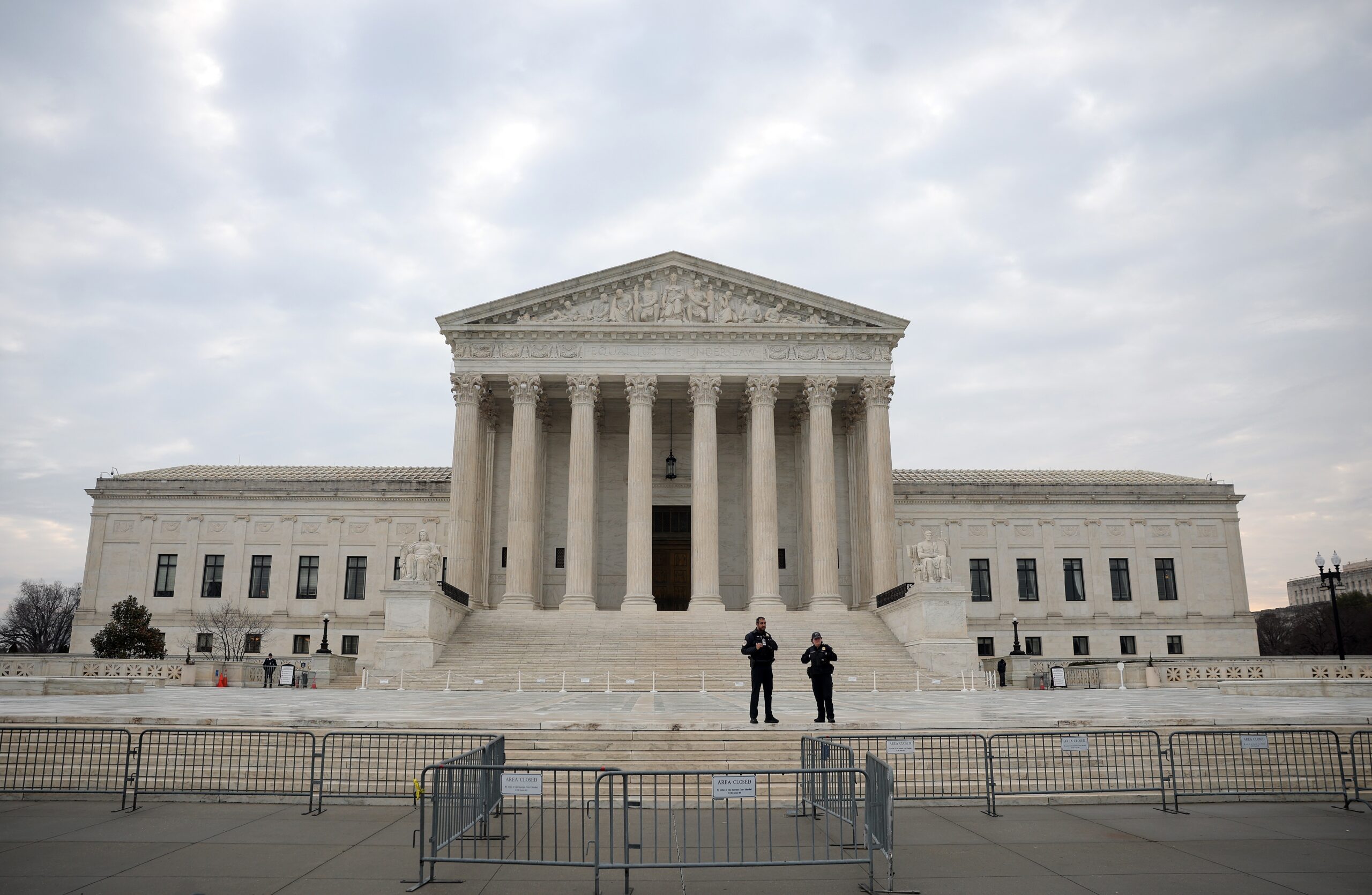
The Supreme Court of the United States has temporarily halted efforts by the Trump administration to deport more than 350,000 Haitian migrants and approximately 6,000 Syrians who currently benefit from Temporary Protected Status (TPS). At the same time, the court agreed to fast-track the legal dispute, scheduling oral arguments for April with a final ruling expected by late June.
This dual decision preserves protections for affected migrants in the short term while signaling that the justices intend to resolve fundamental legal questions surrounding TPS authority. The administration had requested emergency intervention, arguing that lower courts had improperly blocked federal decisions to terminate protections. However, instead of immediately siding with the government, the court opted to take up the issue on an accelerated timeline.
TPS allows migrants from countries experiencing armed conflict, environmental disasters, or other extraordinary conditions to live and work legally in the United States. The program currently covers roughly 1.3 million people from multiple nations, making the outcome of this case potentially far-reaching.
For more details on how the program works, see U.S. Citizenship and Immigration Services, which outlines eligibility and protections under TPS.
Legal Questions Focus on Presidential Authority and Judicial Review
At the core of the case is whether decisions to grant or terminate TPS fall solely under executive authority or can be reviewed by federal courts. The Trump administration has argued that the Department of Homeland Security has broad discretion over the program and that courts should not interfere with those determinations.
Opponents, including migrant advocacy groups, contend that such decisions must comply with federal law and cannot be arbitrary or influenced by discriminatory factors. Lower courts previously blocked the termination of TPS for Haitians and Syrians, citing concerns over procedural failures and potential bias in the decision-making process.
The justices are expected to examine multiple legal questions, including whether TPS holders can challenge government decisions in court and whether claims of unequal treatment under the law have merit. The outcome could define the limits of executive power in immigration policy for years to come.
Additional legal background on immigration authority can be explored through American Immigration Council, which provides analysis on executive actions and judicial oversight.
Broader Impact Across Multiple Countries and Migrant Communities
Although the immediate cases focus on Haiti and Syria, the implications extend far beyond those two countries. The Trump administration has moved to end TPS protections for migrants from more than a dozen nations, including Venezuela, Afghanistan, and Somalia, as part of a broader immigration policy shift.
TPS for Syrians was originally granted in 2012 amid the country’s civil war, while Haitian nationals received protections following the devastating 2010 earthquake and ongoing instability. Despite arguments from the administration that conditions have improved, critics argue that both countries continue to face severe humanitarian crises, making deportations potentially dangerous.
The court’s decision to hear the case on an expedited basis highlights the urgency and national significance of the issue. A ruling could not only determine the fate of hundreds of thousands of migrants but also establish a legal precedent affecting future administrations and immigration programs.
Readers seeking historical and policy context can review TPS legislation and updates via Congressional Research Service, which tracks immigration laws and federal programs.