Supreme Court Blocks Colorado Conversion Therapy Ban
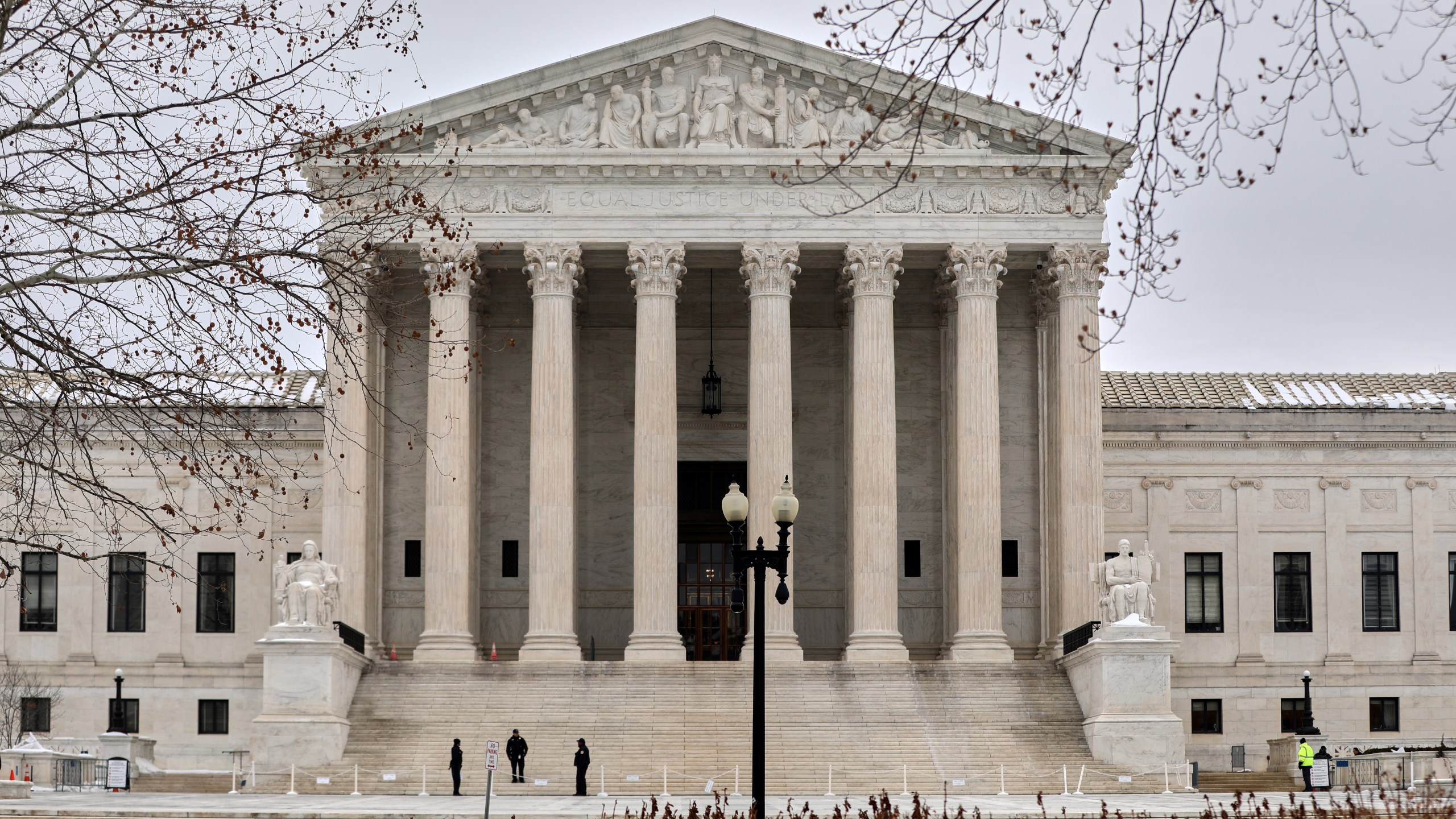
The Supreme Court of the United States has ruled against a Colorado law that prohibited conversion therapy for minors, determining that the measure improperly restricted speech based on viewpoint. The decision marks a significant moment in the ongoing legal debate over the balance between First Amendment protections and state authority to regulate licensed professionals.
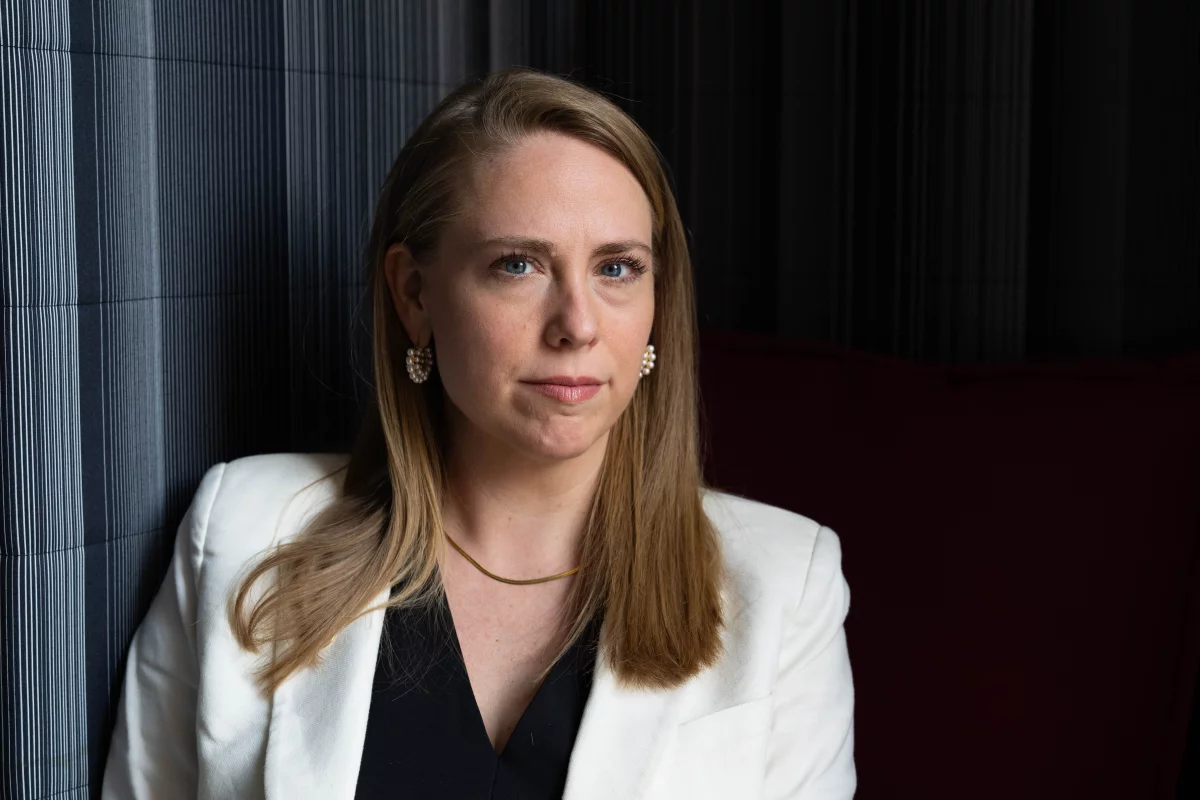
At the center of the case was Kaley Chiles, a licensed counselor who challenged the law on the grounds that it limited her ability to engage in voluntary conversations with minors seeking guidance related to sexual orientation or gender identity. Her legal team argued that the Colorado statute prevented therapists from expressing certain perspectives, even in consensual counseling settings.
The majority opinion concluded that lower courts failed to apply sufficiently rigorous constitutional scrutiny, emphasizing that the law regulated not only professional conduct but also the content and viewpoint of speech.
First Amendment and Professional Speech Debate
The Court’s ruling highlights a broader constitutional question: how far states can go in regulating the speech of licensed professionals. According to the majority, Colorado’s law crossed a constitutional line by restricting what therapists could say during sessions, effectively discriminating against specific viewpoints.
This interpretation reinforces a growing legal trend in which courts scrutinize regulations that may appear to govern professional conduct but also impact speech. The decision suggests that even in healthcare contexts, speech protections under the First Amendment remain robust.
At the same time, the ruling does not eliminate all forms of state oversight. It instead raises the bar for how such regulations must be crafted, requiring them to avoid targeting specific viewpoints while still addressing legitimate public health concerns.
Dissent Raises Concerns Over Healthcare Regulation
In a dissenting opinion, Ketanji Brown Jackson argued that the majority failed to fully consider the professional context in which the speech occurs. She emphasized that licensed therapists operate within a regulated healthcare framework, where states traditionally have authority to set standards of care, particularly when minors are involved.
The dissent underscored that Chiles was not merely expressing personal views but providing therapeutic services, which historically fall under state regulation. This perspective reflects concerns that the ruling could limit the ability of states to enforce professional standards designed to protect vulnerable populations.
The case also revisits longstanding debates around conversion therapy, a practice widely rejected by major medical organizations due to concerns about its effectiveness and potential psychological harm, including increased risks of depression among minors.
Implications for Future Laws and National Policy
The decision is expected to have far-reaching implications, potentially affecting similar laws across multiple states that restrict conversion therapy practices. Legal experts anticipate that the ruling will prompt challenges to existing regulations and influence how new legislation is drafted.
For policymakers, the outcome signals the need to carefully balance constitutional protections with public health objectives. Laws targeting professional practices may need to focus more narrowly on conduct rather than speech to withstand judicial scrutiny.
The ruling also contributes to a broader national conversation about the intersection of free speech, healthcare, and individual rights. As states reassess their regulatory frameworks, the debate over conversion therapy and its legal boundaries is likely to remain a prominent issue in both courts and legislative bodies.