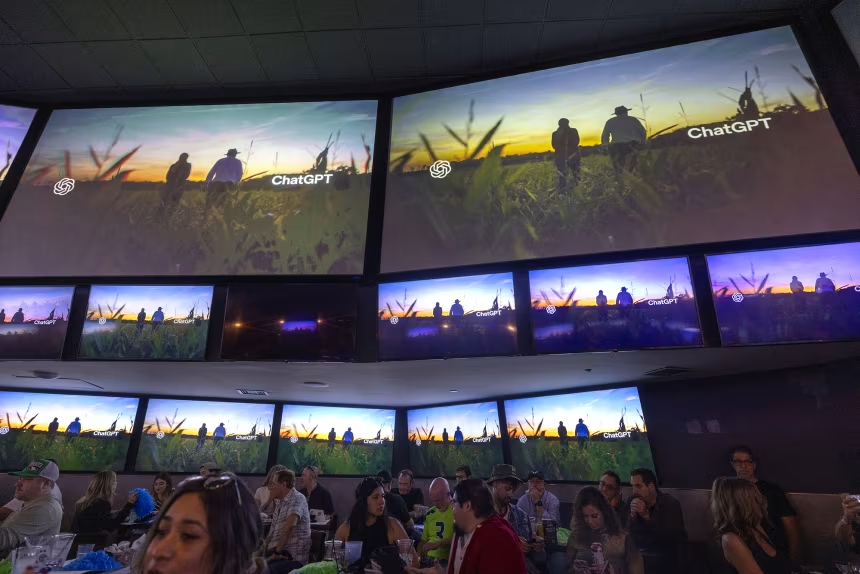
If there was a single theme running through this year’s Super Bowl commercials, it was a coordinated attempt to calm fears about artificial intelligence. The ads repeatedly framed AI not as a job-stealing disruptor or a threat to human relationships, but as a practical helper designed to make everyday life easier. From coding apps without technical training to smoothing out social awkwardness, the message was clear: AI is meant to work alongside people, not replace them.
This optimistic tone stood in contrast to public unease captured by surveys from institutions such as the Pew Research Center, which has found that many Americans remain more concerned than excited about AI’s expanding role. Against that backdrop, the Super Bowl became a rare opportunity for the industry to speak directly to a massive, attentive audience and reshape the narrative around the technology.
Selling reassurance in a skeptical climate
Rather than spotlighting specific products, the commercials focused on emotional reassurance. Viewers were encouraged to believe that AI could help children cope with change, assist people in solving small daily problems, and even offer creative support without undermining human originality. The underlying goal was to reduce anxiety and encourage broader adoption of AI-powered devices, subscriptions, and services.
This strategy reflects the gap between corporate enthusiasm and public skepticism. A September Marist poll found that two-thirds of respondents believe AI will eliminate more jobs than it creates, with women and younger generations expressing especially high levels of concern. Many Americans also report rarely using AI tools at all, suggesting that hesitation remains a barrier to growth.
By investing heavily in high-profile advertising, AI companies signaled that winning trust is now as important as technological advancement. Thirty-second Super Bowl spots reportedly cost about $8 million, a price executives appeared willing to pay for access to one of the few remaining events where viewers still watch commercials rather than skip them.
Competition, criticism, and the road ahead
Not all of the messaging was uniformly upbeat. One notable moment came from Anthropic, which positioned itself as a more restrained alternative in the AI race by pledging not to rely on embedded advertising within its systems. The contrast subtly highlighted growing competition with rivals such as OpenAI, even as the broader industry tried to present a united front about AI’s benefits.
Outside the stadium spotlight, concerns persist. Experts continue to warn about potential job displacement, as well as the environmental costs tied to rapid data center expansion and rising energy demand. Social media reactions during the game reflected this tension, with some viewers expressing fatigue and frustration at the sheer volume of AI-themed commercials.
Still, the advertising blitz underscored a pivotal moment for the industry. After hundreds of billions of dollars invested in development and infrastructure, AI companies are under pressure to convert innovation into widespread acceptance. The Super Bowl ads were less about immediate sales and more about shaping public perception, signaling that the battle for AI’s future may be fought as much in the realm of trust as in code.