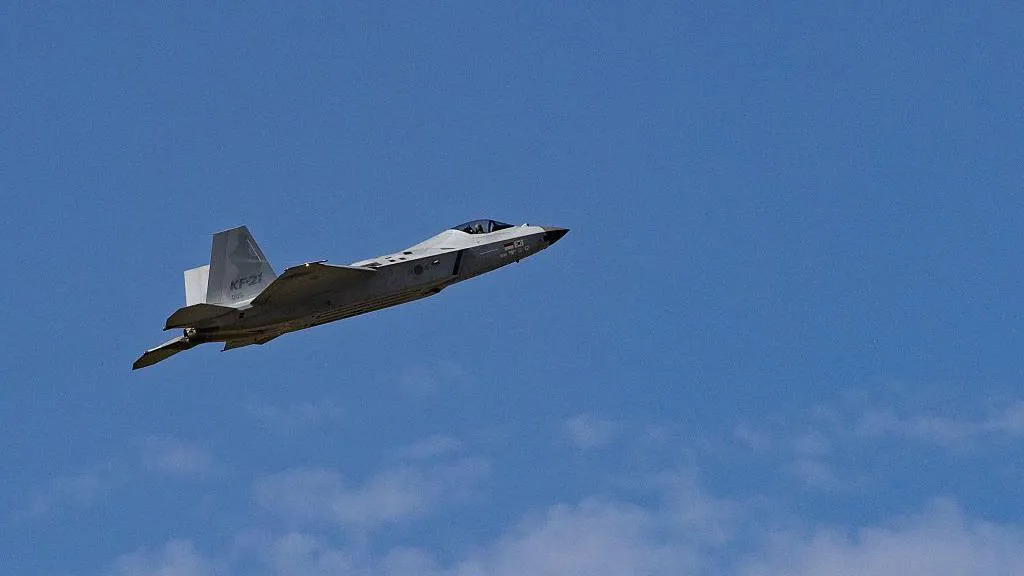
South Korea issued a formal protest after Chinese and Russian warplanes entered its Air Defense Identification Zone, marking one of the latest South Korea air defense zone incursions. This escalated regional concerns over airspace security and territorial sensitivity across Northeast Asia. The incident prompted Seoul to deploy fighter jets. Military officials described this as a necessary tactical response. This move reflects the increasingly complicated dynamics surrounding air defense coordination in the region.
While the aircraft did not breach sovereign airspace, South Korean authorities emphasized that the repeated pattern of incursions contributes to heightened military vigilance. Analysts tracking these developments through resources like the Council on Foreign Relations observe that such encounters illustrate the broader contest for influence in the Western Pacific. This is especially true as Beijing and Moscow continue expanding their strategic cooperation. The growing frequency of joint patrols has also led South Korea to refine its tactical protocols. It has deepened collaboration with partners such as Japan and the United States.
Heightened Military Activity Raises Risks in Disputed Airspace
According to South Korean military officials, seven Russian and two Chinese aircraft crossed into the Korea Air Defense Identification Zone. This prompted immediate defensive operations. Fighter jets were launched to ensure rapid tactical readiness. This was to prevent any scenario that could threaten national security. The aircraft reportedly moved near Ulleung Island and the contested Dokdo islets. Chinese planes approached near Ieodo, an underwater rock that remains a point of dispute between Seoul and Beijing.
The Korean Joint Chiefs of Staff confirmed that both groups of aircraft later regrouped near Japan’s Tsushima Island. This area is frequently monitored by regional defense agencies. It is analyzed in strategic studies by institutions such as the RAND Corporation. These areas are characterized by overlapping air defense claims and deep historic tensions. This situation often contributes to diplomatic friction and intensified military posture. Although air defense identification zones are not recognized as sovereign airspace under international law, they form a crucial early-warning buffer for national security. South Korean officials reiterated that they will continue to respond firmly to all unauthorized entries in accordance with international norms.
Territorial Claims and Strategic Disputes Intensify Regional Friction
The air defense encounter highlights longstanding disputes involving Dokdo, a cluster of islands claimed by South Korea, Japan, and North Korea. For South Korea, Dokdo remains a symbol of national sovereignty, while Tokyo asserts its own claim under the name Takeshima. In contrast, Ieodo—situated near Jeju Island—has become an ongoing point of contention between South Korea and China. Both countries include the submerged rock within their respective air defense zones. These territorial disagreements often intersect with military exercises, diplomatic negotiations, and strategic posturing. Analysts following regional maritime disputes through research from the Asia Maritime Transparency Initiative note that both China and Russia have intensified patrols across the East China Sea and Western Pacific.
The latest joint air operation, confirmed by Beijing as part of an annual cooperation plan, reinforces the perception that China and Russia are aligning more closely in response to evolving regional alliances. South Korea’s Ministry of National Defense emphasized that repeated incursions destabilize the delicate balance of security. This contributes to increased operational risk for all involved.
China-Russia Cooperation Expands Despite Diplomatic Pushback
China’s Defense Ministry confirmed that the joint patrol carried out with Russian aircraft forms part of a regular program. It is designed to strengthen coordination and address large-scale regional challenges. Officials in Beijing characterized the flights as consistent with international practices. They reaffirmed that the objective was to maintain peace and stability. Moscow, however, continues to dismiss the legitimacy of South Korea’s air defense zone, describing it as a unilateral construct with no binding authority.
While these positions have been reiterated on multiple occasions, the frequency of joint air operations continues to rise. This adds pressure on Seoul to reinforce its air surveillance capabilities and deepen strategic dialogue with its allies. Analysts monitoring geopolitical shifts through platforms like the Korea Economic Institute say that the incursions signify more than routine military cooperation. They reflect a deliberate demonstration of shared strength at a time when regional defense frameworks are evolving. South Korea has warned that future responses will remain swift and assertive. It underscores its commitment to defending its air defense boundaries amid an increasingly complex security environment.