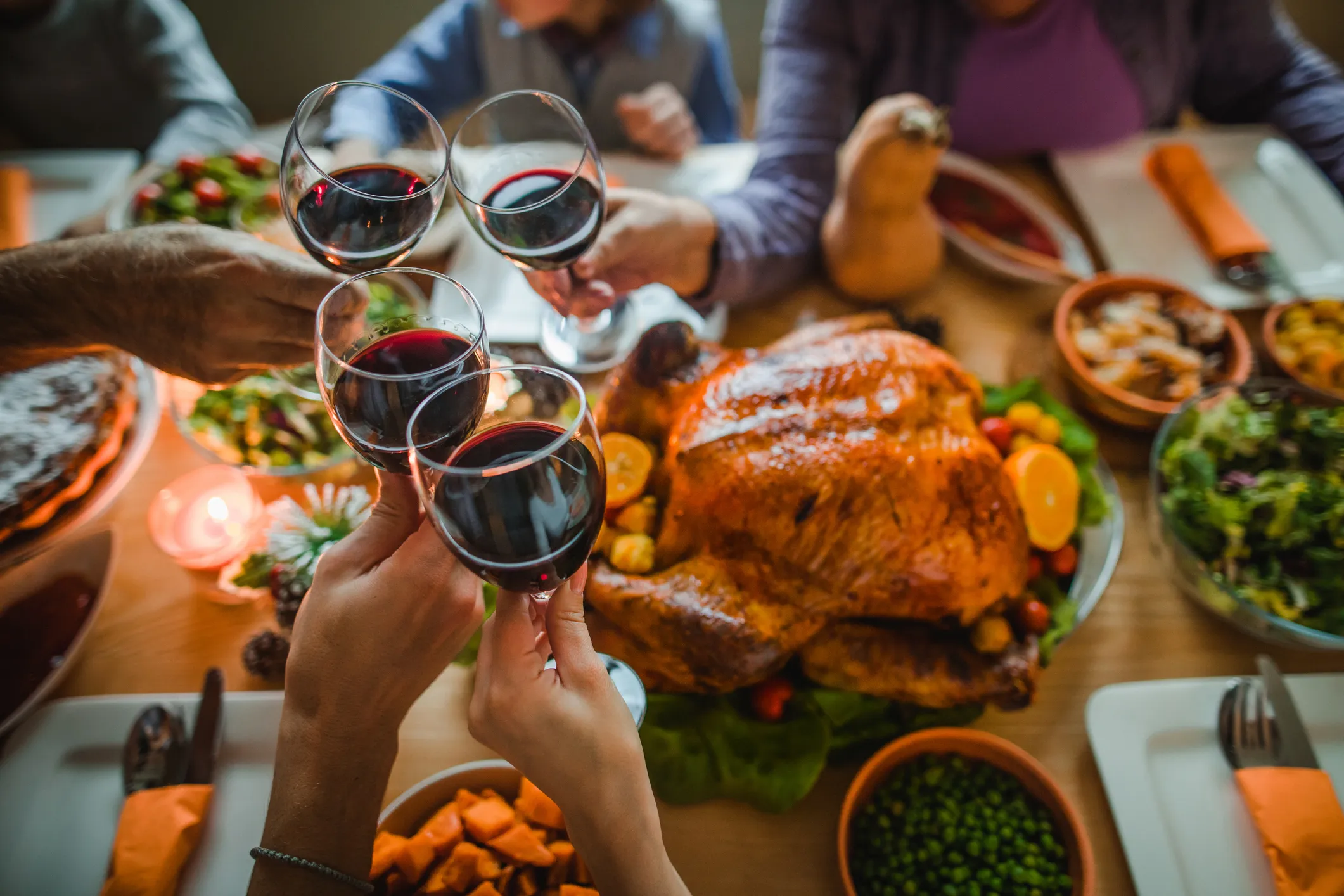
Humans have gathered around meals for thousands of years, turning food into a social ritual that strengthens bonds and defines cultural identity. Across countries, traditions, and eras, sitting together to eat continues to shape how people interact, cooperate, and build trust. Even in an increasingly digital era, shared meals and human connection remain an anchor, offering moments of comfort, communication, and belonging. Today, families and friends still celebrate milestones, holidays, and simple daily moments through food, reinforcing the deep-rooted instinct to connect around a table.
The Ancient Origins of Eating Together
The tradition of sharing meals likely began around early campfires, where humans coordinated hunting, foraging, and cooking efforts. Sharing meals and human connection through these acts of collaboration naturally fostered social bonds. Cooking made food safer and easier to digest, and gathering around firelight allowed groups to extend conversations into the evening, strengthening trust and collective identity. Other primates distribute food, but humans uniquely transformed eating into a structured ritual, incorporating synchronized actions, storytelling, and emotional cooperation. This ritualized behavior helped strengthen group cohesion—something that remains visible in modern dinners, celebrations, and cultural gatherings. To explore ancient human behavior and cultural evolution, readers can visit National Geographic or research archaeological insights through institutions such as Smithsonian.
Why Shared Meals Boost Wellbeing and Trust
Eating with others consistently correlates with improved wellbeing and a greater sense of belonging. Coordinated actions—such as eating the same dish or following similar rhythms at the table—trigger the brain’s endorphin system, which enhances bonding and emotional closeness. This shared experience can create feelings of safety, trust, and cooperation, similar to the effects of group exercise or collective rituals. Studies also show that people who eat the same food are more likely to trust one another, negotiate better, and feel emotionally aligned. This phenomenon is a key aspect of sharing meals and human connection, as it may stem from ancient contexts where shared food preferences signaled shared values or tribal identity. These instincts continue today, whether in family dinners, friendly gatherings, or workplace meals. For more information on mental wellbeing and social connection, readers can explore HelpGuide or browse behavioral insights on Psychology Today.
The Complex Realities of Feasts, Family Meals, and Social Dynamics
Although sharing meals is often associated with joy and togetherness, it also reflects social dynamics that can be complex. Throughout history, feasts have been used to showcase power, generosity, or dominance. Harvest celebrations hosted by landowners, company banquets, or formal dinners can subtly reinforce hierarchy, with food acting as a symbol of status. Even family meals—frequently celebrated as essential for wellbeing—can sometimes involve tension, criticism, or emotional conflict. For some individuals, eating with loved ones may shift from a comforting ritual to a stressful experience. Interestingly, research among elderly communities suggests that many enjoy eating alone and do not feel distressed unless they are already experiencing loneliness. Their sense of comfort comes not from meal format but from the emotional environment surrounding it.
Across generations, one core idea remains constant: sharing meals is more than nourishment. It is a profound social act that shapes trust, fosters empathy, and deepens connections. Whether a quiet dinner at home or a festive gathering, food continues to be one of the most powerful ways humans come together, communicate, and strengthen relationships. This enduring tradition illustrates the significance of sharing meals and human connection in fostering societal bonds.