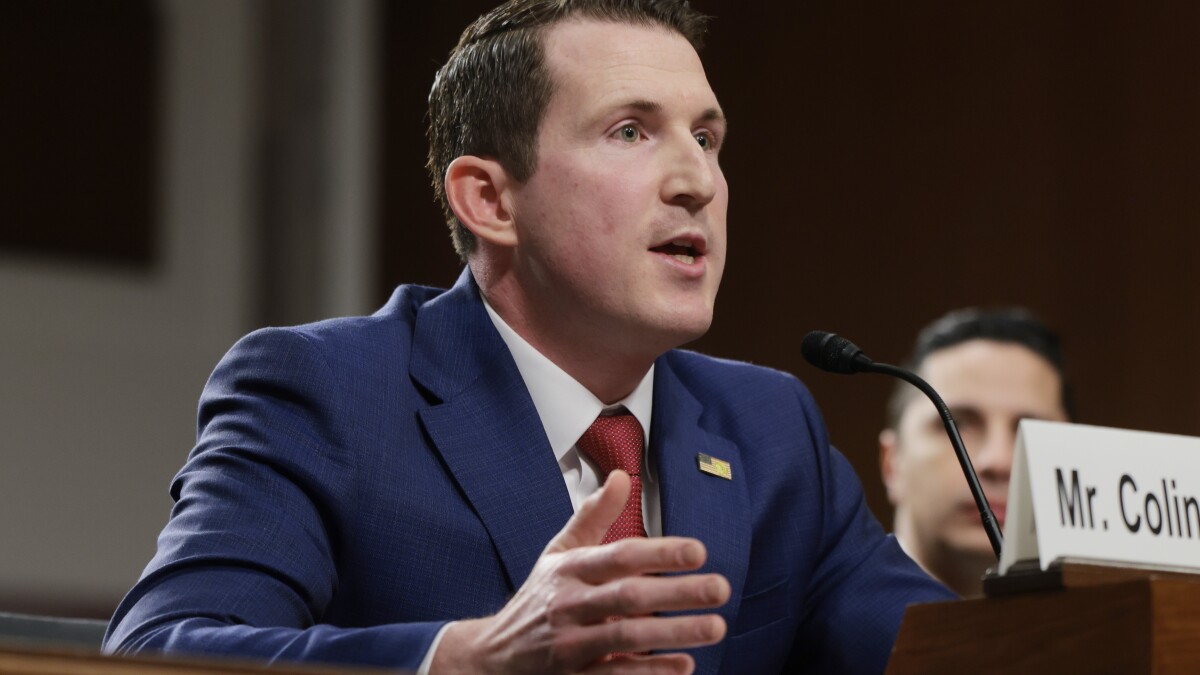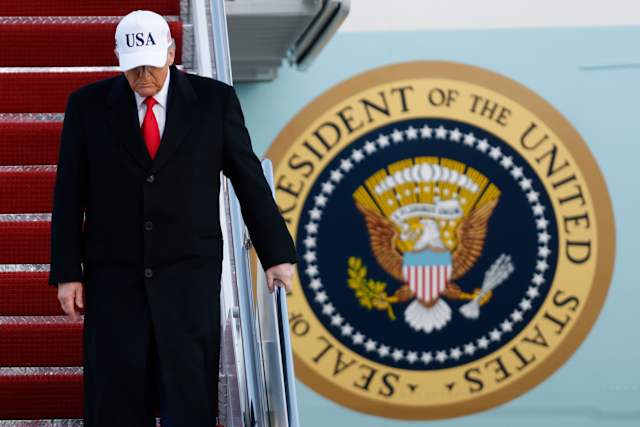
Senate Republicans in Washington successfully blocked a high-profile war powers resolution that would have required President Donald Trump to secure explicit authorization from Congress before launching any further military operations in Venezuela, a move that deepens debate over presidential authority in foreign conflicts and constitutional war powers. The measure’s defeat came on a razor-thin 51-50 vote after Vice President JD Vance intervened to break a tie, marking a dramatic and closely watched showdown in the Senate.
The resolution initially gained rare bipartisan traction when five Republican senators joined Democrats on a procedural vote to advance the measure, signaling growing concern within both parties about unchecked executive authority following a surprise U.S. operation that led to the capture of Venezuelan President Nicolás Maduro earlier this month. That initial success represented a rare rebuke of Trump from within his own party. However, intense pressure from Republican leaders, including direct outreach from the White House, shifted the calculation for some lawmakers.
GOP Unity and Procedural Maneuvers
Senate Majority Leader John Thune orchestrated a strategic maneuver to flip two of the Republicans who had previously supported the resolution, enabling the GOP to wield enough votes to block final passage of the bill. Senators Josh Hawley of Missouri and Todd Young of Indiana reversed their positions after assurances from senior administration figures, including Secretary of State Marco Rubio, that U.S. forces were not currently engaged in active combat in Venezuela and that any future major military operation would still seek congressional approval.
For more on how Congress monitors presidential military authority, see War Powers Act overview at Congress.gov. The vote underscored the deep ideological divisions within the Republican Party and highlighted the influence of party leadership in shaping foreign policy outcomes. Other Republicans who had supported the procedural vote — Susan Collins, Lisa Murkowski and Rand Paul — remained steadfast in their support for congressional oversight, drawing criticism from President Trump for their earlier break with party ranks.
Constitutional Debate Over War Powers
Critics of the resolution argue that the Constitution clearly grants Congress the authority to declare war, and that limiting presidential ability to act in emergencies would hamper national security. Advocates for the bill countered that the president’s unilateral decisions to engage in foreign military operations without prior authorization undermine the checks and balances designed to prevent executive overreach. See related analysis on war powers and U.S. law at Oyez.org. Senate Democrats, led by Senator Tim Kaine, vowed to continue pursuing legislative efforts to assert congressional oversight on future military actions, especially in light of broader global tensions.
The blocked resolution also raises questions about the future trajectory of U.S. involvement in Venezuela and potential implications for broader Latin American policy. As lawmakers return to Washington, political strategists and analysts alike will be watching whether similar measures are introduced in the House, or whether diplomatic pressure and legal frameworks will become focal points for debate. For background on Venezuela’s political landscape, visit Venezuela news and analysis at BBC.com.
Implications and Next Steps
The Senate vote reflects broader partisan dynamics and competing visions of U.S. foreign policy in the coming months. With the Trump administration’s actions in Venezuela and other regions under continued scrutiny, congressional leaders from both sides of the aisle are likely to revisit war powers legislation, explore alternative resolutions, and continue public discourse on the balance of military authority between the executive branch and the legislature. As lawmakers weigh these issues, public interest and international reactions may shape the political environment in unexpected ways. For deeper insights into executive war powers cases, see Supreme Court and war powers context at SCOTUSblog.