Senate Approves New DOJ Fraud Enforcement Leadership
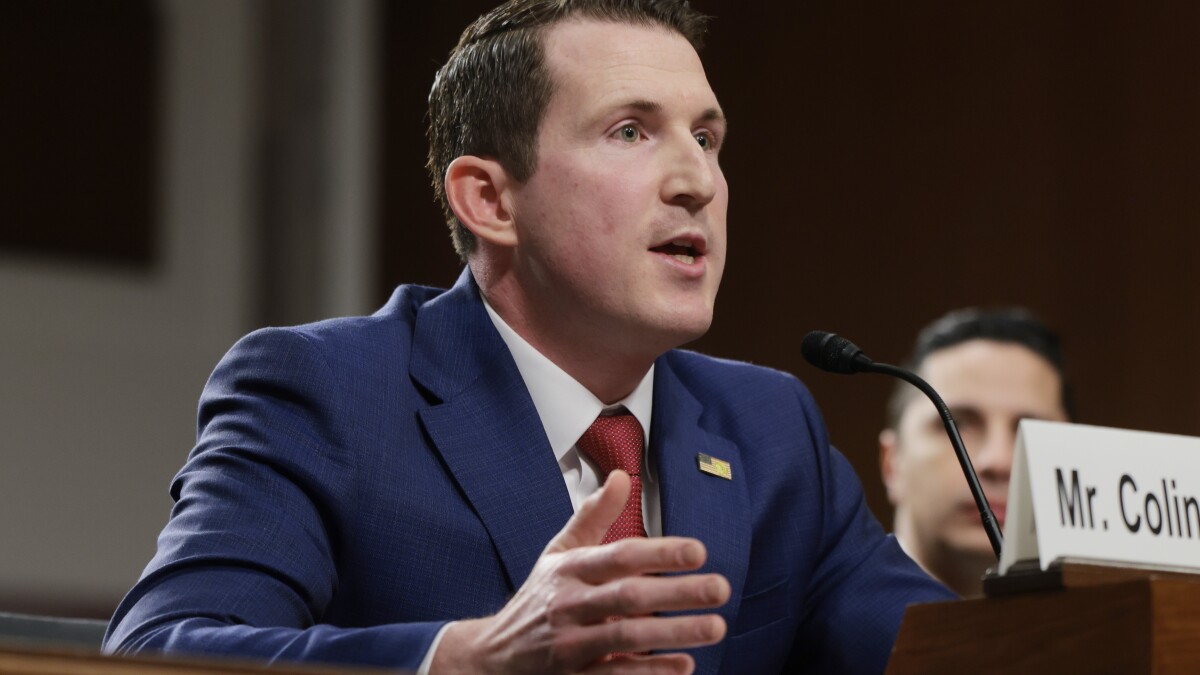
The U.S. Senate has confirmed Colin McDonald as assistant attorney general for fraud enforcement, marking the creation of a new leadership role within the U.S. Department of Justice focused on prosecuting fraud tied to government programs. The confirmation passed with a 52-47 vote, reflecting a divided chamber and underscoring the political sensitivity surrounding the position.
The appointment aligns with broader efforts by Donald Trump to prioritize investigations into fraud involving taxpayer-funded programs. The administration has framed the initiative as a critical step toward protecting public funds and addressing widespread abuse in systems such as healthcare, food assistance, and other federal benefits.
Supporters argue that strengthening enforcement mechanisms is necessary given the scale of fraud affecting public programs. Lawmakers backing the nomination emphasized that both major political parties share an interest in ensuring accountability and preventing misuse of taxpayer dollars.
New Task Force Raises Questions About Oversight
The confirmation comes alongside the rollout of a government-wide anti-fraud initiative led by JD Vance, who will oversee a task force designed to coordinate enforcement across federal agencies. The initiative is expected to include representation from the Justice Department and aims to expand investigations beyond isolated cases.
However, the structure of the new division has raised concerns among critics, particularly regarding its independence from the White House. Some lawmakers and former prosecutors have questioned whether direct coordination with executive leadership could influence prosecutorial decisions.
These concerns are tied to statements suggesting that the new role could maintain close communication with senior administration officials. Critics argue that maintaining a clear separation between political leadership and law enforcement decisions is essential to preserving credibility and public trust.
At the same time, the administration has pointed to high-profile fraud cases, including investigations in Minnesota, as justification for expanding enforcement efforts. Officials have highlighted large-scale schemes involving hundreds of millions of dollars in alleged misuse of public funds as evidence of the need for a more centralized approach.
Background and Policy Direction Under Scrutiny
Before his confirmation, McDonald served in senior roles within the Justice Department, including work under Deputy Attorney General leadership. His experience as a federal prosecutor in San Diego has been cited by supporters as evidence of his qualifications to lead complex investigations.
At the same time, his involvement in internal Justice Department initiatives has drawn scrutiny from some lawmakers. Questions have focused on whether his previous work could influence how the new fraud enforcement division prioritizes cases.
McDonald has stated that his approach will be guided by evidence and legal standards, emphasizing that all prosecutions should be fair and impartial. His stated priorities include addressing fraud in programs such as Medicaid and food assistance, which represent significant portions of federal spending.
Despite concerns about potential overlap, supporters of the initiative argue that the scale of fraud justifies additional resources and leadership. They contend that expanding enforcement capacity could improve coordination and lead to more effective prosecutions.
The confirmation signals a shift in how federal authorities may approach fraud investigations moving forward, with increased attention on centralized oversight and interagency collaboration. As the new division begins operations, its impact on enforcement practices and institutional independence will likely remain a focal point in ongoing political and legal debates.