Putin Reinforces Donbas Objective as Ukraine Rejects Territorial Concessions
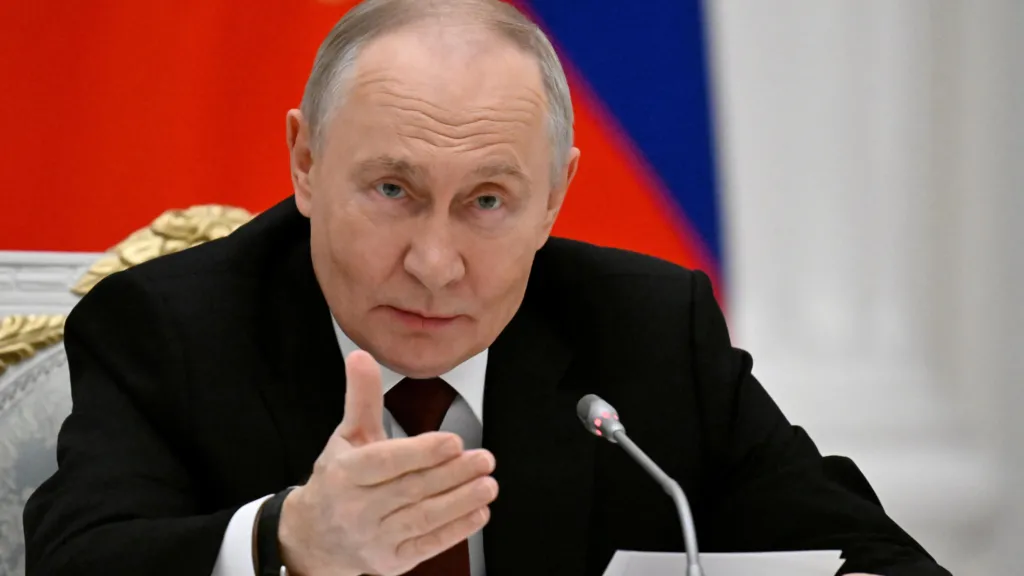
A new wave of geopolitical tension has surged after President Vladimir Putin emphasized that Russia is prepared to take full control of the Donbas region by force if Ukrainian troops do not withdraw voluntarily. His statement, delivered during a high-profile interview, adds new pressure on ongoing diplomatic efforts. It deepens uncertainty over potential pathways to ending the war. While Moscow continues to frame its strategy around reclaiming what it calls historically linked territory, Ukrainian President Volodymyr Zelensky maintains a firm position against relinquishing land—whether occupied or contested. This creates a widening gap between both sides’ objectives.
Before the latest negotiations, Russian forces already controlled approximately 85% of the Donbas. This gives Moscow significant leverage as talks evolve. Ukraine, however, continues to rely heavily on strategic partnerships and global support. Platforms such as https://www.nato.int provide ongoing updates on defense coordination and assistance packages that influence battlefield dynamics. As tensions escalate, discussions increasingly revolve around whether territorial integrity can be preserved without triggering further military escalation.
Simultaneously, the U.S. diplomatic delegation attempted to reinvigorate discussions by meeting with Russian leaders in Moscow and planning subsequent engagements with Ukrainian negotiators. Former U.S. President Donald Trump characterized the talks as “reasonably good.” However, he admitted the outcome remained unpredictable. His envoy, Steve Witkoff, held extended discussions with Russian officials, underscoring the complexity of issues such as the status of occupied areas and long-term security guarantees for Ukraine. Complementary insights from https://www.state.gov shed light on how the U.S. continues to balance diplomatic negotiation with strategic deterrence.
Putin insisted that Russia had not reviewed any updated versions of the U.S. peace framework prior to these lengthy discussions. This reinforces claims that Moscow perceives ongoing negotiations as unbalanced. His team stated that no points of compromise emerged, especially on matters relating to Ukrainian territorial sovereignty. Meanwhile, rising unease within European governments led many leaders to reassess whether negotiations risk producing outcomes that could weaken Ukraine’s defensive posture without ensuring adequate security commitments.
European Leaders Warn of Potential Territorial Concessions as Negotiations Intensify
High-level discussions within Europe revealed significant anxiety over the trajectory of the negotiations. Internal debates reportedly expressed concern that Ukraine might face pressure to concede strategically important areas without receiving solid, long-term security guarantees in return. French, German, and Nordic leaders highlighted the need for a unified European stance. They emphasized the dangers of separate diplomatic approaches that might contradict continental security interests.
Ukrainian officials, including Foreign Minister Andrii Sybhia, openly accused Russia of deliberately stalling progress. They reiterated that negotiations must be strengthened through coordinated international pressure, echoing calls for deeper support from allied nations. Additional geopolitical analyses available through https://www.euractiv.com describe how European policymakers are pushing for a peace framework. This framework aims to maintain territorial sovereignty while preventing Moscow from leveraging its battlefield advantage.
President Zelensky has insisted that Ukraine will not be left alone in negotiations. He continues to advocate for comprehensive security guarantees capable of preventing future invasions. Ukrainian diplomats have been working closely with both American and European teams to revise elements of the initial U.S. peace proposal. Kyiv considered the proposal to be overly favorable to Russia. According to Ukrainian statements, their negotiators successfully introduced major revisions to ensure that territories currently under Ukrainian control would not be relinquished.
At the same time, battlefield developments continue to influence diplomatic positions. Russian advances in southeastern Ukraine, despite substantial casualties, strengthen Moscow’s bargaining position. Kyiv emphasizes that ceding land under military pressure contradicts the principles of international law. They argue that any agreement must prevent Russia from using force as a negotiating tool. Analysts from https://www.atlanticcouncil.org have noted that the future of the conflict may hinge on how negotiations respond to Russia’s long-term strategic objectives. It also depends on whether allied nations increase their support in response.
Shifting Diplomacy, Rising Risks, and the Global Implications of a Forced Donbas Takeover
As tensions deepen, global observers warn that Russia’s hardened stance could reshape diplomatic norms surrounding territorial conflicts. Moscow’s approach—offering negotiations while reaffirming readiness to use force—signals a broader geopolitical shift. Many analysts believe this shift could influence future international conflicts. Ukraine continues to insist that no agreement is possible without full recognition of its territorial boundaries. Meanwhile, Russia maintains that it is unwilling to discuss any solution that contradicts its strategic claims over the Donbas.
The evolving roles of the U.S., European Union, and regional alliances now determine much of the diplomatic landscape. Negotiators from Washington and Kyiv recently issued a joint statement describing progress toward developing an “updated and refined peace framework,” yet withheld key details. The opacity surrounding these revisions has increased anxiety among European partners concerned about potential territorial concessions being discussed behind closed doors.
Meanwhile, leaders across Europe expressed fear that Ukraine could face undue pressure during the next phases of negotiation. They encouraged Zelensky to remain vigilant, emphasizing that the political and diplomatic stakes extend far beyond Ukraine’s borders. The issue not only concerns control of the Donbas but also the precedent such negotiations could set for future territorial disputes worldwide.
As international pressure mounts, the conflict remains deeply complex. Russia’s insistence on full territorial control over the Donbas continues to obstruct diplomatic progress. Meanwhile, Ukraine remains reliant on global alliances to prevent outcomes that could compromise its sovereignty. The coming rounds of negotiation may determine whether the conflict moves toward de-escalation. Alternatively, it could enter an even more dangerous phase with long-lasting repercussions for European and global stability.