G7 tensions grow over Iran strategy
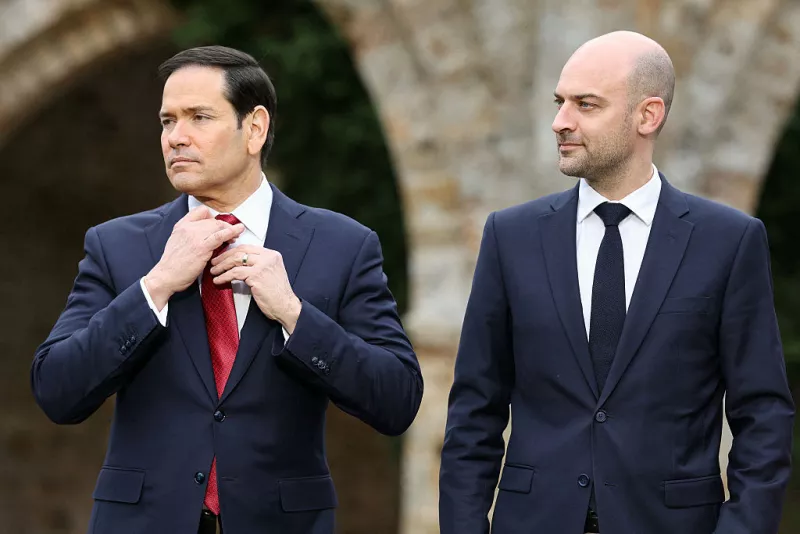
U.S. Secretary of State Marco Rubio has arrived in Europe aiming to consolidate support among leading Western allies for Washington’s stance in the escalating Iran conflict. The gathering of foreign ministers from the world’s most advanced economies comes at a moment of visible strain between the United States and its traditional partners, many of whom remain cautious about deeper involvement in a prolonged military confrontation.
The meeting, hosted in France, is expected to focus heavily on the geopolitical and economic fallout from the war, particularly the disruption caused by Iran’s control over a critical maritime corridor. Discussions are also expected to address diplomatic pathways, with some European officials advocating for de-escalation rather than further military engagement.
Rubio has emphasized that global stakeholders have a vested interest in stabilizing the region, particularly given the economic importance of energy flows. In remarks ahead of the summit, he suggested that the burden of responding to the crisis should not fall solely on Washington, pointing to the broader international reliance on oil shipments passing through the region. Analysts monitoring global energy markets note that volatility has intensified as uncertainty persists.
Military movements and regional diplomacy
As diplomatic talks unfold, military activity continues across multiple fronts. The United States has reinforced its presence in the region, while Israel has expanded its operations targeting strategic infrastructure linked to Iran. Simultaneously, Iran has responded with missile and drone strikes affecting several Gulf states, raising fears of a wider regional escalation.
In parallel, Ukrainian President Volodymyr Zelenskyy has made an unexpected visit to Saudi Arabia, signaling a broader geopolitical alignment that could reshape security cooperation in the Middle East. He has highlighted Ukraine’s experience with advanced defense technologies, particularly drones, as a potential asset for regional partners.
These developments come amid ongoing backchannel communication efforts involving intermediary nations. While no formal agreement has been reached, diplomatic channels remain active. Observers tracking international diplomacy efforts point to a complex web of negotiations involving multiple actors, each with distinct strategic interests.
Economic pressure and global market impact
The economic consequences of the conflict are becoming increasingly evident. Oil prices have surged as supply routes remain constrained, with benchmarks climbing above $110 per barrel in recent trading sessions. This spike has contributed to inflationary pressures worldwide, complicating monetary policy decisions for central banks.
Financial markets have reacted sharply to the uncertainty. Equities have experienced notable declines, while investors have reassessed risk exposure across asset classes. The interplay between energy costs and inflation expectations has added another layer of complexity to an already fragile global outlook.
Economic institutions are warning that prolonged disruption could slow growth in major economies. Forecasts tracked through >global economic outlook data indicate rising inflation and weaker expansion prospects, particularly in energy-dependent regions. At the same time, supply chain disruptions are affecting key commodities, further amplifying market instability.
Trade flows have also been impacted, with shipping delays and increased costs affecting industries worldwide. Monitoring platforms such as international trade indicators suggest that continued instability could have long-term implications for global commerce and investment patterns.