The arrival of 2026 marks a significant milestone for creators, educators, publishers, and cultural institutions across the United States, as a wide range of influential works from 1930 officially enter the public domain. Under U.S. copyright law, these materials become free to use, adapt, and distribute without licensing fees, expanding access to some of the most recognizable characters and artistic expressions of the early twentieth century.
This annual transition has grown in importance as copyright terms have stabilized, allowing new generations to rediscover creative works that have shaped modern entertainment, literature, and visual art. The 2026 class stands out not only for its volume, but also for the enduring cultural relevance of many of the works now becoming freely available.
Classic Characters Enter a New Creative Era
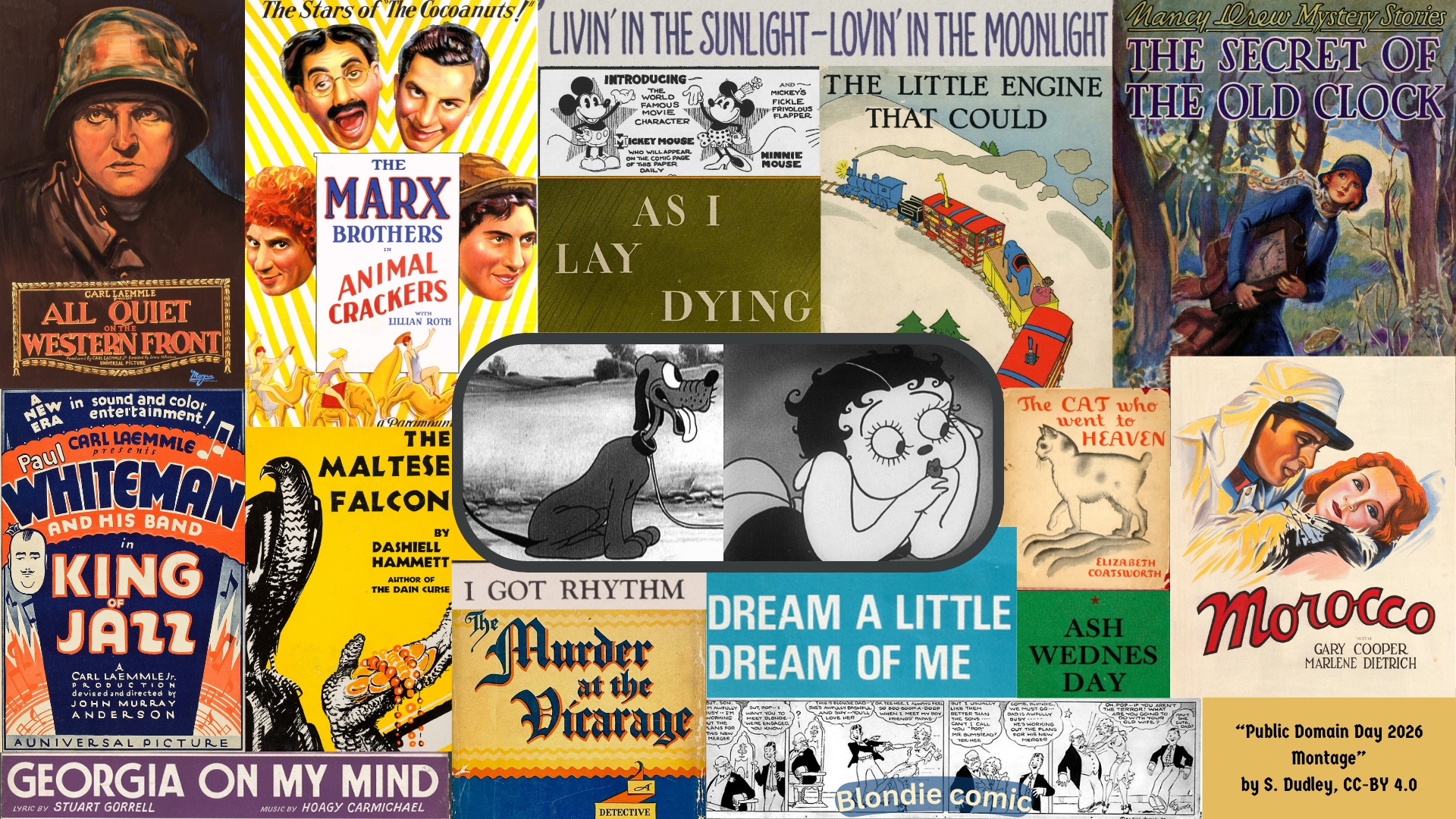
Among the most notable public domain entrants are early versions of beloved animated characters whose visual identities helped define modern animation. The original incarnation of Betty Boop, first imagined with canine features before evolving into her familiar human form, is now available for reinterpretation in new creative contexts. Early animated shorts featuring Disney’s Pluto, originally introduced under the name Rover, also fall into the public domain, offering insight into the evolution of studio animation styles that continue to influence the industry today.
This moment presents an opportunity to explore how early animation studios established visual language and character development techniques that still echo across contemporary media. Institutions like Duke University have played a central role in documenting this shift, highlighting how public domain access supports cultural preservation and innovation, as explored through academic initiatives at https://law.duke.edu.
Literary and Cinematic Works Gain New Life
The 2026 public domain class includes a strong literary presence, featuring novels that shaped American and British storytelling. Works such as As I Lay Dying by William Faulkner and the original Nancy Drew mysteries now become available for adaptation, republication, and reinterpretation. These texts provide new opportunities for educators, independent publishers, and digital platforms to engage readers without copyright barriers.
Cinema also plays a major role in this year’s transition. Films released before the enforcement of the Motion Picture Production Code reflect a period of creative freedom rarely seen in later decades. Early sound films, war dramas, comedies, and experimental works are now accessible for restoration, streaming, and creative reuse. Archival institutions like the Library of Congress continue to preserve and contextualize these works, reinforcing their relevance to modern audiences through resources available at https://www.loc.gov.
Music, Art, and the Broader Cultural Impact
Beyond film and literature, the public domain expansion includes widely recognized musical compositions and landmark works of visual art. Songs that have become standards of the American songbook now enter a new phase of cultural circulation, allowing musicians, filmmakers, and advertisers to incorporate them freely into new projects.
Visual art also benefits from this transition, with iconic modernist paintings and historically significant designs becoming openly accessible. The broader implications extend beyond creativity, touching education, technology, and historical research. Government resources such as the U.S. Copyright Office at https://www.copyright.gov provide guidance on how public domain status supports lawful reuse and innovation.
As digital platforms and streaming services continue to grow, the public domain serves as a foundation for experimentation, preservation, and global access. Cultural organizations, including major entertainment companies whose histories intersect with these early works, continue to explore their archives while navigating modern intellectual property landscapes, as reflected in historical overviews available through platforms like https://www.disney.com.