A new national poll shows Americans are sharply divided over whether the National Guard should be present at polling places during the upcoming midterm elections. The survey found that 46% of respondents support the idea, while 54% oppose it, highlighting growing debate about election security and the role of government authority in voting.
The findings come from a joint survey conducted by NPR, PBS NewsHour, and Marist Poll, released as political tensions surrounding election administration continue to intensify in the United States.
Debate Over Military Presence at Elections
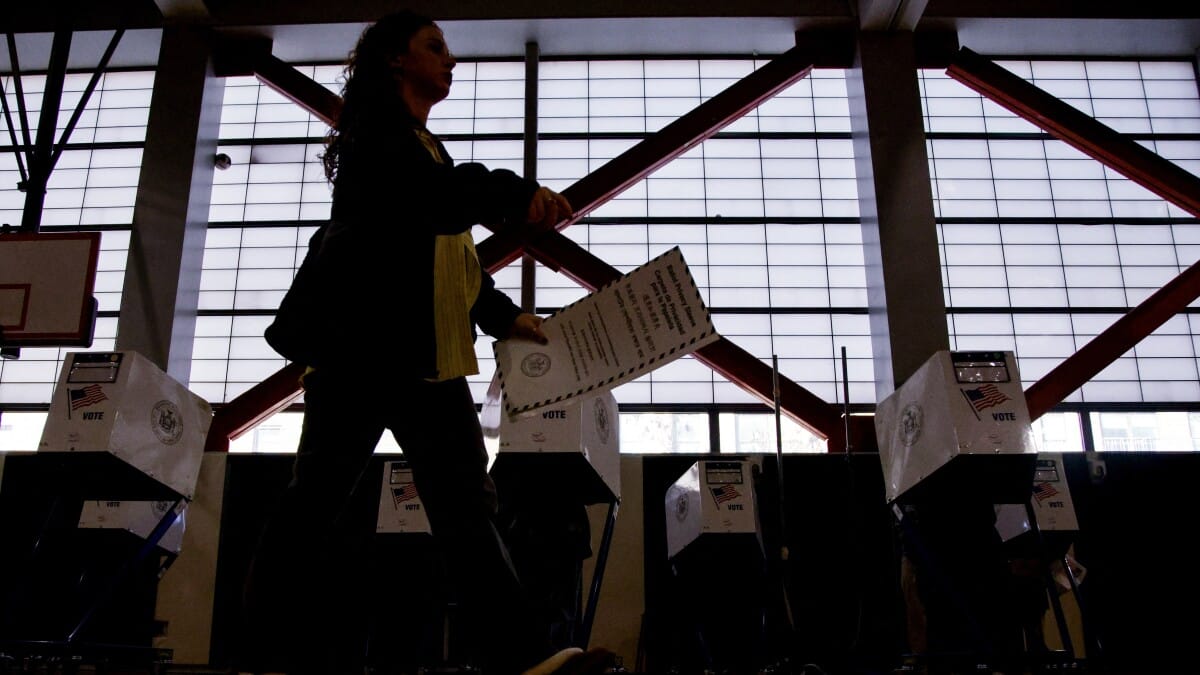
The idea of deploying National Guard troops at polling sites has drawn attention in recent years amid concerns about election security and political rhetoric surrounding voting procedures.
Under federal law, the president cannot directly order National Guard members to monitor elections. However, governors can deploy their state’s National Guard units for certain roles related to election operations, such as logistical support or emergency response.
Legal experts say these deployments are typically limited in scope and are not intended to monitor voters or oversee the voting process directly.
Poll Reflects Partisan Differences
According to the poll, support for National Guard involvement tends to be higher among Republican voters than among Democrats. The issue has become part of broader political debates about federal authority, election integrity, and voter access.
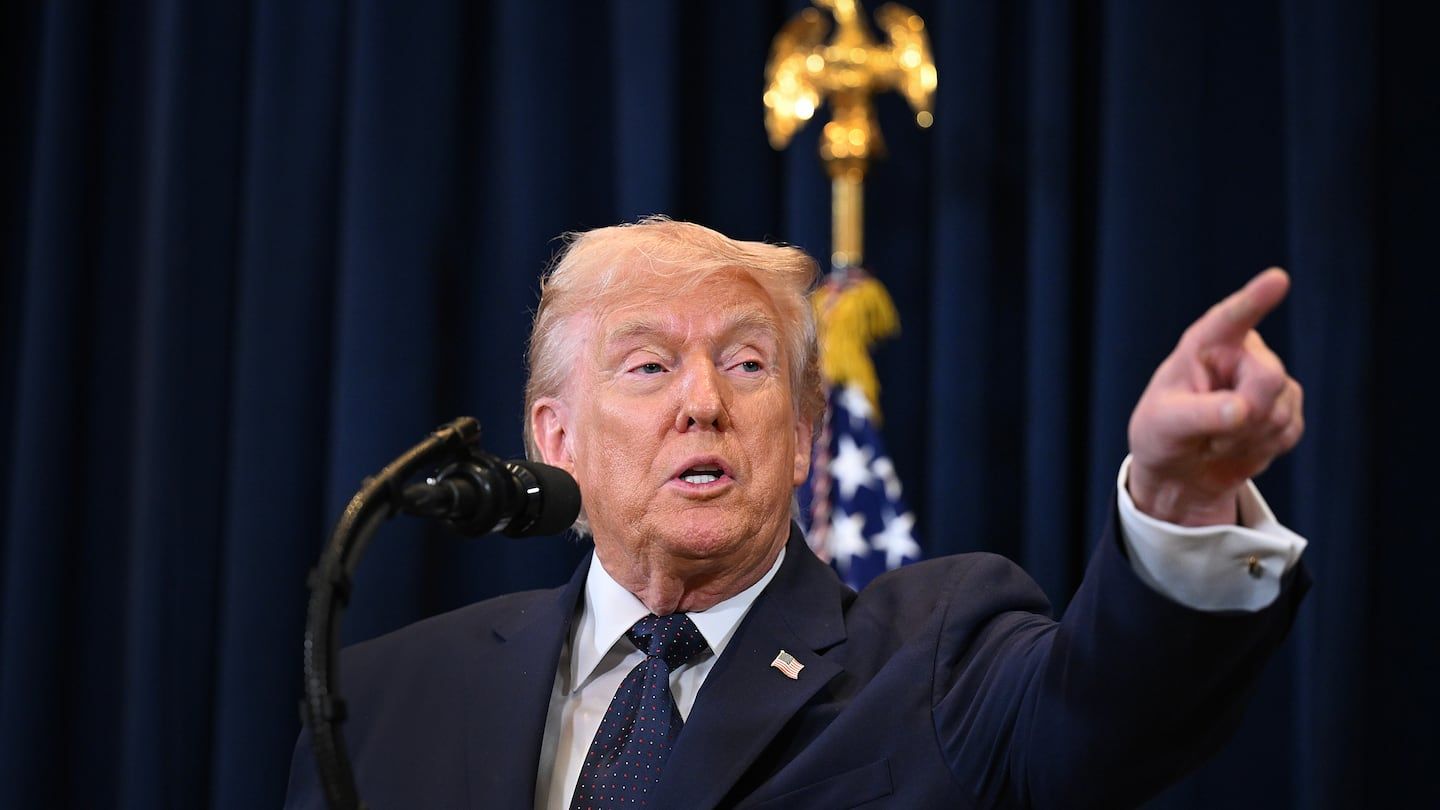
Donald Trump has previously discussed the possibility of using the National Guard during elections. In a January interview with The New York Times, he said he wished he had deployed Guard members during the 2020 election to seize voting equipment—an idea tied to his continued claims that the election results were manipulated.
Election officials across several states have expressed concern about the implications of using military personnel near polling sites, noting that such actions could create confusion about the voting process.
Security Concerns Influence Public Opinion
Some experts believe current global tensions and domestic security concerns may affect how Americans view the issue.
Election law scholar Michael Morley of Florida State University suggested that public attitudes could be influenced by recent events, including international conflicts and domestic security incidents.
When security concerns rise, some voters may view the presence of military personnel as a precaution rather than a threat to democratic norms. Others argue that visible military forces near polling places could intimidate voters or undermine trust in election independence.
Ongoing Debate Ahead of Midterms
As the United States prepares for the 2026 midterm elections, discussions about election security, voting rules, and federal authority are likely to remain central issues in national politics.
Election administrators emphasize that the country’s voting infrastructure is typically managed by state and local governments, which oversee polling locations, ballot handling, and voter registration systems.
The poll results suggest that while Americans remain divided on the role of the National Guard in elections, the issue continues to reflect broader debates about security, democracy, and public trust in the electoral process.