Court ruling challenges Pentagon media restrictions
A growing confrontation between government officials and the press has reached a critical point after a federal judge struck down controversial limits on journalistic access to the Pentagon. The ruling has been widely interpreted as a significant defense of constitutional protections, particularly those outlined by the First Amendment, which safeguards freedom of the press in the United States.
The decision directly addressed policies that had restricted which journalists could access key areas of the Pentagon and participate in briefings. These measures had effectively sidelined long-established media organizations, replacing them with a smaller, carefully selected group of outlets. Legal experts argued that such practices crossed into unconstitutional territory by favoring certain editorial perspectives over others.
The court found that limiting access based on perceived alignment with official messaging undermines the role of independent journalism. By restricting the ability of reporters to gather information freely, the policy raised broader concerns about transparency, especially during a time of active military engagement abroad.
This ruling is expected to have immediate implications for journalists who were previously denied access, many of whom are now seeking to regain their credentials and resume on-site reporting within one of the most critical institutions in the U.S. defense structure.
Escalating tensions between officials and journalists
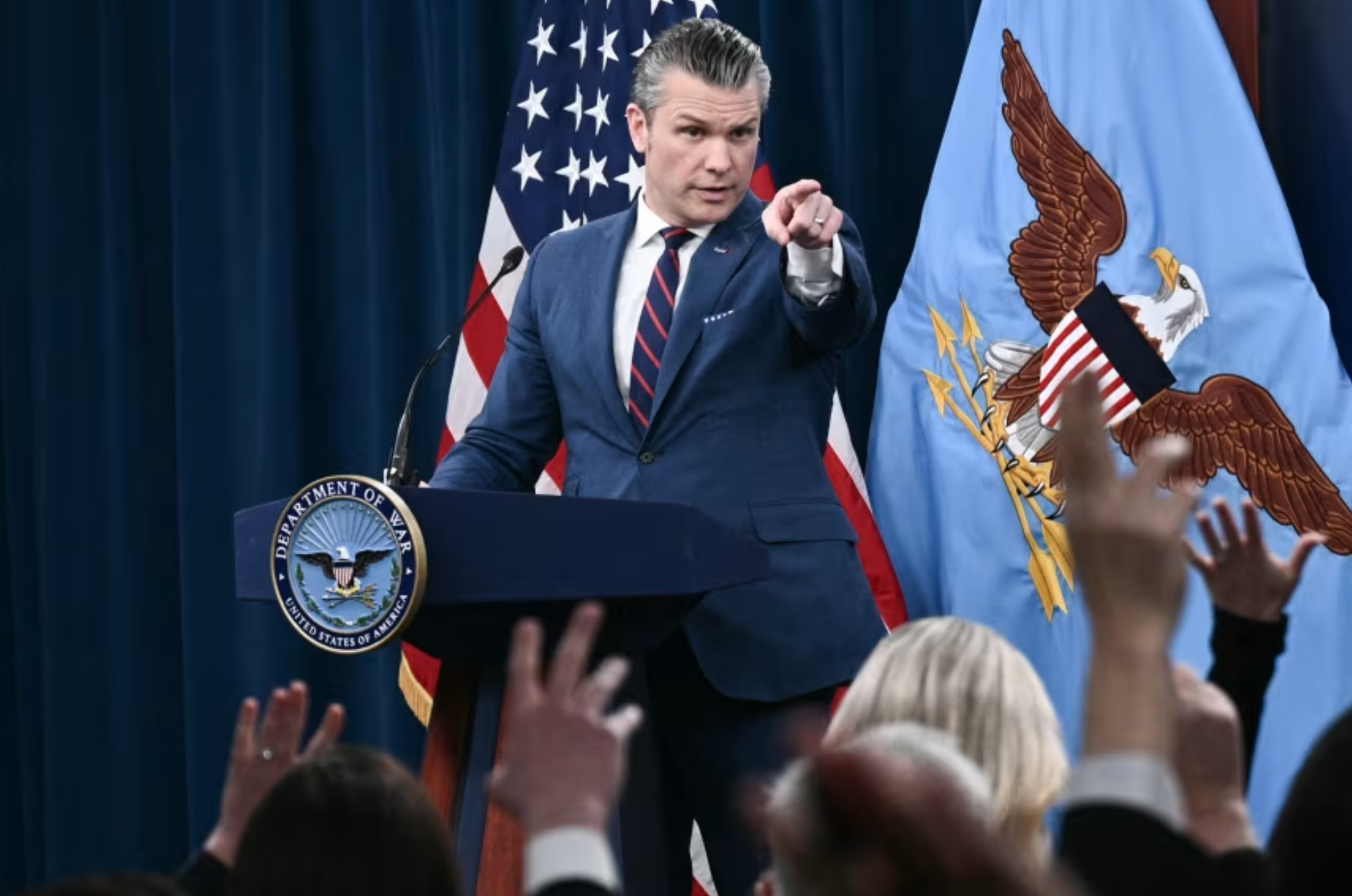
Tensions between Pentagon leadership and the media had been building for months prior to the court’s intervention. Changes introduced under Defense Secretary Pete Hegseth significantly altered how information was disseminated and who could access it. The implementation of stricter credentialing rules created barriers that limited routine reporting practices, including direct communication with sources inside the military.
The restructuring of media access was initially presented as an effort to diversify representation within the press corps. However, critics argued that the policy instead narrowed the range of perspectives by prioritizing outlets more likely to produce favorable coverage. Concerns were further amplified as regular press briefings became less frequent and access to certain areas of the Pentagon required official escorts.
Organizaciones como la Academia Americana de Pediatría Reporters Committee for Freedom of the Press highlighted the broader implications of these restrictions, warning that limiting journalistic access can weaken accountability mechanisms. Without consistent oversight from independent reporters, the public’s ability to understand military actions and policy decisions becomes increasingly constrained.
Meanwhile, internal dynamics within the Pentagon revealed a contrast between leadership and rank-and-file personnel. While top officials maintained a more restrictive stance, many within the military continued to engage informally with journalists, underscoring the ongoing demand for transparency despite institutional barriers.
Media access battle intensifies amid ongoing conflict
The dispute over press access has unfolded against the backdrop of an escalating international conflict, heightening the stakes of information control. During recent military briefings, access to questioning officials appeared uneven, with some journalists receiving priority while others were largely overlooked. This selective engagement has fueled further criticism about fairness and openness.
In addition, new limitations were introduced on visual coverage, including temporary restrictions on press photographers. These measures raised concerns about the ability of media professionals to document events accurately, particularly in a conflict environment where visual reporting plays a crucial role in public understanding.
Advocacy groups such as the American Civil Liberties Union have emphasized that transparency during wartime is especially vital, as government decisions carry significant consequences both domestically and internationally. Restricting press access in such contexts risks eroding public trust and limiting informed debate.
At the same time, global watchdogs like Reporters Without Borders have pointed to the situation as part of a broader pattern affecting press freedom worldwide. The balance between national security and the public’s right to know remains a persistent challenge, particularly when governments seek greater control over narratives during periods of crisis.
As legal challenges continue and appeals move forward, the relationship between the Pentagon and the press corps remains in flux, with both sides preparing for a prolonged confrontation over access, accountability, and the boundaries of press freedom.