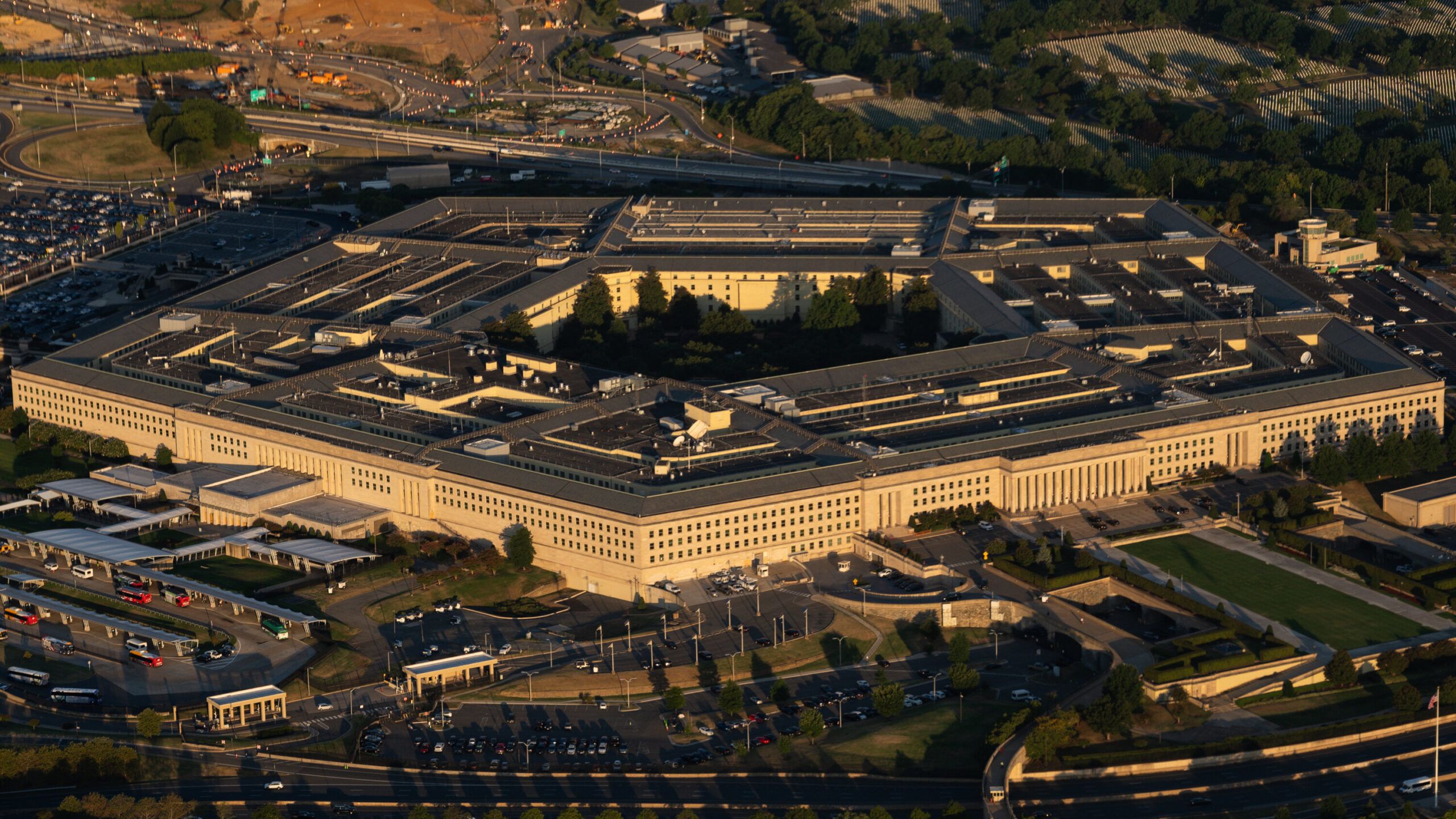
The legal confrontation over the Pentagon’s newly imposed media restrictions intensified as a major news organization filed a lawsuit challenging the Defense Department’s sweeping limits on information gathering without prior approval. The policy, announced in September, requires journalists with credentials to refrain from collecting—or attempting to collect—any unapproved information, even when it is unclassified. The measure has provoked widespread concern among press advocates who argue that the rules effectively compel dependence on official narratives and suppress independent scrutiny of military operations.
New Restrictions Intensify Concerns About Press Freedom
Under the policy, journalists who wish to maintain access are required to affirm that they will not pursue unauthorized material while reporting inside the Pentagon. The legal complaint argues that this requirement is incompatible with constitutional protections for free speech and a free press. It contends the rules would empower government officials to impose punishment on reporters who attempt to gather information that has not been cleared for release, regardless of its sensitivity or classification.
The lawsuit targets the Defense Department, its leadership, and key public affairs officials. Pentagon representatives acknowledged awareness of the legal filing and indicated their intent to defend the policy in court. Despite relinquishing credentials, several news organizations have continued reporting on U.S. military activity, including recent international operations. These reports often diverge from official statements, reflecting concerns that limiting access could obstruct public understanding of national security affairs.
Press rights organizations argue that the restrictions echo previous efforts by federal administrations to reduce critical coverage. The new rules have drawn comparisons to historic cases involving disputes over White House press access, including legal battles that resulted in restored credentials for reporters after courts determined that due process had been violated.
Growing Tensions Surrounding Oversight, Transparency, and National Security
Recent revelations about private communications among senior officials involving discussions of military actions have further intensified debates about transparency. According to findings from an inspector general, confidential exchanges among defense leadership included conversations about pending airstrikes, raising questions about operational security and oversight. These disclosures contributed to the broader context in which the new policy emerged, leading critics to argue the rules may mask internal issues within the department.
The evolving conflict is also intertwined with newly launched federal initiatives using public reporting to flag alleged media bias. Observers view this approach as part of a broader pattern in which the government encourages public distrust of established outlets. Critics warn that such strategies could reshape the relationship between the federal government and the national press, further complicating efforts to report on defense and security developments.
Changes introduced earlier in the year already limited journalists’ ability to navigate areas of the Pentagon without escorts, disrupting decades of long-standing practice. By September, the new acknowledgment requirement marked a more restrictive shift in the department’s approach to media access, prompting significant concern among legal and civil liberties organizations who emphasize the public’s right to independent oversight of military institutions.
Relevant governmental frameworks related to public transparency, such as those discussed within the U.S. Government Publishing Office (https://www.govinfo.gov/), continue to serve as key reference points in debates over information rights. Similarly, organizations focused on constitutional protections, including resources available through the American Civil Liberties Union (https://www.aclu.org/), are frequently cited as stakeholders in evaluating press access and accountability. For background on federal court decisions involving press rights, the U.S. Courts portal (https://www.uscourts.gov/) offers extensive documentation, while broader public accountability efforts can be explored through entities such as USA.gov (https://www.usa.gov/).
Shift in Press Corps Composition Raises Additional Questions
The Defense Department recently welcomed a newly credentialed press corps composed of organizations willing to sign the acknowledgment required under the policy. These groups tend to align more closely with the administration’s perspective or promote narratives favorable to its positions. Department officials publicly emphasized their belief that legacy outlets had chosen to exclude themselves from Pentagon reporting, attributing the shift to declining public trust in traditional news organizations.
Among the newly admitted correspondents are several figures known for their political advocacy, participation in high-profile legal disputes, or involvement in debates over electoral claims. Some have publicized their credentialing through social media posts, occasionally sharing incorrect claims about the facilities assigned to them inside the Pentagon. These inaccuracies fueled further criticism about transparency, accuracy and the potential influence of unverified information on public understanding of national defense issues.
As legal proceedings progress, the case is expected to shape future standards for government engagement with the press. Supporters of the challenge assert that robust independent journalism remains essential to monitoring federal agencies, especially during periods of heightened global tension and military activity. Questions surrounding due process, access rights, and the balance between national security and public accountability are likely to dominate the months ahead as the courts weigh the legality of the policy and its impact on democratic oversight.