A New Power Play in Hollywood’s Streaming War
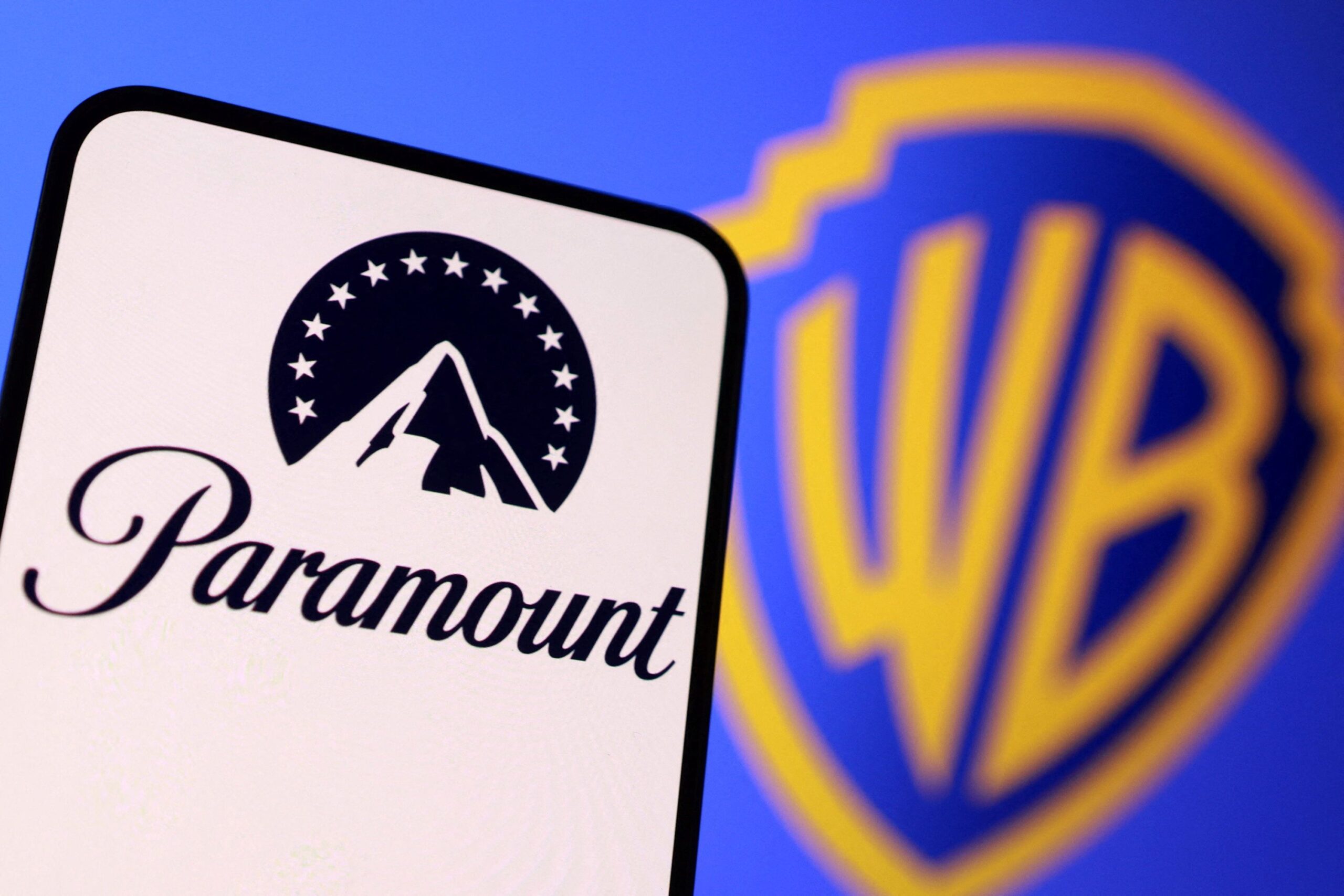
Paramount Global has ignited one of the most consequential entertainment battles of the decade. It launched an aggressive $108 billion all-cash hostile bid to acquire Warner Bros. Discovery. The offer surpasses the previously announced $83 billion Netflix-Warner agreement, which covers only Warner’s streaming platforms and studio assets. Paramount’s proposal targets the entire conglomerate—HBO, Warner Bros. Studios, CNN, cable networks, and global IP rights. This positions the company to challenge Netflix’s streaming dominance and rival industry titans like Amazon, Appley Disney.
The strategy is deeply tied to the ambition of Oracle co-founder Larry Ellison and his son David Ellison, CEO of Skydance Media. The Ellisons assumed control of Paramount this year. They have since sought to secure a transformative acquisition capable of reshaping the entertainment landscape. Their plan relies on consolidating major content libraries and expanding distribution power. Additionally, they aim to integrate Paramount+ with the Warner streaming ecosystem. This will increase market competitiveness against services like Disney+, which continues to evolve its global reach through initiatives found on platforms such as disney.com.
Beyond streaming expansion, Paramount’s bid reflects urgency over shifting consumer habits. Traditional TV ratings continue to fall, and cable revenues shrink. Meanwhile, the Hollywood pipeline is dominated by companies with enormous financial reserves. The Ellisons aim to build a Hollywood giant strong enough to withstand rapid industry disruption. This is similar to the global business transformations explored on forbes.com, which often highlight how major mergers reshape competitive markets.
Political Pressure and Regulatory Shadows
The acquisition faces a unique layer of political tension. Regulatory approval would rely heavily on review by the Federal Trade Commission and the U.S. Department of Justice. However, the process is expected to be influenced by the close ties the Ellisons have maintained with President Trump. Larry Ellison is not only a donor and adviser but also an informal ally of the administration. Meanwhile, David Ellison has steered CBS News toward leadership more aligned with conservative perspectives. This is a move designed to reduce friction with the White House.
This political realignment included strategic hires to reshape the editorial tone at CBS News. These hires are part of an effort to prevent the network from being perceived as adversarial. These decisions were made after Paramount’s former leadership settled a $16 million lawsuit initiated by Trump. The administration’s fluctuating position on media consolidation adds further uncertainty. Trump’s responses regarding the Netflix-Warner agreement have ranged from supportive to skeptical. This leaves an unpredictable regulatory environment.
Political dynamics remain fluid, and industry analysts expect the situation to echo previous high-impact mergers reported by outlets covering U.S. economic policy such as cnbc.com. Here, corporate decisions often intersect with political agendas and antitrust considerations. The future of the Paramount-Warner deal will depend on how regulators interpret market competition and media influence. They will also consider the implications of consolidating two of the world’s largest entertainment companies.
The Road Ahead for a $108 Billion Showdown
As Paramount intensifies its campaign, Warner Bros. Discovery CEO David Zaslav faces mounting pressure. The Ellisons’ unsolicited bid earlier this year forced the company to consider structural options. This eventually led Zaslav to put Warner on the market. Now, with competing offers from Paramount and Netflix, the fate of Warner Bros. Discovery hangs in a rapidly evolving entertainment arms race.
If Paramount succeeds, it would create an unparalleled entertainment empire capable of reshaping Hollywood’s future. This would potentially merge iconic properties and expand global streaming access. Additionally, it would leverage advanced digital infrastructure similar to innovations showcased through global technology platforms like techcrunch.com. Such a merger could redefine competitive boundaries. It may disrupt content licensing norms and change the strategic direction of the entire streaming ecosystem.
Yet obstacles remain substantial. The Netflix-Warner agreement sparked bipartisan resistance in the U.S. Senate. Political scrutiny only increases as Paramount escalates its ambitions. Trump’s recent public criticism of CBS News—triggered by a high-profile 60 Minutes interview—suggests that media coverage could influence regulatory sentiment. While the President has praised Netflix’s market leadership, his reactions continue to shift depending on news cycles and perceived political slights.
As both corporations maneuver for control, the entertainment industry braces for seismic change. With $108 billion on the table and Hollywood’s biggest brands at stake, the Paramount-Warner confrontation is poised to shape the future of global media power for years to come.