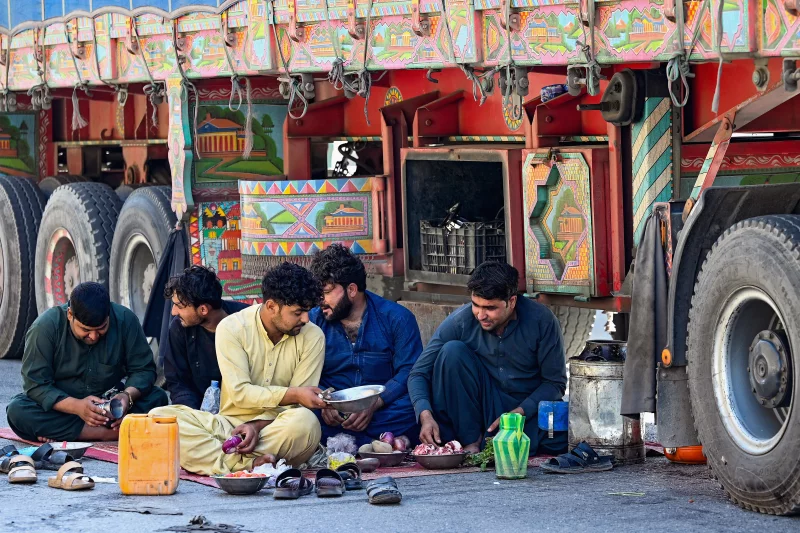
For months, cargo trucks loaded with cement, food, and essential goods have remained immobilized along the Pakistan-Afghanistan frontier, turning a once-busy commercial artery into a line of idle vehicles and anxious drivers. The shutdown of major crossings, including the strategically vital Torkham route, has frozen daily trade flows that previously sustained thousands of families and connected regional markets across Central and South Asia. What was initially expected to be a short-lived security measure has evolved into one of the longest border disruptions in decades, with no clear timeline for resolution.
A Trade Corridor at a Standstill
The Pakistan-Afghanistan border stretches more than 1,600 miles, cutting through remote terrain but serving as a lifeline for bilateral commerce. Under normal conditions, hundreds of trucks move daily through regulated crossings overseen by agencies linked to the Pakistan Ministry of Commerce. The current closure, however, has halted not only bilateral trade but also transit shipments destined for Central Asian markets.
Drivers stranded near border towns have been forced into makeshift routines, surviving on dwindling savings while goods deteriorate inside parked trucks. Cement hardens, perishable food expires, and temperature-sensitive cargo faces spoilage. For exporters and importers alike, the interruption has broken supply contracts and undermined trust built over years of cross-border business.
Businesses Search for Costly Alternatives
With traditional routes blocked, traders in cities such as Peshawar have scrambled to identify alternative corridors through China or Iran. These options are complex, expensive, and often unreliable due to regulatory uncertainty and geopolitical constraints. Regional business groups, including the Khyber Chamber of Commerce and Industry, warn that prolonged reliance on indirect routes could permanently shift trade patterns away from Pakistan and Afghanistan.
Losses have mounted rapidly. Damaged inventory, canceled orders, and unpaid wages have pushed many long-established firms to the brink. Individual traders report losses reaching hundreds of thousands of dollars, while aggregate damage to the private sector is estimated to be far higher. The inability to move goods has also affected shipments stuck at major logistics hubs such as the Port of Karachi, where containers bound for Afghanistan and beyond remain stranded.
Regional Ripple Effects and Rising Pressure
The impact of the closures extends beyond traders and transporters. Afghanistan, which relies heavily on imports for food, fuel, and medicine, has experienced rising prices for basic goods. Disruptions have also complicated export flows of Afghan agricultural products and raw materials, intensifying pressure on an already fragile economy overseen by institutions such as the Afghanistan Ministry of Commerce and Industry.
Pharmaceutical trade has been particularly affected, as regulatory disputes and blocked transit have interrupted the flow of critical medicines. Markets on both sides of the border report shrinking supplies and declining sales, with patients facing growing difficulty accessing essential treatments. As diplomatic tensions persist, business leaders warn that prolonged closures risk transforming a security dispute into a long-term economic fracture that will be difficult to repair.