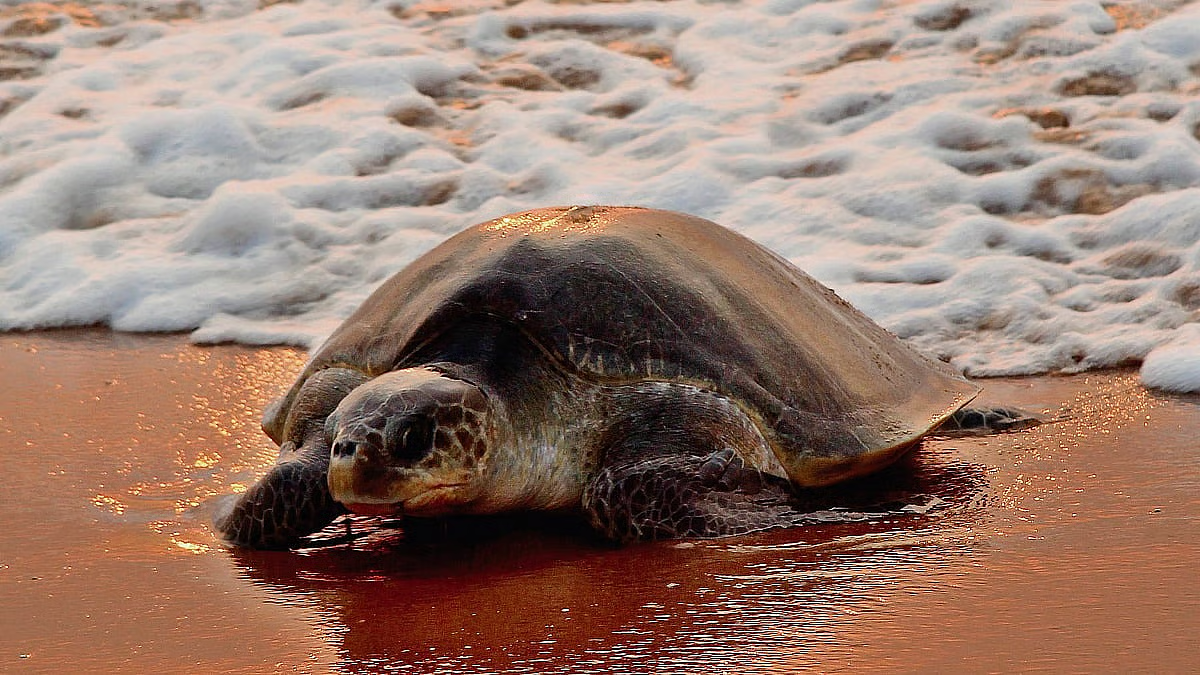
Community-Led Conservation Helps Protect Vulnerable Nesting Beaches
Along the western coast of India, the Velas Turtle Festival has evolved into a major conservation initiative where volunteers safeguard nesting sites and guide hatchlings safely toward the ocean. Visitors gather at dawn to witness newly hatched turtles make their instinctive journey to the sea, a fragile race often threatened by predators and human activity. Volunteers relocate eggs from natural nests into protected hatcheries to shield them from dogs, birds and other animals, following strict protocols that improve hatching success rates. The program has inspired many travelers who discover the event while exploring nature-focused content online or while planning eco-friendly trips through resources such as India Tourism or WWF India, which highlight conservation challenges and community efforts across the country.
The delicate crawl from nest to ocean remains a dangerous moment for hatchlings, yet supervised releases help reduce immediate predation on the beach. Even so, survival rates at sea remain extremely low, with only an estimated one in every 1,000 hatchlings reaching adulthood. Despite this, the increased protection of nests and improved monitoring across coastal states are contributing to a population resurgence.
Rising Numbers Point to a National Conservation Success Story
Two decades ago, experts feared that India’s olive ridley population was on the verge of collapse. Excessive bycatch in fishing nets, targeted hunting for meat and leather, and widespread egg poaching created severe pressure on these migratory turtles. Conservation leaders warned that without strict protection measures, nesting numbers could plummet beyond recovery. Those concerns were backed by data showing only about 100,000 nests nationwide in the early 2000s.
In recent years, however, large-scale protective measures have fueled a dramatic recovery. Seasonal fishing bans, designated coastal sanctuaries, and community-run monitoring programs across India have rebuilt confidence in the species’ future. During the most recent nesting season, conservation teams reported approximately one million nests—an unprecedented figure that demonstrates the impact of long-term environmental policy and public engagement. Educational organizations, including National Geographic Kids, have featured olive ridleys to raise awareness among younger generations, helping turn marine conservation into a broader cultural movement.
Eco-Tourism, Local Traditions and the Future of India’s Olive Ridleys
At Velas, the festival’s success has created jobs tied to environmental stewardship. Local coordinators invest time and resources in keeping the beach clean, addressing waste concerns from growing tourism. While visitors bring economic benefits, they also pose ecological pressure, prompting organizers to emphasize sustainable practices and responsible travel. Many travelers preparing for eco-tourism activities rely on resources like Lonely Planet India to identify conservation-friendly destinations and guidelines for reducing their environmental footprint.
The shift toward protection marks a generational change for coastal communities. Older residents recall a time when turtle eggs were collected for cooking, a practice now replaced by environmental education and local enforcement. The rediscovery of eggs in the early 2000s sparked renewed interest in the species and led community leaders to advocate for construction bans near nesting sites. This protection supports the olive ridleys’ unique arribada behavior—synchronized mass nesting events in which thousands of turtles return to the same beach to lay eggs. These events are crucial for species survival and remain a central focus of conservation work in regions such as Odisha and Maharashtra.
India’s growing commitment to marine protection places olive ridleys at the heart of national conservation strategy, reinforcing the role of coastal communities, environmental organizations, and responsible tourism. Additional information about global turtle conservation efforts can be explored through initiatives featured on Ocean Conservancy, which provide insights into broader marine protection challenges and collaborative strategies worldwide.