Scientists exploring Earth’s most remote ecosystems continue to uncover previously unknown life forms at a pace that underscores how much of the planet remains scientifically undocumented. In 2025, researchers identified multiple new species across marine, terrestrial, and high-altitude environments, expanding scientific understanding of biodiversity, ecosystem dynamics, and long-term environmental change. These discoveries, ranging from fossil records to living organisms in extreme habitats, provide valuable data for conservation planning and climate research.
Ancient marine mammals and climate-linked ecosystems
One of the most significant findings of 2025 comes from the Persian Gulf, where fossil remains revealed a previously unknown species of ancient sea cow. The extinct marine mammal, named Salwasiren qatarensis, lived more than $21,000,000 years ago and played a critical role in shaping coastal ecosystems. By grazing on seagrass meadows, this species acted as an ecosystem engineer, redistributing nutrients and supporting marine biodiversity.
Seagrass ecosystems are now recognized for their capacity to store large amounts of carbon, making them an important natural tool in climate regulation. The fossil discovery strengthens scientific evidence that marine mammals contributed to ecosystem stability over geological timescales. Institutions such as the Smithsonian National Museum of Natural History continue to support research into fossil marine mammals and their environmental significance through open scientific databases and collections available at https://naturalhistory.si.edu.
The seagrass meadows associated with the discovery extend across multiple national coastlines, reinforcing the role of cross-border conservation efforts. International protection frameworks, including UNESCO World Heritage programs, play a growing role in preserving ecosystems with both natural and scientific value, as outlined at https://www.unesco.org.
High-altitude mammals and hidden mountain biodiversity
In the Andes Mountains of Peru, field research in high-elevation forests led to the identification of a new marsupial species, Marmosa chachapoya. Found in rugged terrain that is difficult to access, the species highlights how mountainous regions continue to harbor undocumented biodiversity. Morphological differences combined with DNA analysis confirmed that the animal was distinct from previously known mouse opossums.
High-altitude ecosystems face increasing pressure from climate change, deforestation, and land-use shifts. Scientists emphasize that many species may disappear before they are formally identified, limiting the ability to assess ecosystem health or implement protection measures. Biodiversity monitoring initiatives supported by global conservation organizations such as the International Union for Conservation of Nature provide frameworks for assessing species vulnerability and extinction risk at https://www.iucn.org.
The discovery also reinforces the importance of protected areas, where limited human disturbance allows scientists to document species that would otherwise remain unknown. Continued biological surveys in underexplored regions are increasingly viewed as essential for understanding how climate change reshapes ecosystems at different elevations.
New life forms in forests and the deep ocean
Beyond mountains and fossil records, 2025 also brought discoveries in forested river systems and the deep sea. In Northern California, genetic analysis confirmed a previously unknown spider species belonging to an entirely new genus. The finding revealed unexpectedly high genetic diversity within habitats that appear visually uniform, challenging assumptions about species distribution in temperate ecosystems.
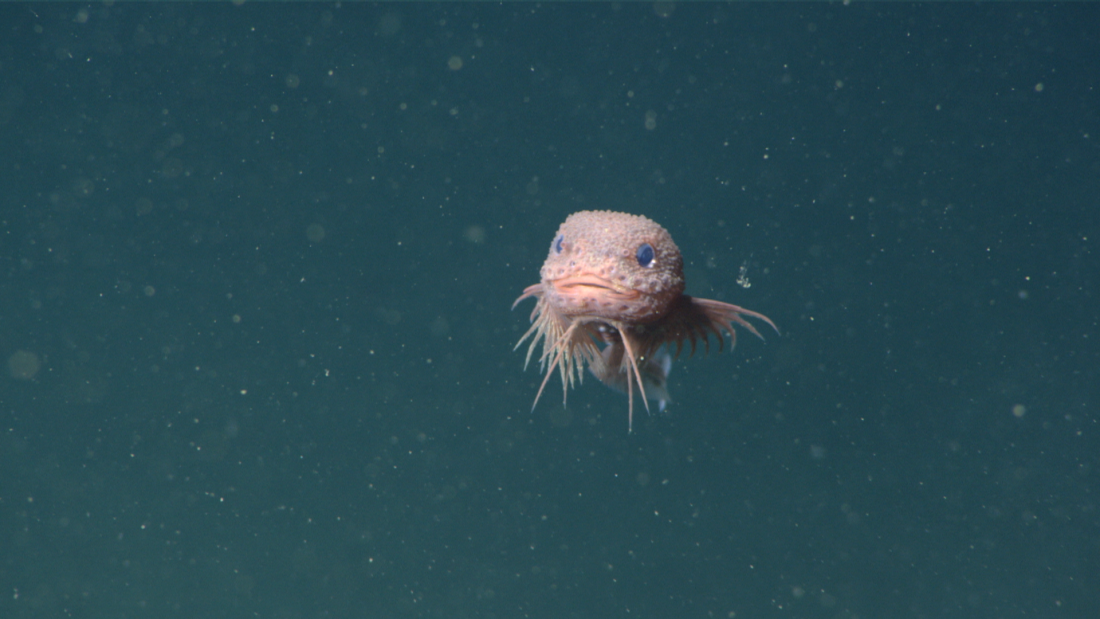
Meanwhile, deep-sea exploration nearly $11,000 feet below the ocean surface documented a new species of snailfish, captured during robotic submersible missions. Deep-sea environments remain among the least explored ecosystems on Earth, despite their role in carbon storage and global nutrient cycles. Research institutions like the Monterey Bay Aquarium Research Institute continue to advance deep-ocean science through technology-driven exploration and publicly accessible research programs at https://www.mbari.org.
Additional discoveries in East Africa identified new species of live-birthing toads, an evolutionary trait that challenges traditional understanding of amphibian reproduction. Genetic sequencing of museum specimens played a key role in distinguishing these species, demonstrating how historical collections can unlock new scientific insights decades after their initial collection.
Together, the new species discovered in 2025 illustrate how advances in genetic analysis, field exploration, and international collaboration are accelerating biodiversity research. As scientists continue to document life across extreme and understudied environments, these findings reinforce the urgency of conservation efforts aimed at protecting ecosystems that remain only partially understood.