Scientists continue to document the growing threat of plastic pollution, but new evidence indicates that marine animals need to ingest only a minimal amount of debris to suffer fatal consequences. The study demonstrates that the scale of danger is far greater than previously understood, as even small pieces of plastic can lead to digestive obstruction, internal injuries, and organ failure. This insight comes at a time when global oceans receive the equivalent of 2,000 full garbage trucks of plastic waste every single day, creating an increasingly hazardous environment for marine life that already faces pressures from climate change, habitat degradation, and overfishing.
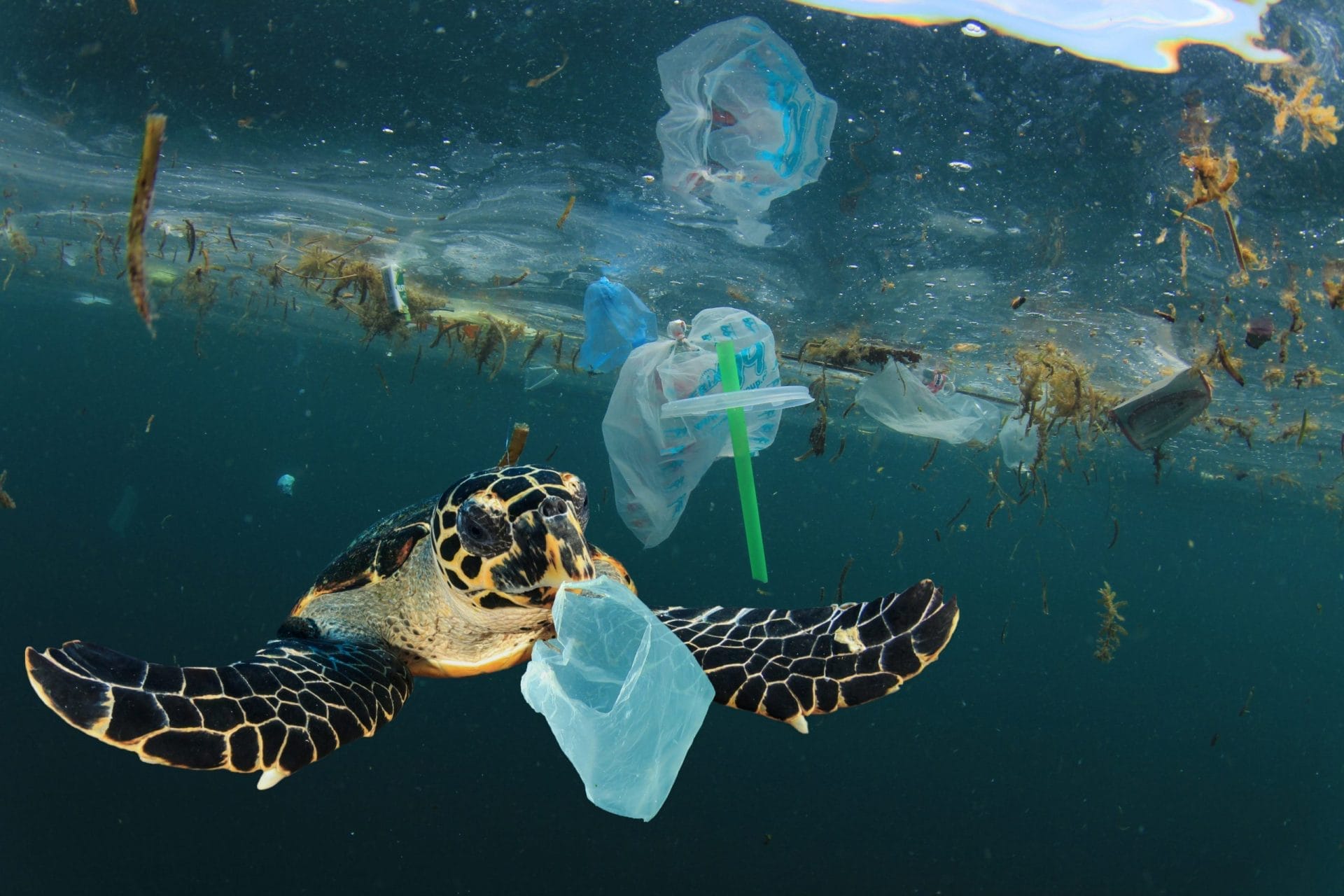
Researchers examined data from more than 10,000 deceased animals to understand precisely how plastic ingestion contributes to mortality. Their findings reveal that for many species, the lethal dose is shockingly small. For instance, less than three sugar-cube-sized pieces of plastic can kill an Atlantic puffin, while a quantity roughly equivalent to two baseballs can be fatal for a sea turtle. Larger marine species are not exempt from danger; dolphins and seals can die from ingesting the same volume of plastic as a soccer ball. These quantities, while physically small compared to the size of the animals, create obstructions and internal trauma that their bodies cannot survive.
The database reviewed by researchers included extreme cases that illustrate how plastic interacts with marine digestive systems. One albatross was discovered with an entire plastic bottle lodged in its tract, while a sperm whale died after swallowing a bucket that broke apart internally, causing a complete gut obstruction. These findings highlight the diversity of plastic shapes and densities entering the ocean—a concern amplified by the fact that current research has not yet fully quantified the risks posed by microplastics, which are microscopic and now present even in trenches several miles below the ocean surface.
To expand the discussion beyond ingestion, researchers emphasize that entanglement remains another severe threat. Plastic that wraps around fins, beaks, or necks often leads to long-term injury, infection, or drowning. Though the study centered specifically on macroplastics—items visible to the naked eye—it contributes to an understanding of how broader categories of waste, including abandoned fishing nets, consumer packaging, and industrial fragments, interact with marine ecosystems. These materials persist for decades, which complicates conservation efforts and increases the likelihood of interaction between plastic debris and marine animals.
Why Marine Animals Mistake Plastic for Food
Many marine animals ingest plastic because it resembles their natural prey in shape, movement, or texture. Sea turtles, for example, frequently confuse drifting grocery bags for jellyfish, a core component of their diet. The visual similarity under water makes it difficult for them to distinguish the two, resulting in accidental ingestion. In the deep ocean, whales rely heavily on echolocation, yet studies show that the acoustic signatures of some plastic objects mimic those of squid or other prey. This causes whales to misinterpret the echoes and swallow items that their sonar systems cannot properly differentiate.
The ocean environment amplifies this confusion. Sunlight breaks plastic into irregular shapes while algae and microorganisms grow on the surface, making pieces appear more natural. The scent released by these biofouled plastics can mimic the smell of food, further deceiving animals. Research across multiple regions demonstrates that nearly every type of marine organism—from seabirds to large mammals—has been impacted. Conservation organizations explain this dynamic using accessible educational tools; for instance, detailed wildlife information is available through resources like https://www.worldwildlife.org, which offers explanations of how pollution alters behaviors in marine ecosystems.
As animals continue to mistake plastic for prey, ingestion becomes an increasingly unavoidable hazard. Scientists warn that if production of disposable items remains unchanged, the likelihood of fatal encounters will rise. Education initiatives now encourage communities and schools to learn more about ocean protection measures through platforms such as https://oceanconservancy.org, where visitors can explore programs dedicated to reducing waste and supporting habitat restoration across global waters.
Global Data Highlights Widespread Vulnerability Across Species
The international database compiled for this research includes seabirds, turtles, dolphins, seals, and large whales. Across all species, the studies show that plastic ingestion is not limited to specific regions or habits; rather, it is a global phenomenon affecting animals in tropical waters, polar seas, and open-ocean migratory routes. Many animals that wash ashore with plastic inside their bodies originate from distant feeding grounds, which demonstrates how floating debris can travel across entire ocean basins.
Environmental organizations stress that the scale of the crisis requires comprehensive solutions. The growing presence of plastic in marine food webs underscores the need for reduction strategies that address consumer culture and manufacturing practices. Public institutions often encourage sustainable lifestyle changes through guides such as https://www.epa.gov, which provides information on waste reduction, recycling standards, and environmental health frameworks. Researchers hope that such resources can support informed decision-making and inspire broader participation in conservation efforts.
Another concern involves the long-term accumulation of plastic toxins within the bodies of marine animals. Plastic pieces often contain chemical additives that can leach into tissues, potentially affecting reproduction, growth, and immune function. Although the current study concentrated on the physical obstruction caused by macroplastics, scientists emphasize that chemical exposure is a parallel risk that requires further research. Academic institutions and marine laboratories offer additional insights into these ongoing investigations, and platforms like https://www.noaa.gov include accessible reporting on ocean health indicators and marine wildlife studies.
International Policy Advocates Call for Urgent Reduction of Plastic Production
Experts and conservation leaders argue that reducing plastic pollution requires global cooperation. Many organizations now advocate for policies limiting the production of single-use plastics such as soda bottles, food packaging, and thin-film bags, which are among the most frequently documented items in marine autopsies. These products often break into sharp fragments that remain in the environment for decades, increasing the likelihood that animals will ingest them.
Researchers stress that policy interventions must extend beyond waste management to include manufacturing, economic incentives, and product design. For example, extended producer responsibility programs can obligate companies to manage the lifecycle of their products, ensuring proper collection and recycling. Educational campaigns and citizen science initiatives contribute to public awareness, reinforcing the idea that individual actions—like reducing plastic consumption or participating in local cleanups—can meaningfully support ocean health.
Organizations dedicated to marine preservation continue to publish updated recommendations on their websites, including globally recognized conservation centers and national research agencies. These efforts highlight the interconnectedness of marine ecosystems and the ways in which human behavior directly influences the survival of marine species. By amplifying scientific findings and encouraging collective engagement, policymakers, researchers, and advocacy groups aim to protect vulnerable wildlife and restore the health of the world’s oceans.