Democrats Engage in Costly Primary Battle
The race for a key U.S. Senate seat in Maine is rapidly intensifying as two leading Democratic contenders invest millions of dollars in a competitive and increasingly contentious primary. The contest centers on efforts to unseat incumbent Republican Senator Susan Collins, a longtime figure in national politics seeking another term.
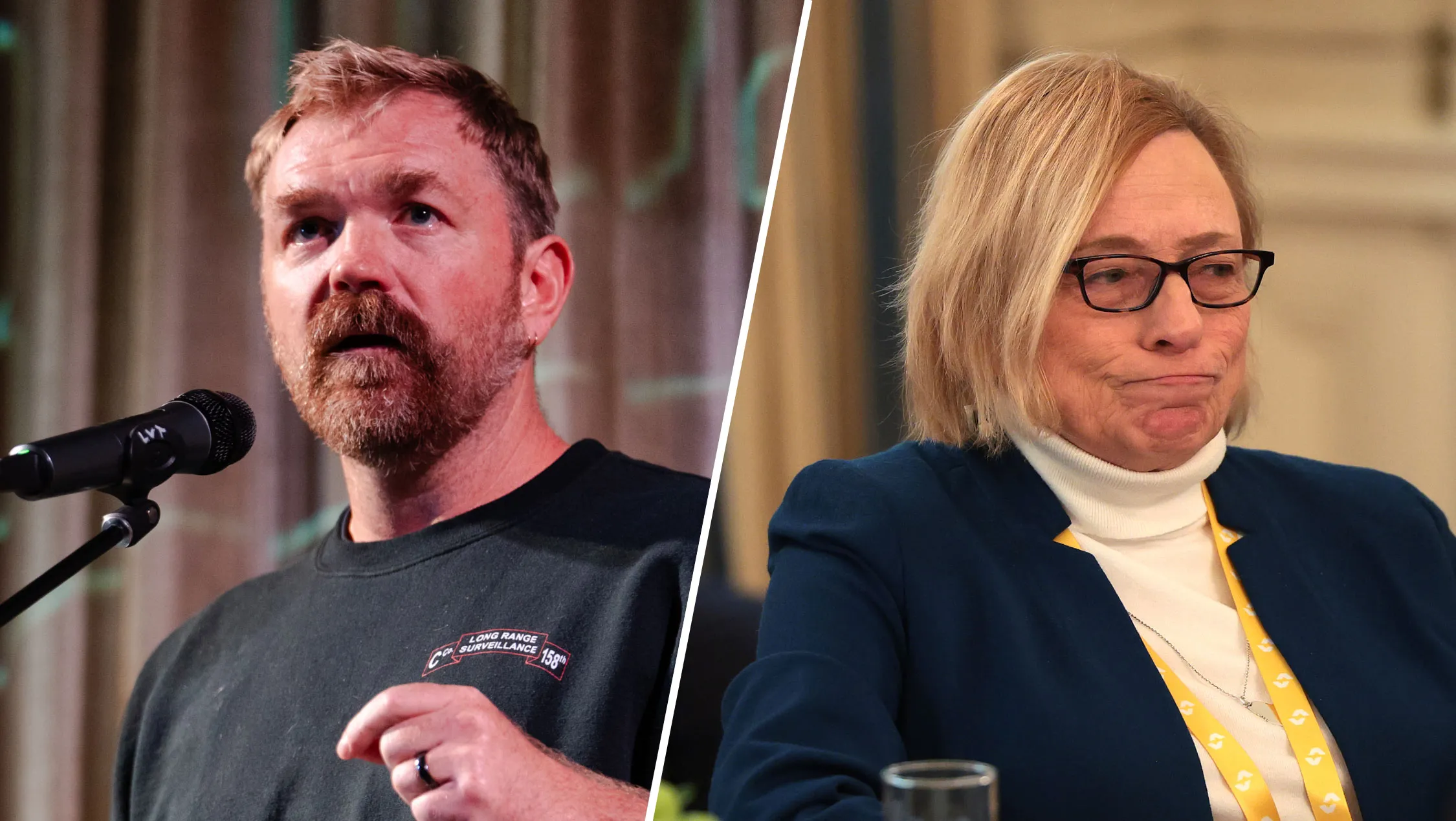
The Democratic primary has evolved into a high-profile clash between Governor Janet Mills and political newcomer Graham Platner. Both candidates are working to position themselves as the strongest challenger to Collins, while also appealing to different factions within the Democratic Party.
Campaign spending has surged as the primary approaches, with Platner investing approximately $4.2 million in advertising compared to Mills’ $1.16 million. According to federal filings, Platner has also outraised Mills by nearly three-to-one, highlighting the financial intensity of the race. Insights into U.S. campaign finance trends can be explored through the Federal Election Commission, which tracks political spending nationwide.
Party Divisions Shape the Race
The primary reflects deeper divisions within the Democratic Party. Mills, a two-term governor with statewide electoral success, has received backing from prominent party leaders such as Chuck Schumer, who views her as a viable candidate to defeat Collins in a general election.
In contrast, Platner has built momentum as an outsider candidate, gaining support from progressive figures including Bernie Sanders. His campaign has focused on appealing to voters dissatisfied with traditional party leadership, emphasizing economic concerns and political reform.
The contest has also been marked by sharp exchanges between the candidates. Mills has highlighted past controversial statements made by Platner, while Platner has responded by acknowledging his past remarks and emphasizing personal growth. These dynamics have shifted the campaign’s focus away from policy debates and toward candidate character and electability.
Additional analysis on electoral trends and voter behavior can be found through institutions like the Brookings Institution, which examines political dynamics across U.S. elections.
Collins Benefits as Outside Spending Surges
While Democrats compete in a costly internal battle, Collins has maintained a relatively restrained spending strategy. Her campaign has spent approximately $240,000 so far, significantly less than her potential challengers. However, outside groups supporting her reelection have invested heavily, contributing more than $10 million in advertising efforts.
One of the most prominent organizations backing Collins is One Nation, which has deployed a wide range of campaign tactics, including television ads, digital outreach, and direct messaging campaigns. These efforts largely focus on Collins’ track record of securing federal funding and delivering resources to Maine.
The broader political environment suggests that control of the Senate could hinge on competitive races like this one. Analysts note that prolonged and expensive primaries can sometimes weaken candidates ahead of general elections, particularly if divisions within the party persist.
For now, the Maine Senate race illustrates the complex interplay between campaign financing, party unity, and voter sentiment. As the primary election approaches, both Democratic candidates face the challenge of consolidating support while preparing for a general election that is expected to draw national attention and significant financial investment.