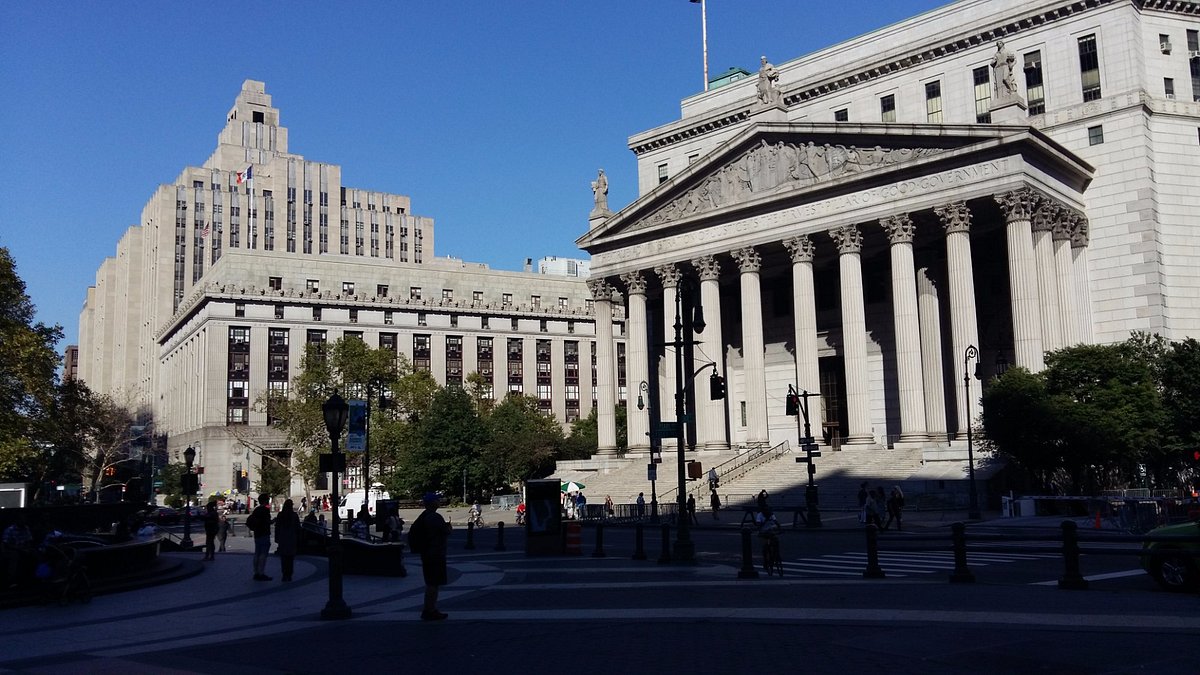
Venezuelan President Nicolás Maduro made his first appearance in a U.S. federal court in Manhattan on Monday, marking a historic development in international law enforcement and criminal justice. Maduro, who was apprehended in a surprise operation by U.S. forces in Caracas early Saturday morning, stood before U.S. District Judge Alvin K. Hellerstein as prosecutors outlined the federal criminal charges he now faces. The courtroom proceeding, held at the federal courthouse in Manhattan, drew intense global attention as Maduro confronts allegations that include narco-terrorism conspiracy, cocaine importation conspiracy, and a range of other federal offenses.
Maduro’s Courtroom Appearance and Allegations
President Maduro arrived at the federal courthouse just before noon, accompanied by defense counsel, and remained composed as his charges were read. The indictment alleges that Maduro and several of his closest associates, including his wife Cilia Flores, played central roles in a decades-long scheme to traffic cocaine into the United States and launder millions of dollars in illicit proceeds. According to prosecutors, the conspiracy involved coordination with government officials and criminal networks to move narcotics across international borders and distribute them in U.S. markets. This legal action represents one of the most significant criminal cases ever brought against a sitting head of state by the United States.
The federal charges date back to a 2020 indictment issued during the Trump administration, which accused Maduro of orchestrating an extensive criminal enterprise. Maduro has long denied the accusations, dismissing them as politically motivated and lacking credible evidence. Nonetheless, the charges were expanded in a superseding indictment released by the U.S. Department of Justice on Saturday, encompassing additional alleged offenses related to narco-terrorism and smuggling operations.
International Reaction and Legal Implications
The unfolding case has triggered widespread diplomatic commentary and scrutiny from governments, international organizations, and civil rights advocates. Legal experts have highlighted the constitutional and international law questions surrounding the prosecution of a foreign head of state in U.S. courts, noting precedents such as the U.S. prosecution of war criminals and extradition cases involving transnational crimes. Meanwhile, countries in Latin America and overseas are closely observing how this high-profile case will impact diplomatic relations, trade negotiations, and global law enforcement cooperation.
For context on U.S. federal prosecution procedures and narcotics enforcement policy, refer to the U.S. Department of Justice overview of federal criminal cases (https://www.justice.gov/criminal), DEA drug trafficking legislation and initiatives (https://www.dea.gov/priority-cases), and insights into international extradition agreements(https://travel.state.gov/content/travel/en/legal-considerations/judicial-exchange/extradition.html). Understanding the broader landscape of U.S. legal authority can clarify how such significant prosecutions are pursued.
Charges Against Cilia Flores and Other Officials
In addition to Maduro’s extensive list of charges, his wife Cilia Flores was also apprehended by U.S. forces and now faces her own federal criminal accusations, including conspiracy to import cocaine into the United States. Prosecutors have alleged that Flores worked in concert with Maduro and other Venezuelan officials to facilitate the trafficking operations and manage the logistics of illicit shipments. The superseding indictment reportedly details multiple years of surveillance and evidence collection by U.S. law enforcement, as agents tracked financial transactions, communications, and movements tied to the alleged criminal enterprise.
Observers note that the presence of multiple defendants, including high-ranking government officials, raises complex legal defense strategies and may prolong pre-trial motions. For additional context on federal conspiracy charges and trial proceedings, see the Federal Judicial Center’s guide to criminal procedure (https://www.fjc.gov/) and explanations of federal conspiracy statutes found on the Legal Information Institute at Cornell Law School(https://www.law.cornell.edu/wex/conspiracy). As the case progresses, legal analysts will closely monitor hearings, evidentiary rulings, and potential plea negotiations that could shape the ultimate outcome.