Justice Department Signals Extended Timeline for Epstein Records Disclosure
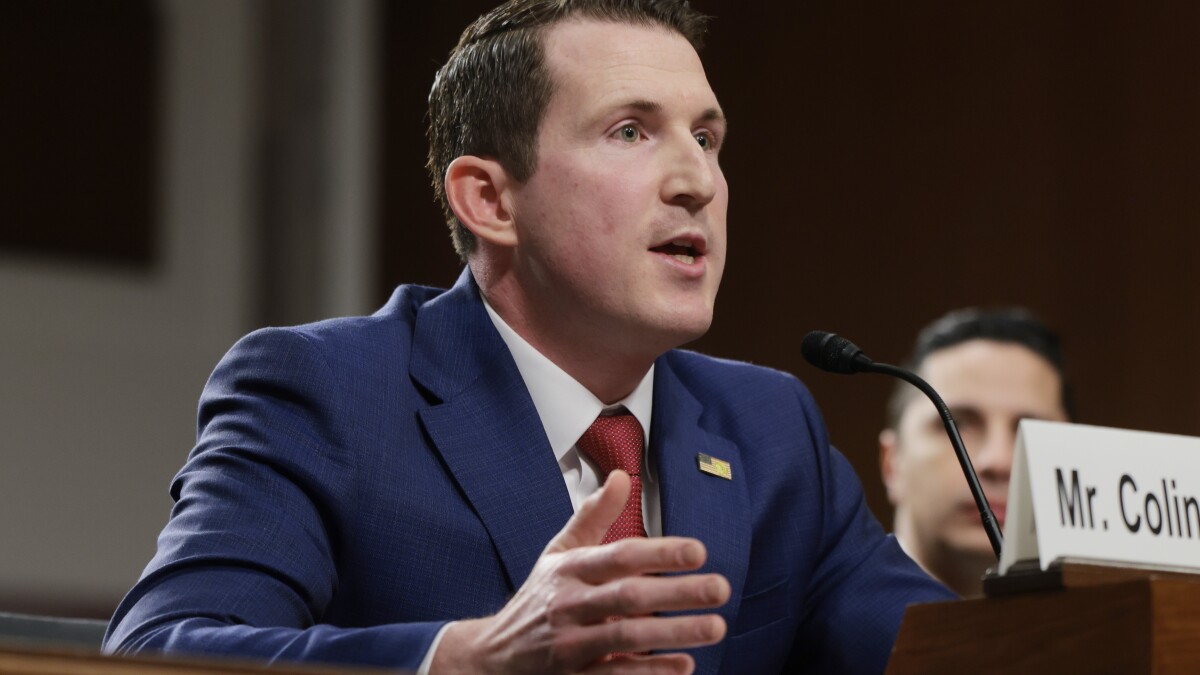
A senior Justice Department official confirmed that the complete public release of records related to Jeffrey Epstein will not be finalized by the legally established deadline, despite the imminent disclosure of a substantial volume of material. The announcement underscores the scale and complexity of the records involved, as well as the ongoing legal and procedural considerations surrounding their publication.
According to the official, the department expects to release several hundred thousand documents in the initial phase, with additional batches following over the coming weeks. The materials are part of a broader transparency mandate requiring the disclosure of unclassified investigative records connected to Epstein and his associate Ghislaine Maxwell, whose case remains a focal point of public scrutiny. Information concerning federal investigative procedures can be found through the U.S. Department of Justice at https://www.justice.gov.
The volume of material is significant, encompassing digital files and physical evidence totaling more than 300 gigabytes. These records span years of investigations and include communications, financial documentation, and internal memoranda generated by multiple federal entities. Some materials, particularly those involving victims who were minors at the time of abuse, will remain withheld due to legal protections and privacy considerations consistent with federal law.
Scope of the Epstein Files and Legal Boundaries of Disclosure
The law governing the release of the Epstein files mandates that records not be withheld solely to avoid embarrassment, reputational damage, or political consequences for individuals named in the documents. This provision reflects bipartisan intent to ensure transparency regarding individuals and entities linked to Epstein’s trafficking and financial networks.
At the same time, the statute allows limited redactions for classified national security matters, foreign policy concerns, and materials that could jeopardize active investigations or ongoing prosecutions. These exemptions have introduced interpretive challenges, particularly given the breadth of Epstein’s alleged connections across corporate, nonprofit, academic, and governmental institutions.
Federal agencies involved in managing investigative records, including the Federal Bureau of Investigation, play a central role in determining how materials are reviewed and prepared for release. The FBI’s record-handling procedures and disclosure obligations are outlined publicly at https://www.fbi.gov. The agency maintains custody of a substantial portion of the evidence, which includes sensitive imagery and testimony that cannot be made public under existing victim protection statutes.
Congressional Scrutiny and Political Tensions Intensify
The delayed release has drawn heightened attention from lawmakers, with members of Congress emphasizing the importance of full compliance with the law. Several legislators have argued that the absence of specific names or references in early disclosures would raise questions about whether all responsive documents have been produced.
The statute also requires the attorney general to submit a detailed report to both chambers of Congress identifying categories of records released and withheld, summarizing redactions, and listing government officials or politically exposed persons referenced in the disclosed materials. Congressional oversight mechanisms, including those operated through the U.S. House of Representatives, remain central to monitoring compliance, as outlined at https://www.house.gov.
Despite the statutory deadline, the law does not include an explicit enforcement mechanism or penalties for missed timelines, limiting immediate legal remedies. However, bipartisan pressure has mounted, with lawmakers warning that prolonged delays could trigger further legislative or judicial action.
Broader Implications for Transparency and Accountability
The ongoing disclosure process has broader implications for public trust in federal institutions and their handling of high-profile criminal cases. The Epstein investigation has long been viewed as a test case for transparency, particularly regarding prosecutorial decisions and the treatment of influential individuals.
The Justice Department’s handling of the files will likely influence future debates over government transparency laws and the balance between public accountability and legal safeguards. Information on federal transparency standards and record disclosure obligations is available through the National Archives at https://www.archives.gov.
As additional document releases are expected in the coming weeks, attention will remain focused on whether the disclosures provide substantive clarity about Epstein’s network, financial operations, and interactions with public and private institutions. The process continues to unfold under intense legal, political, and public scrutiny, with long-term consequences for how similar cases are managed in the future.