Japan Signals a Major Turning Point in Its Nuclear Energy Policy
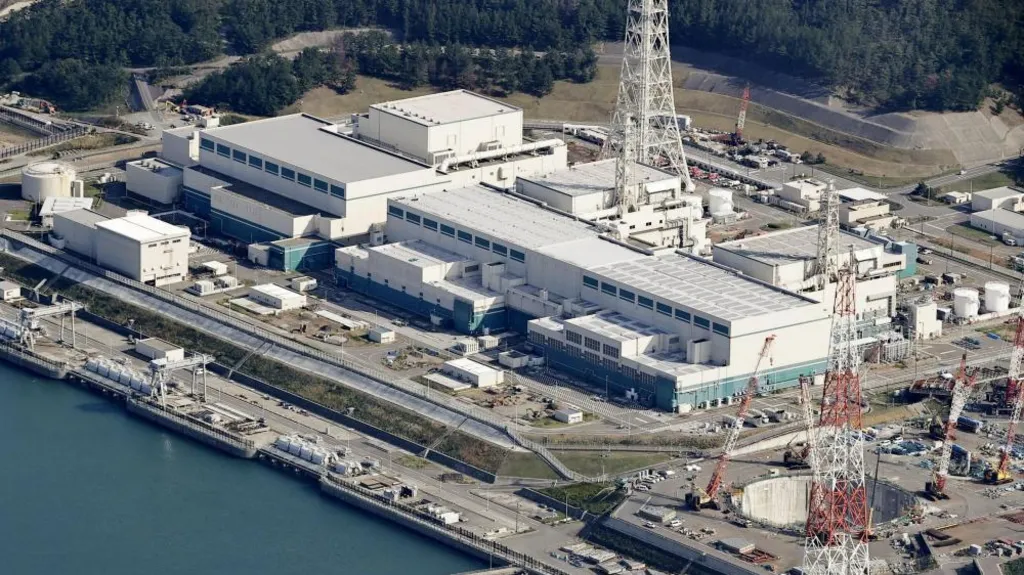
Japan is taking significant steps toward restarting the Kashiwazaki-Kariwa nuclear power plant, the largest nuclear facility in the world. It is a symbol of the country’s evolving energy strategy after the Fukushima disaster. The governor of Niigata, Hideyo Hanazumi, announced his support for resuming operations at the plant. This marks the first major political endorsement since the reactors were shut down in 2011. This development emerges at a moment when Japan is working to balance energy stability, emissions reduction, and public safety concerns. As the debate intensifies, energy policy analysts have drawn parallels with the country’s long-term climate objectives. Additionally, they discuss the broader push toward sustainability, a topic explored by organizations such as the International Energy Agency, which tracks global shifts in low-carbon energy transitions.
The proposed restart focuses first on Reactor No. 6, followed by Reactor No. 7. Both are critical components of the facility operated by Tokyo Electric Power Company (Tepco). The company has long argued that bringing these reactors back online is essential to its financial recovery. Tepco has ongoing obligations, including compensation and decommissioning responsibilities linked to Fukushima. Japan’s renewed interest in nuclear energy also aligns with its national commitment to achieving net-zero emissions, a goal reinforced by direct references on Japan’s Ministry of Economy, Trade and Industry website, where the government outlines its strategies to reduce dependence on imported fossil fuels.
Local Approval and Regulatory Steps Still Ahead
Although Governor Hanazumi expressed his support for the partial restart, the process remains subject to the approval of Niigata’s prefectural assembly and Japan’s nuclear safety regulator. These steps ensure that the reactors meet stringent post-Fukushima safety standards. These standards are designed to prevent the failures caused by the 9.0-magnitude earthquake and subsequent tsunami that devastated northern Japan in 2011. Public opinion continues to play a central role in shaping the process. Nearly 70% of Niigata residents, according to a recent survey, have expressed concerns about Tepco managing the plant. Despite a nearly even split on whether reactors should restart, concerns remain.
The complexities of Japan’s regulatory landscape have been documented by multiple global research institutions that track nuclear policy and safety frameworks. For example, the World Nuclear Association (https://www.world-nuclear.org) notes that many of Japan’s reactors have undergone extensive modernization following the nationwide shutdown that began in 2011. So far, fourteen reactors across the country have restarted operations under revised guidelines. This indicates Japan’s cautious but deliberate approach to nuclear reactivation.
Economic Pressures and Japan’s Long-Term Strategy for Energy Security
The push to restart the Kashiwazaki-Kariwa plant reflects both economic necessity and strategic planning. Tepco continues to face substantial financial obligations, including multi-billion-dollar compensation payments. Also included are the ongoing costs of decommissioning the Fukushima Daiichi facility. Reviving nuclear energy production would help offset Japan’s high dependence on imported natural gas and oil. This reliance has strained the nation’s energy budget in recent years. Analysts tracking global commodity trends, reflected in resources provided by Investing.com, have highlighted Japan’s sensitivity to global price fluctuations for fossil fuels. This reinforces the economic rationale behind restoring nuclear capacity.
For Japan’s central government, the restart represents more than a regional decision. It is a strategic effort to stabilize the country’s energy supply while advancing carbon neutrality commitments. The move demonstrates a broader shift toward reconsidering nuclear power as a viable long-term solution. This is especially relevant as global energy markets become more volatile. Nations are seeking more resilient structures for domestic power generation.
The outcome of this process will be watched closely by policymakers, global energy markets, environmental groups, and regional residents. Japan is determining whether the world’s largest nuclear power plant will once again play a pivotal role in its national energy future.