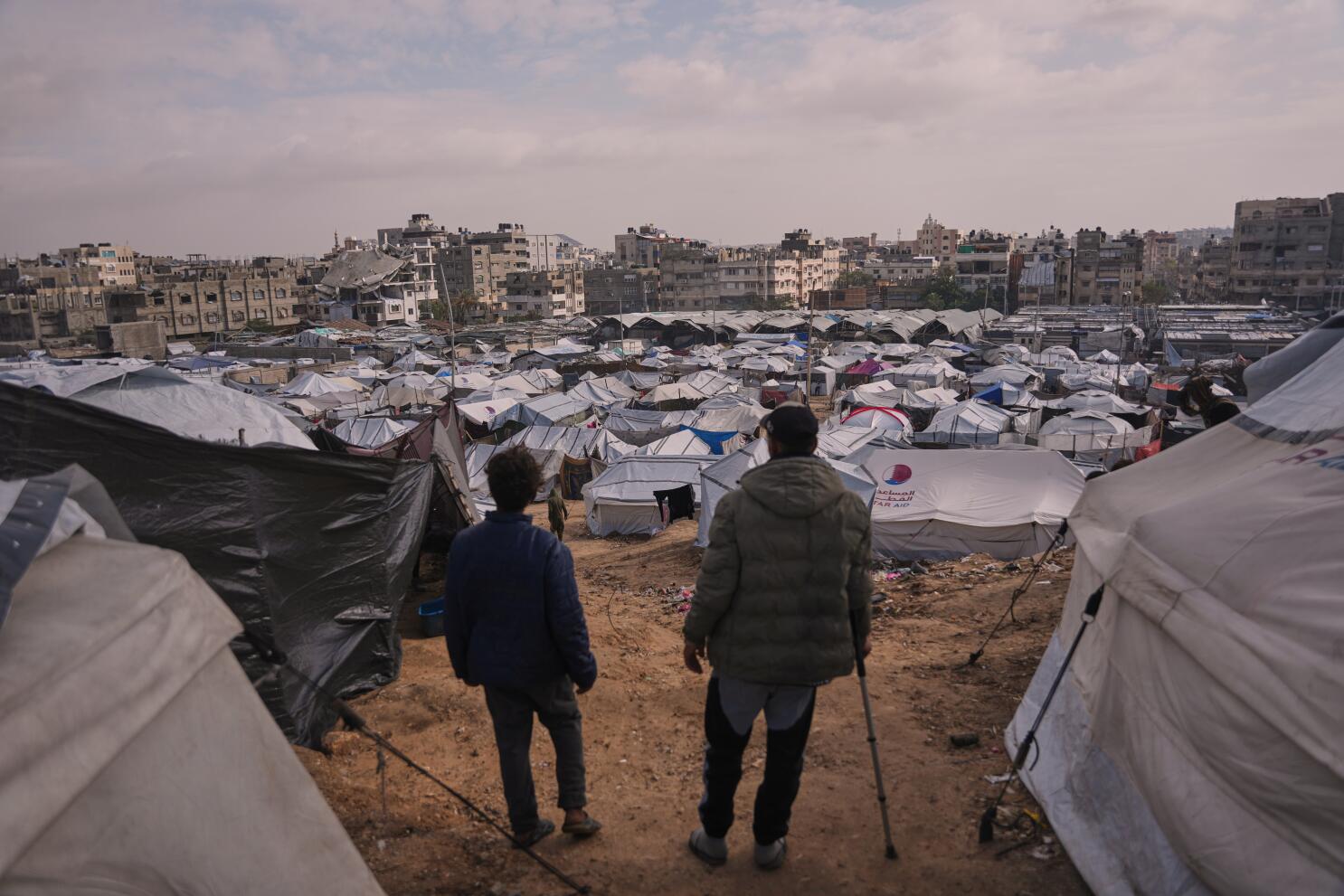
Israel’s decision to suspend the operating permits of more than two dozen humanitarian organizations marks a significant shift in how aid will be delivered to Gaza. This occurs at a time of acute humanitarian need. The new measures, which take effect at the start of the year, introduce stricter oversight requirements for international groups working in the territory. This fundamentally alters long-standing humanitarian access frameworks. The policy affects organizations providing medical care, food distribution, shelter, and psychosocial support. It impacts a population of more than 2,000,000 people living amid widespread destruction and displacement.
The Israeli government argues that the revised regulations are designed to prevent the misuse of humanitarian infrastructure by militant groups. However, aid organizations warn that the rules may cripple already fragile relief operations and increase risks to local staff. The decision has already sent shockwaves through the global humanitarian sector. Operational budgets, staffing models, and emergency response timelines are now under pressure.
New Oversight Rules and Operational Impact
Under the revised framework, humanitarian organizations are required to submit detailed disclosures covering staff identities, funding sources, and operational structures. Groups that failed to meet these requirements saw their permits suspended. This forced the closure of offices in Israel and East Jerusalem, blocking the entry of international staff and supplies into Gaza. For organizations dependent on cross-border coordination, the administrative freeze represents a major logistical barrier.
Humanitarian groups argue that sharing sensitive staff data raises serious safety and legal concerns. This is particularly relevant given the conflict environment. According to humanitarian policy guidelines outlined by organizations such as https://www.icrc.org, neutrality and independence are core principles. These principles are meant to protect aid workers from being perceived as parties to a conflict. Critics of the new rules say the policy undermines those protections and exposes local employees to heightened risk.
Financial implications are also significant. Emergency medical operations in Gaza can cost more than $1,000,000 per month per organization. Meanwhile, large-scale food distribution programs often exceed $10,000,000 annually. Any disruption in these systems risks compounding food insecurity, healthcare shortages, and displacement challenges across the territory.
Aid Access, Security Claims, and International Pushback
Israeli officials maintain that humanitarian assistance will continue through organizations that complied with the new requirements. They assert that suspended groups represent a small fraction of total aid volume. Defense authorities argue that the measures are necessary to prevent exploitation of aid channels. They aim to ensure that resources reach civilians rather than armed actors.
Humanitarian organizations counter that aid volume alone does not reflect effectiveness. Medical NGOs, in particular, emphasize that specialized care such as trauma surgery, neonatal treatment, and mental health services cannot be easily replaced. Global medical groups operating under standards similar to those promoted by https://www.who.int warn that interruptions in care can lead to long-term public health consequences, including disease outbreaks and preventable deaths.
Diplomatic pressure is also mounting. European governments and international coalitions have expressed concern that the new framework may violate humanitarian norms. They argue it could complicate ceasefire stabilization efforts. Aid coordination networks argue that reduced access increases regional instability. In turn, it places additional financial burdens on neighboring states and international donors.
Long-Term Consequences for Humanitarian Aid in Gaza
The suspension of major aid groups could reshape humanitarian engagement in Gaza well beyond the current conflict phase. Analysts suggest that smaller local organizations may struggle to absorb the workload left behind. Meanwhile, international donors may hesitate to commit funds without clear operational guarantees. Large-scale humanitarian responses often rely on pooled funding mechanisms exceeding $100,000,000 annually. This is coordinated through global relief systems such as those supported by https://www.unocha.org.
Humanitarian leaders warn that the loss of international staff will place overwhelming pressure on local workers, many of whom are already operating under extreme conditions. Data from aid worker safety monitoring initiatives show that conflict zones with restricted international presence often experience higher casualty rates among local staff.
As Gaza’s humanitarian needs continue to grow, the standoff between aid organizations and Israeli authorities raises broader questions. These concern the future of humanitarian access in conflict zones. Whether alternative oversight mechanisms or negotiated frameworks emerge in the coming months will determine how aid is delivered. Also, who delivers it and how effectively civilian populations can be protected during prolonged crises.